
A six-degree-of-freedom quasi-zero-stiffness vibration isolation device, its debugging method, and vibration isolation method
A technology of quasi-zero stiffness and debugging method, applied in the direction of shock absorber, spring/shock absorber functional characteristics, shock absorber, etc. The debugging is cumbersome and other problems, to achieve the effect of compact structure, improved bearing capacity, and simple debugging process
Patent Information
- Authority / Receiving Office
- CN · China
- Patent Type
- Patents(China)
- Current Assignee / Owner
- Publication Date
- 2021-06-25
Smart Images
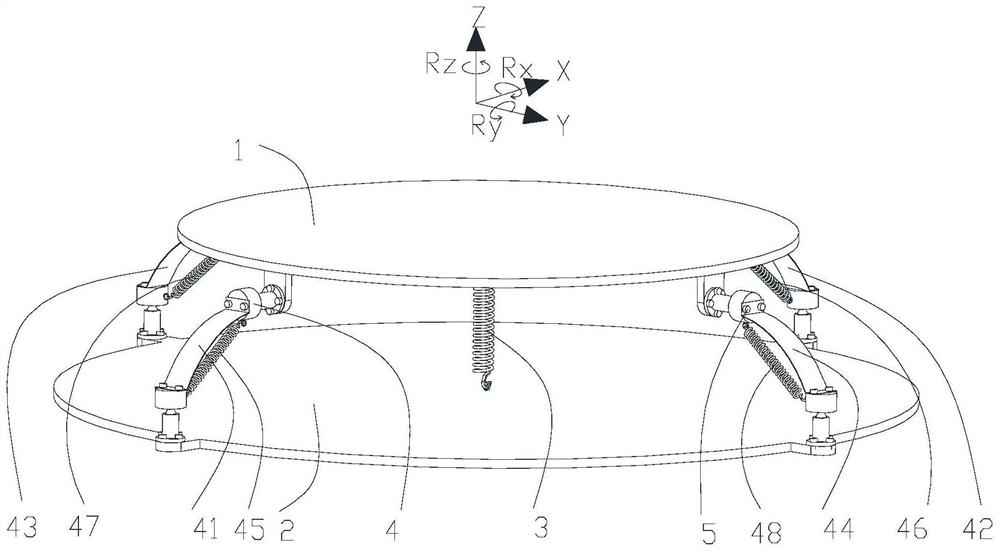
Figure 1 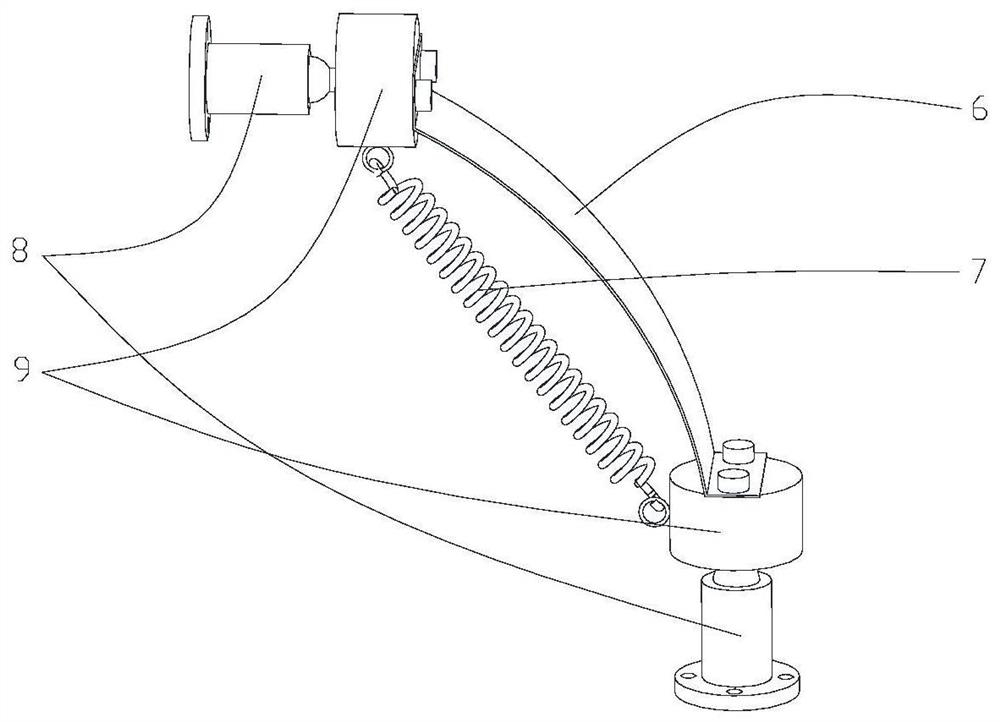
Figure 2 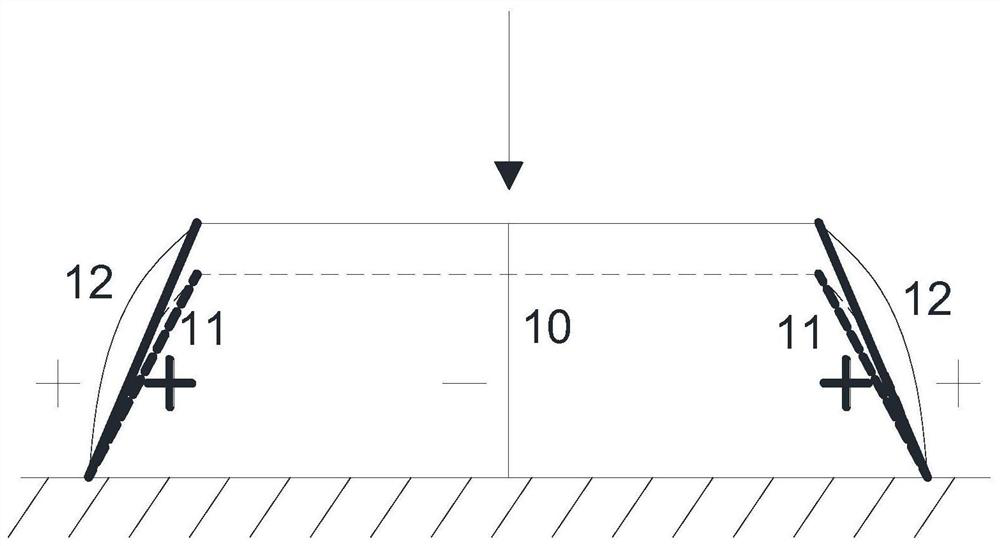
Figure 3
Abstract
Description
technical field
[0001] The invention belongs to the technical field of vibration isolation, and in particular relates to a six-degree-of-freedom quasi-zero-stiffness vibration isolation device, a debugging method thereof, and a vibration isolation method. Background technique
[0002] The vibration isolator is a device used to isolate the impact of external disturbance vibration on the normal working conditions, use accuracy and stability of the vibration-isolated equipment. It is mainly used in precision machine tools, sensitive instruments, automobiles and other occasions. Its key performance Parameters include vibration transmissibility, natural frequency, etc.
[0003] An ideal vibration isolator should have the characteristics of low vibration transmission rate, high static stiffness, light weight, and low natural frequency, which can increase the use range of the vibration-isolated equipment, effectively reduce the natural frequency of the system, and increase the vibr...
Examples
Embodiment Construction
[0037] In order to facilitate the understanding of the present invention, the present invention will be described in more detail below in conjunction with the accompanying drawings and specific embodiments. Preferred embodiments of the invention are shown in the accompanying drawings. However, the present invention can be implemented in many different forms and is not limited to the embodiments described in this specification. On the contrary, these embodiments are provided to make the understanding of the disclosure of the present invention more thorough and comprehensive.
[0038] One of the embodiments provided by the present invention is: a novel six-degree-of-freedom quasi-zero-stiffness vibration isolation device, the structure of which is as follows figure 1 As shown, it includes: a top plate 1, the edge of the top plate 1 is welded with four upper convex plates perpendicular to its top surface at equal intervals. Corresponding to the top plate 1, there is a bottom pl...