
Sliding element
a sliding element and sliding face technology, applied in the direction of engine seals, mechanical devices, engine components, etc., can solve the problems of inability to provide the fluid with significant pumping capability, inability to prevent fluid leakage, and damage to the seal capability, so as to improve the seal capability and reduce the friction coefficient of the sliding face.
Patent Information
- Authority / Receiving Office
- US · United States
- Patent Type
- Applications(United States)
- Current Assignee / Owner
- Publication Date
- 2005-09-29
- Estimated Expiration
- Not applicable · inactive patent
Smart Images
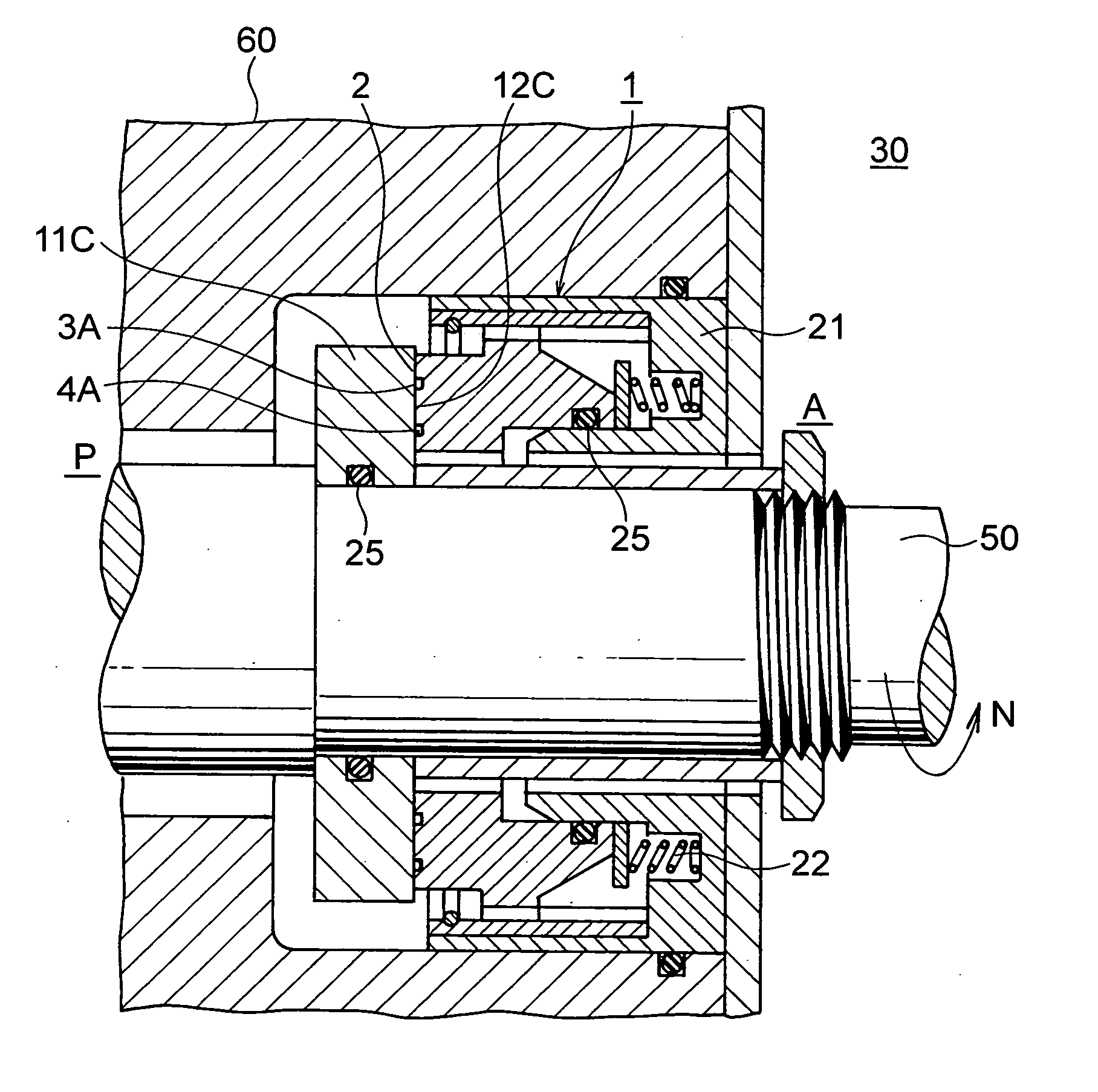
Figure 1 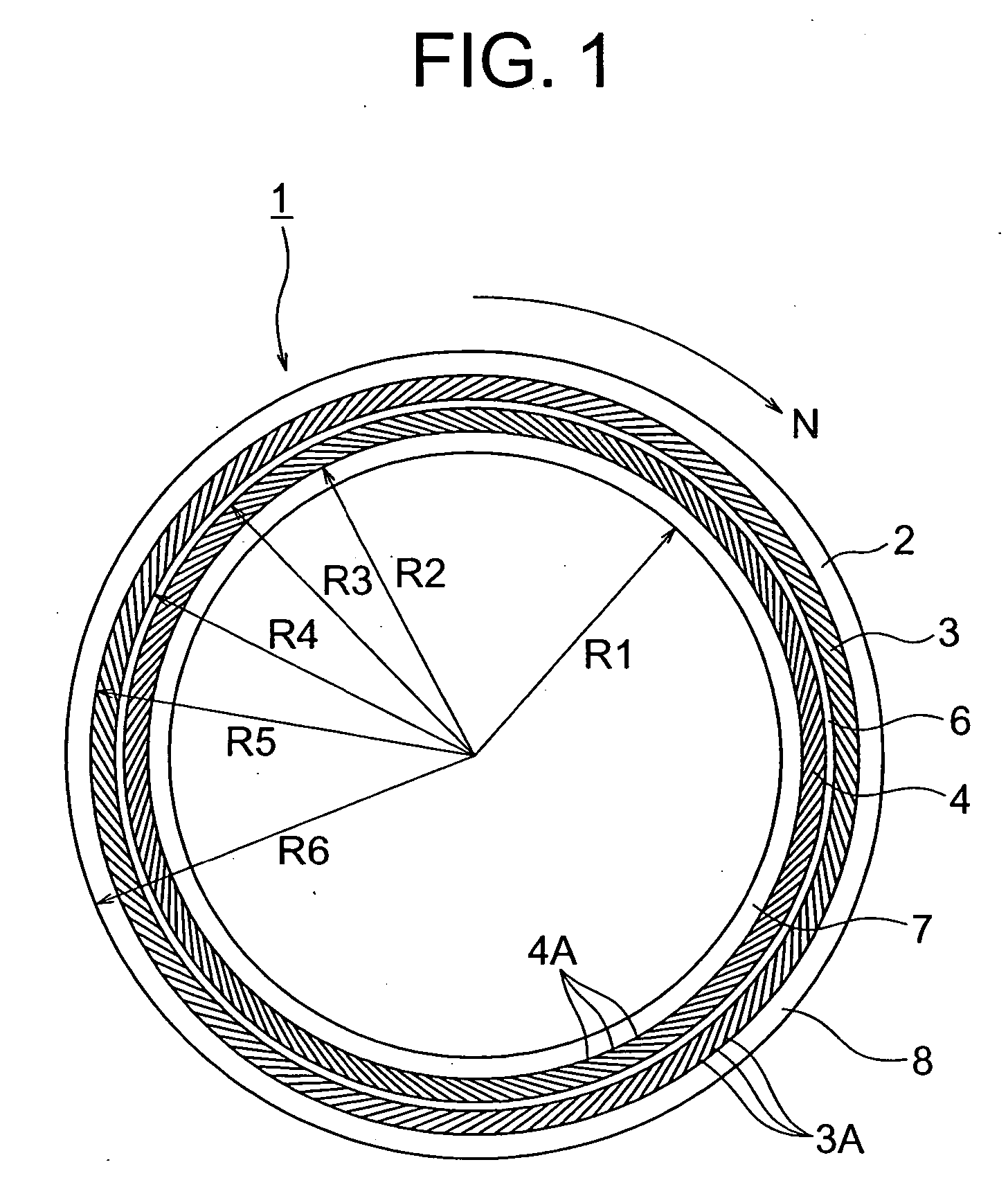
Figure 2 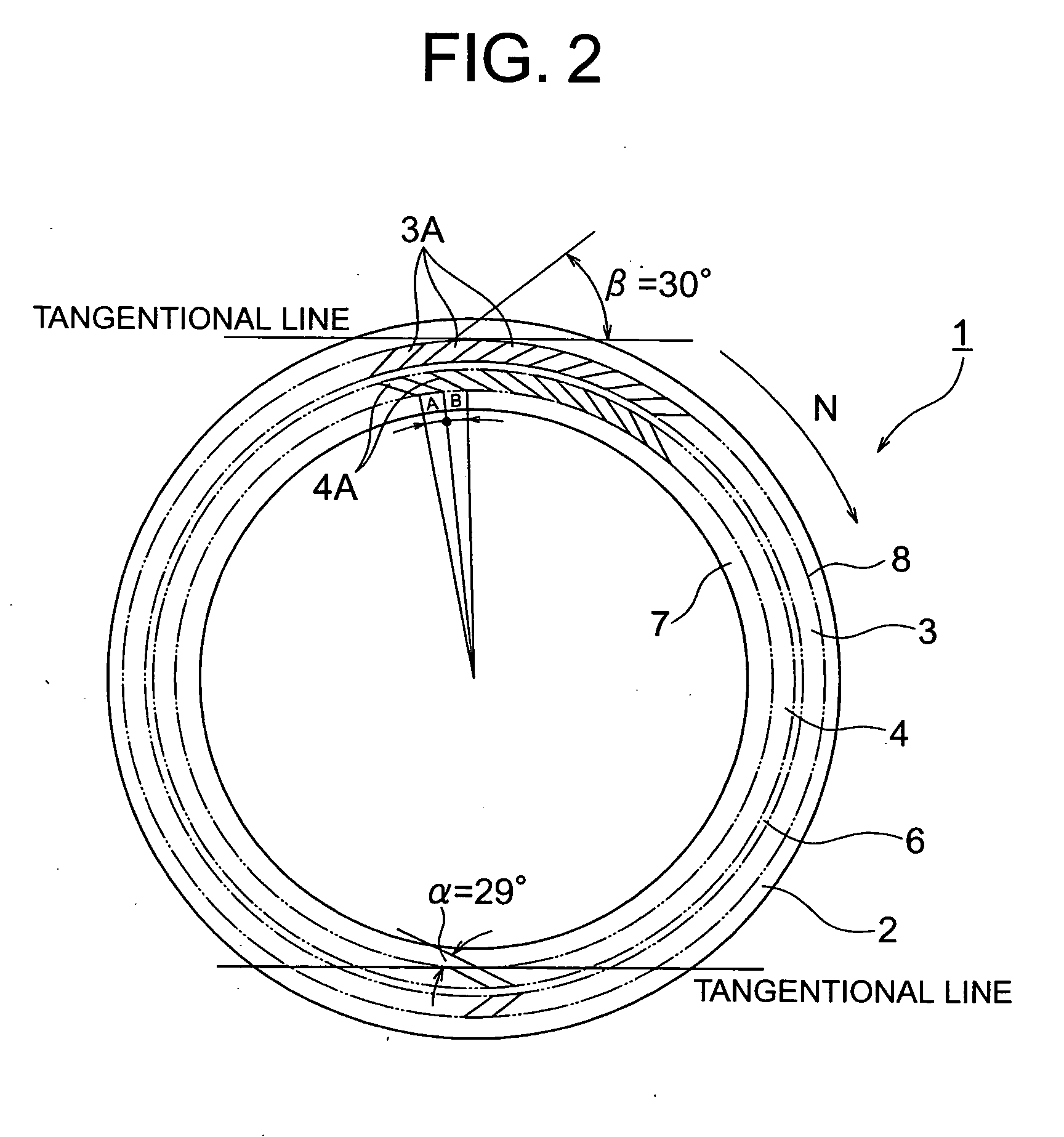
Figure 3
Abstract
Description
BACKGROUND OF THE INVENTION
[0001] 1. Field of the Invention
[0002] The present invention relates generally to a technical domain of a sliding element engaging a relative rotational motion. More particularly, the invention relates to a sliding element which reduces a friction coefficient on the sliding face and prevents a sealed fluid from leaking from the sliding face.
[0003] 2. Description of the Related Art
[0004] There has been an increasing demand for a variety of machines nowadays which involve a high-speed rotary shaft as well as a high-pressure fluid therein such as in a compressor or turbine engine. These machines are more likely to rely on sliding elements in sliding portions thereof. The sliding elements employed therein need to have sliding faces which are capable of not only effecting seal against the sealed fluid but also exhibiting durability against a high-speed rotary motion. Therefore, from the viewpoint of a bearing functionality, the sliding element needs to bear...
Examples
example 1
A. Examples of the Sliding Elements Related to the Present Invention.
[0082] 1) Rotary Sliding Elements 1 of the Present Invention are Shown in FIG. 6 through FIG. 17. Stated Earlier. [0083] (A) Example 1-A and example 1-B are referred to as example 1. [0084] (B) Example 2-A and example 2-B are referred to as example 2. [0085] (C) Example 3-A and example 3-B are referred to as example 3. [0086] (D) Example 4-A and example 4-B are referred to as example 4. [0087] (E) Example 5-A and example 5-B are referred to as example 5.
Experiments were conducted with the above sliding elements 1. An opposed stationary sliding element which comes into sealing contact with the above rotary sliding element 1 has a flat sliding face being made of silicon carbide (a pair of the sliding faces in contact should be referred to FIG. 18). Note that a form of the individual dimple sections 4A, 3A of the sliding face 2 is based on those given in FIG. 2, FIG. 3, FIG. 5.
[0088] 2) The Sliding Element 1 is T...