
A strain of Penicillium oxalicum that decomposes coal gangue
A technology of Penicillium oxalate and coal gangue, applied in the field of environmental biology, can solve problems such as increasing energy consumption and cost
Patent Information
- Authority / Receiving Office
- CN · China
- Patent Type
- Patents(China)
- Current Assignee / Owner
- Publication Date
- 2021-05-25
Smart Images
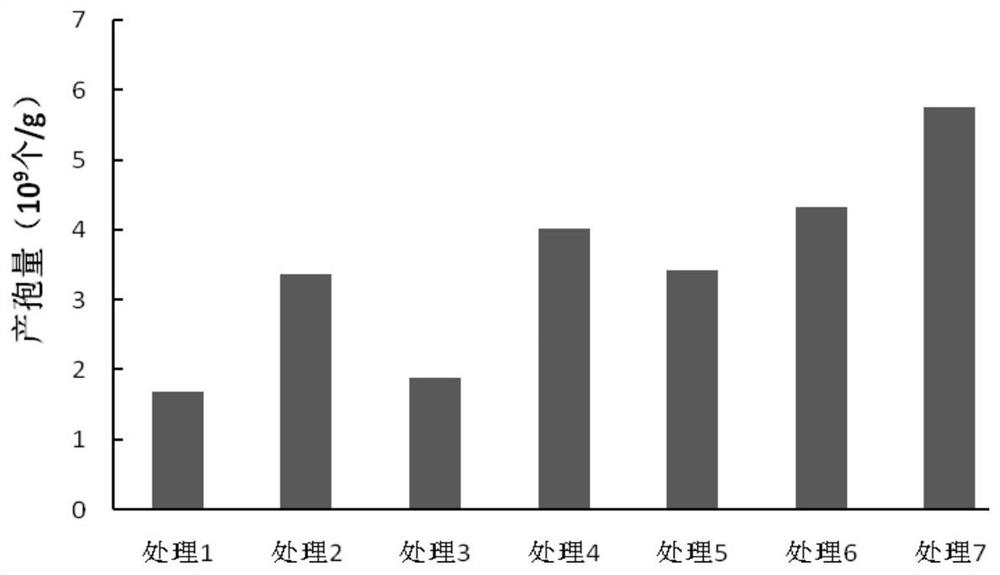
Figure 1 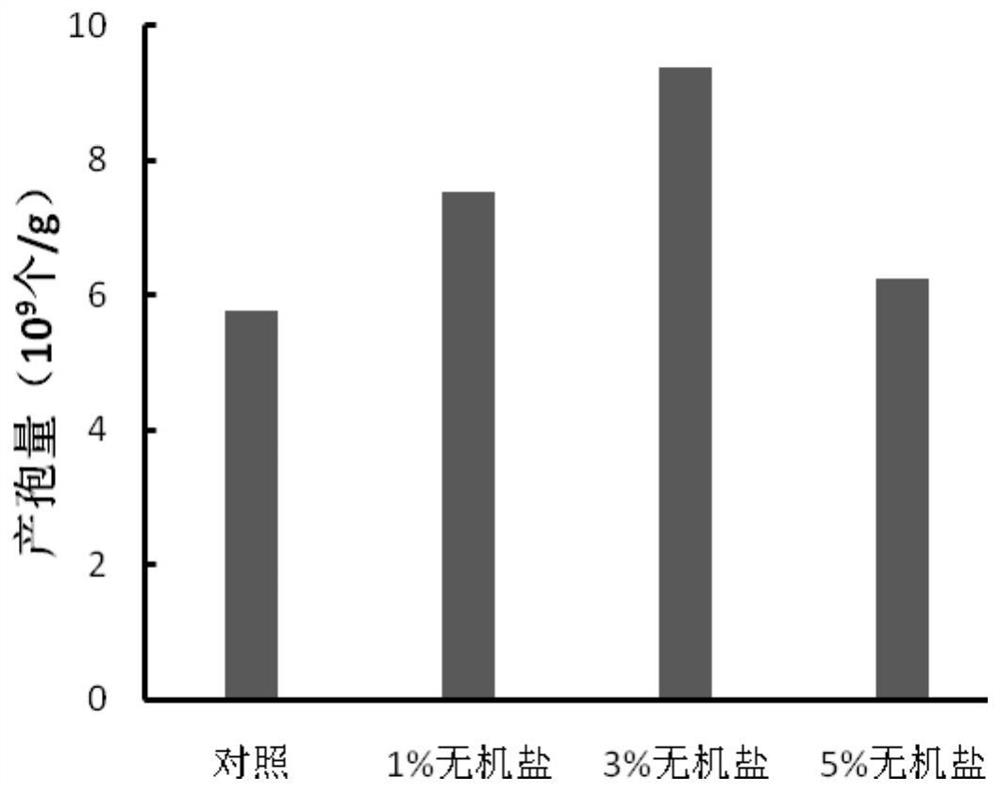
Figure 2 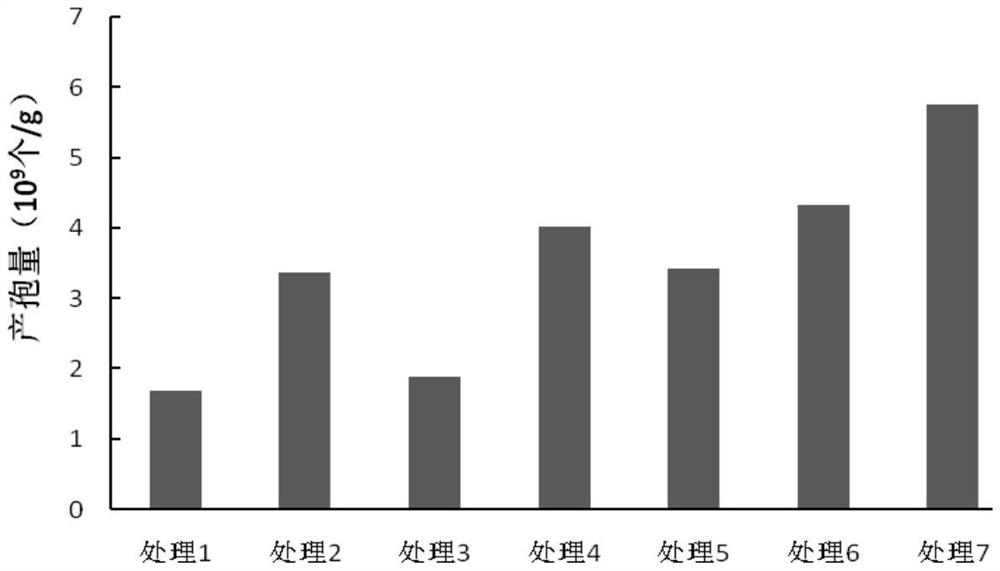
Figure 3
Abstract
Description
technical field
[0001] The invention belongs to the field of environmental biotechnology, and in particular relates to a strain of Penicillium oxalicum capable of enduring heavy metals, efficiently decomposing phosphorus and decomposing coal gangue.
[0002] technical background
[0003] Coal gangue is a kind of solid waste in the coal mining process, and its comprehensive discharge accounts for 10% to 15% of the raw coal output. It is one of the largest industrial and mining solid wastes in China. The massive stacking of coal gangue not only occupies a large amount of land resources, but also the acidic waste water produced by the coal gangue under the action of natural oxidation and wind and rain causes the release of toxic heavy metal elements such as lead, cadmium, chromium, etc. in the coal gangue to the surrounding environment, causing environmental pollution. At present, the main treatment method of coal gangue is landfill, and the resource utilization of coal gangue ...
Examples
Embodiment 1
[0020] Embodiment 1: Decompose the solid-state fermentation of gangue penicillium oxalic acid
[0021] Molds are generally more likely to produce a large number of spores in solid medium, and the large number of spores produced by Penicillium oxalicum will provide a large number of strains for subsequent application in coal gangue decomposition. Studies have shown that the difference in the composition of the solid-state medium has a greater impact on the amount of sporulation, so this example studies the composition of the solid-state fermentation medium for the strain of the present invention. Solid medium components include bran, soybean meal, corn meal, bran and soybean meal 1:2, bran and corn meal 1:2, soybean meal and corn meal 1:1, and bran, soybean meal Flour, corn flour 1:1:1, recorded as treatment 1-treatment 7, placed in a 500ml Erlenmeyer flask, the total weight of the solid medium in each Erlenmeyer flask was 20g, and the amount of distilled water added was 25% of...
Embodiment 2
[0026] Embodiment 2: the influence of temperature on Penicillium oxalicum dissolving insoluble phosphate
[0027]Select 5 temperature gradients, add calcium phosphate as insoluble phosphate, and make the following medium, and the medium formula is as follows: glucose 10.0g, (NH 4 ) 2 SO 4 0.5g, MgSO 4 ·7H 2 O 0.3g, NaCl 0.3g, KCl 0.3g, FeSO 4 0.03g, MnSO 4 ·H 2 O 0.03g, yeast powder 0.5g, Ca 3 (PO 4 ) 2 10g, distilled water l000ml, pH7.0. 50ml of every bottled liquid amount, add Penicillium oxalicum spore suspension (concentration is 1 * 10) by the amount of 5%. 7 / ml, the culture temperature is set to 20°C, 24°C, 28°C, 32°C, 36°C, the culture time is 5 days, the fermentation broth is centrifuged at 4°C, 10000r / min for 10min, and the fermentation broth is determined by molybdenum antimony colorimetric method The results are shown in Table 1. It can be seen from Table 1 that Penicillium oxalicum has different phosphorus-dissolving effects with different cultivatio...
Embodiment 3
[0030] Embodiment 3: the decomposition effect of Penicillium oxalic acid to coal gangue
[0031] The coal gangue is crushed through a 18-mesh sieve, and 50 g of the undersieve is weighed and placed in a 250 ml Erlenmeyer flask, and an equal amount of distilled water is added, and then the Penicillium oxalicum spore suspension (concentration is 1.28 × 10 7 / ml) was added to the above system at 1%, 2.5%, and 5%, and the treatment without bacterial suspension was used as a control, and cultured in a shaker at rpm 180 and a culture temperature of 28°C for 15 days, and the liquid was collected with filter paper After filtration, it was centrifuged at 8000g, and the supernatant was used for the determination of soluble phosphorus. The undecomposed coal gangue powder was collected and air-dried naturally, then weighed, and the decomposition rate of the strain on coal gangue was calculated by measuring the weight loss of the coal gangue. It can be seen from Table 2 that the addition o...