
Transparent conductive substrate
Patent Information
- Authority / Receiving Office
- US · United States
- Current Assignee / Owner
- Publication Date
- 2009-07-02
- Estimated Expiration
- Not applicable · inactive patent
Smart Images
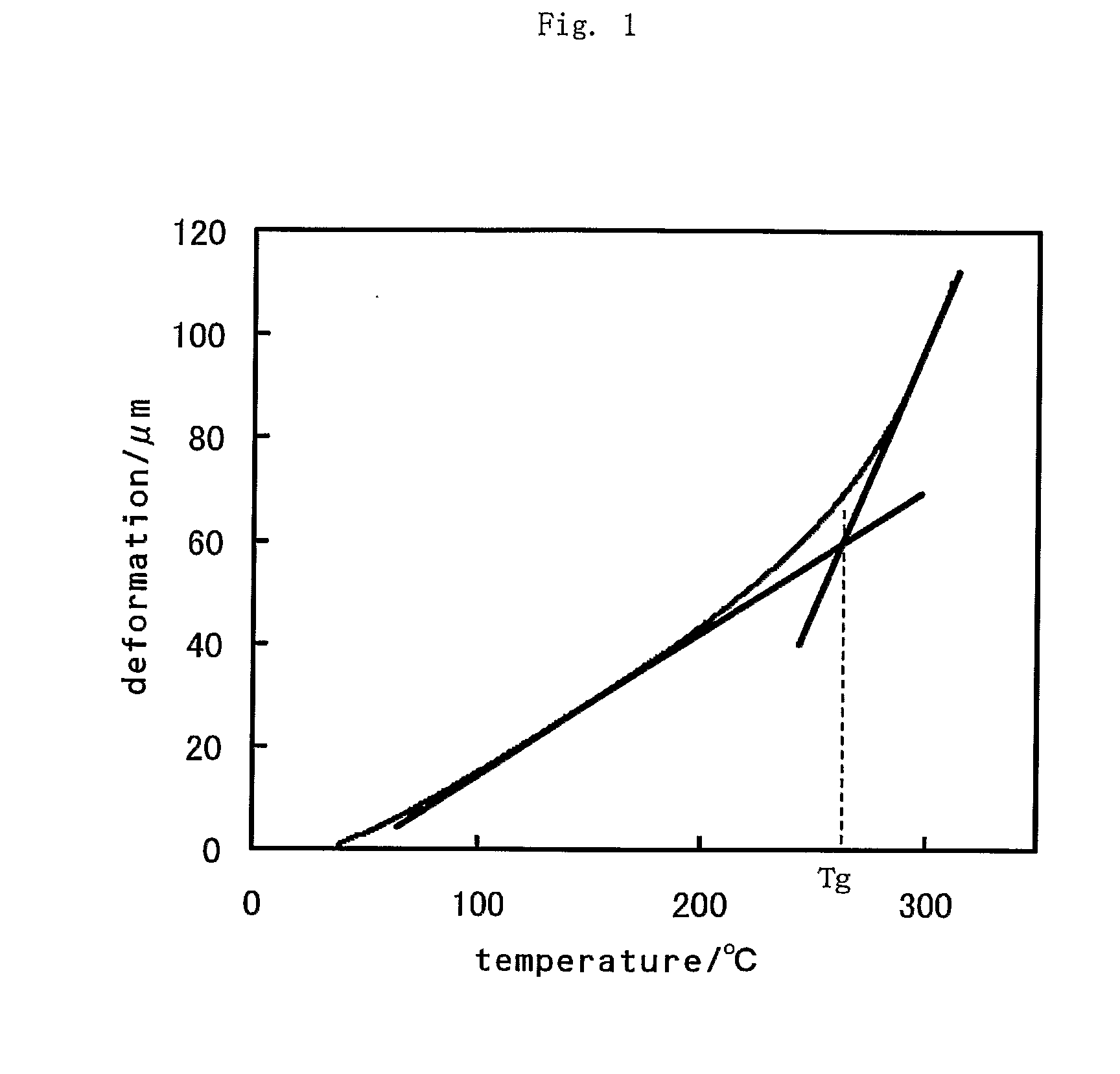
Figure 1 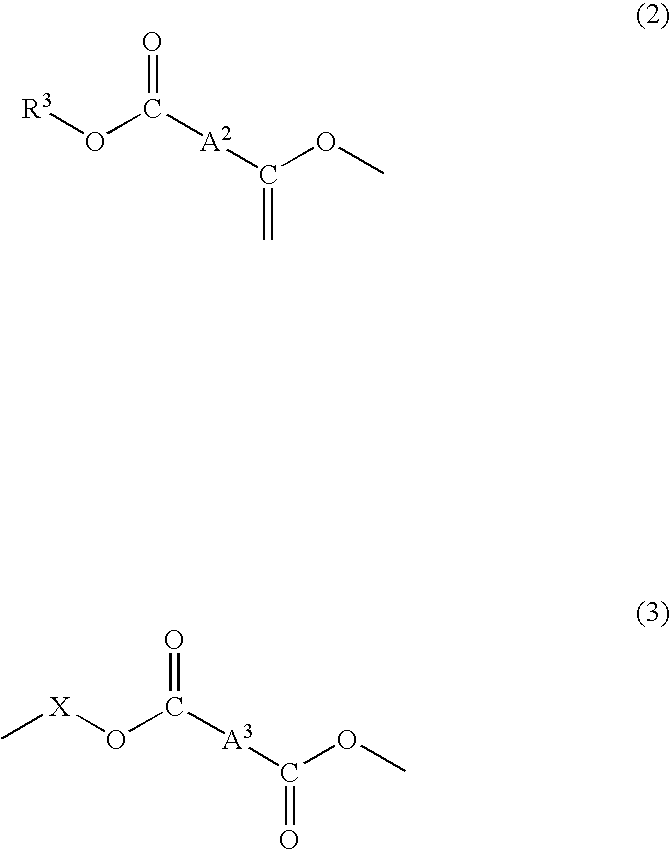
Figure 2 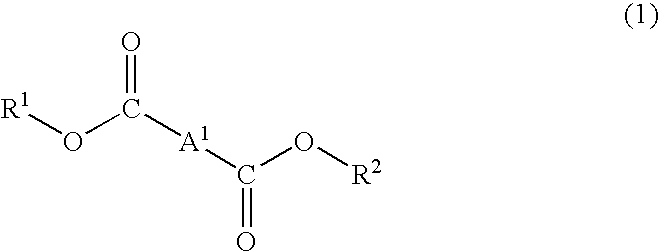
Figure 3
Abstract
Description
TECHNICAL FIELD
[0001] The present invention relates to a transparent conductive substrate using allyl ester resin as substrate. More specifically, the present invention relates to a transparent conductive substrate having excellent heat resistance and excellent transparency, which can be used as transparent electrode plates for touch panel and liquid crystal panel and as transparent conductive electrode plates for organic EL display device.BACKGROUND ART
[0002] Recently, in the field of display devices, there are demands for advanced technologies such as smaller thickness, lighter weight, larger area, various arbitrary shapes and curved display.
[0003] Especially, as for display devices used in portable apparatuses, there are strong demands for lighter weight and long durability. As use of portable apparatuses expands, display panels using plastic substrate in place of glass substrate have been studied and put into practical use in some cases.
[0004] However, as the display shifts to color...
Examples
synthesis example 1
[0092]In a 2 L-volume three-neck flask equipped with a distillation unit, 1625 g of diallyl terephthalate, 167 g of propylene glycol and 0.813 g of dibutyl tin oxide were placed. The mixture was heated under nitrogen stream while distilling off generated alcohol at 180° C. At the time point when the amount of the distilled alcohol reached about 170 g, the inside of the reaction system was depressurized gradually to 6.6 kPa over about 4 hours to accelerate the distillation rate of alcohol. At the time point when almost no distilled liquid coming out was observed, the inside of the reaction system was depressurized to 0.5 kPa and reaction was continued for another 1 hour. Then the reaction product was cooled down. Hereinafter, the thus obtained reaction product is called “oligomer (1)”. Although some diallyl terephthalate remains unreacted in oligomer (1), the obtained product including this is referred to as “oligomer (1)” for the sake of simplicity. This simplicity is applied to the...
synthesis example 2
[0093]In a 2 L-volume three-neck flask equipped with a distillation unit, 1400 g of diallyl 1,4-cyclohexanedicarboxylate, 165.4 g of trimethylolpropane and 1.40 g of dibutyltinoxide were placed. The mixture was heated under nitrogen stream while distilling off generated alcohol at 180° C. At the time point when the amount of the distilled alcohol became about 150 g, the inside of the reaction system was depressurized gradually to 6.6 kPa over about 4 hours to accelerate the distillation rate of alcohol. At the time point when almost no distilled liquid coming out was observed, the inside of the reaction system was depressurized to 0.5 kPa and reaction was continued for another 1 hour. Then the reaction product was cooled down. Hereinafter, the thus obtained reaction product is called “oligomer (2)”.
synthesis example 3
[0094]In a 2 L-volume three-neck flask equipped with a distillation unit, 1400 g of diallyl 1,4-cyclohexanedicarboxylate, 125.91 g of pentaerythritol and 1.40 g of dibutyl tin oxide were placed. The mixture was heated under nitrogen stream while distilling off generated alcohol at 180° C. At the time point when the amount of the distilled alcohol became about 150 g, the inside of the reaction system was depressurized gradually to 6.6 kPa over about 4 hours to accelerate the distillation rate of alcohol. At the time point when almost no distilled liquid coming out was observed, the inside of the reaction system was depressurized to 0.5 kPa and reaction was continued for another 1 hour. Then the reaction product was cooled down. Then, 700 g of the obtained reaction product was transferred into a disposable plastic cup and 300 g of triallyl isocyanurate was added thereto, followed by stirring with a stirrer until the mixture became uniform. Hereinafter, the thus obtained reaction produ...