
Production of succinic acid from organic waste or biogas or methane using recombinant methanotrophic bacterium
a technology of organic waste and succinic acid, which is applied in the direction of enzymes, biochemical equipment and processes, lyases, etc., can solve the problems of adverse health effects, ineffective waste management, and serious risk of rapid deterioration in sanitation and general quality of urban life, and achieves positive environmental effects
Patent Information
- Authority / Receiving Office
- US · United States
- Patent Type
- Applications(United States)
- Current Assignee / Owner
- Publication Date
- 2017-05-04
Smart Images
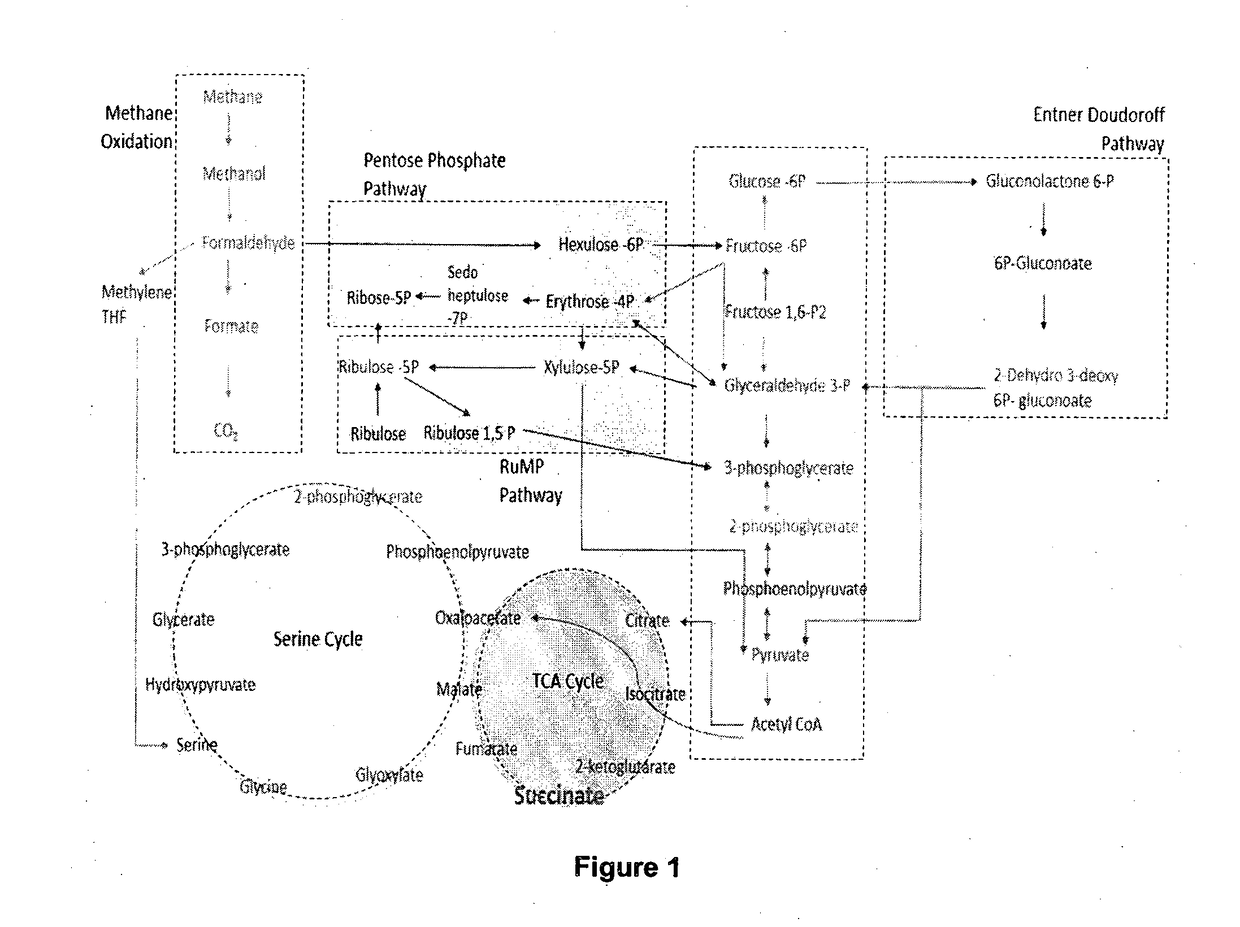
Figure 1 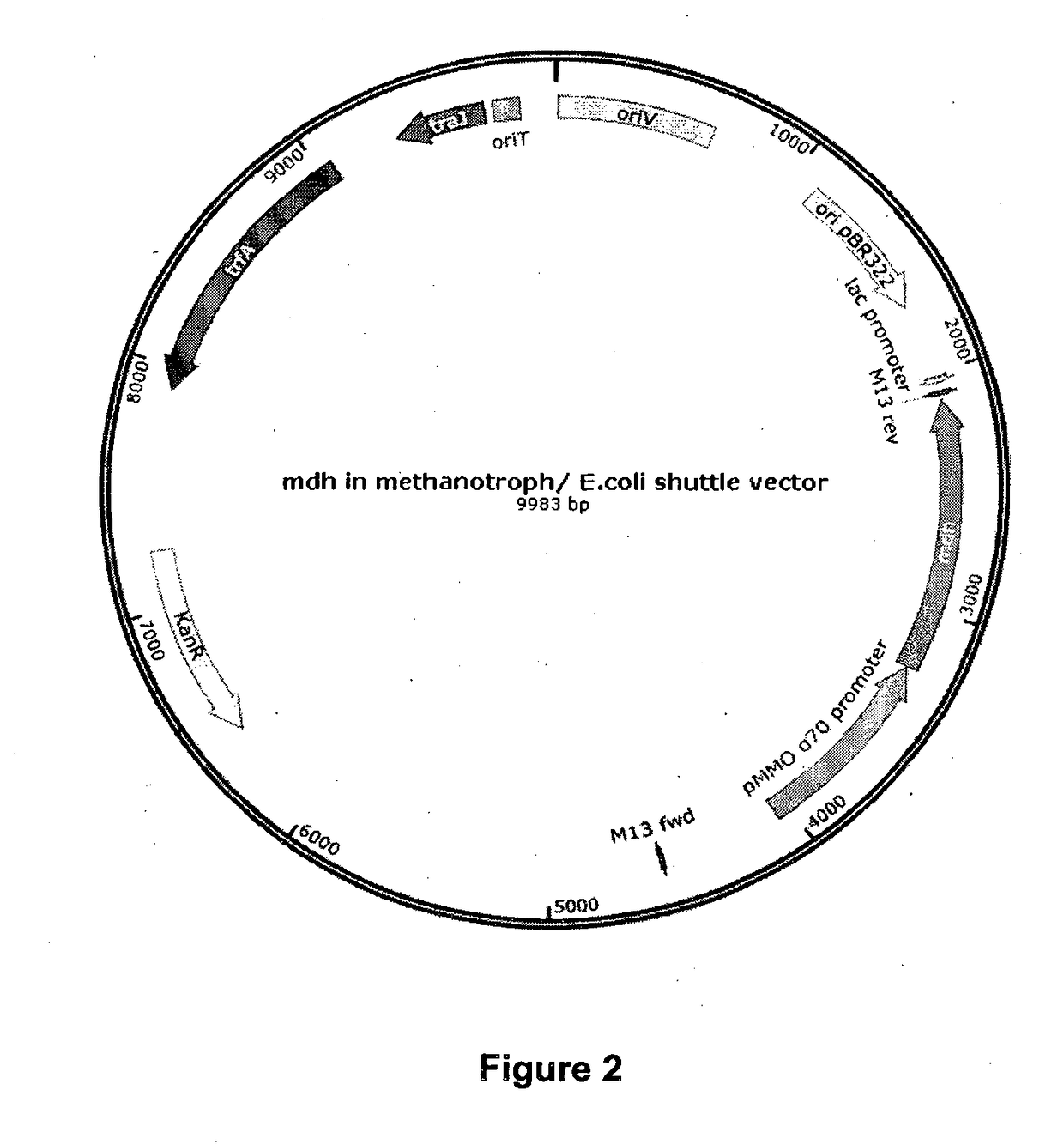
Figure 2 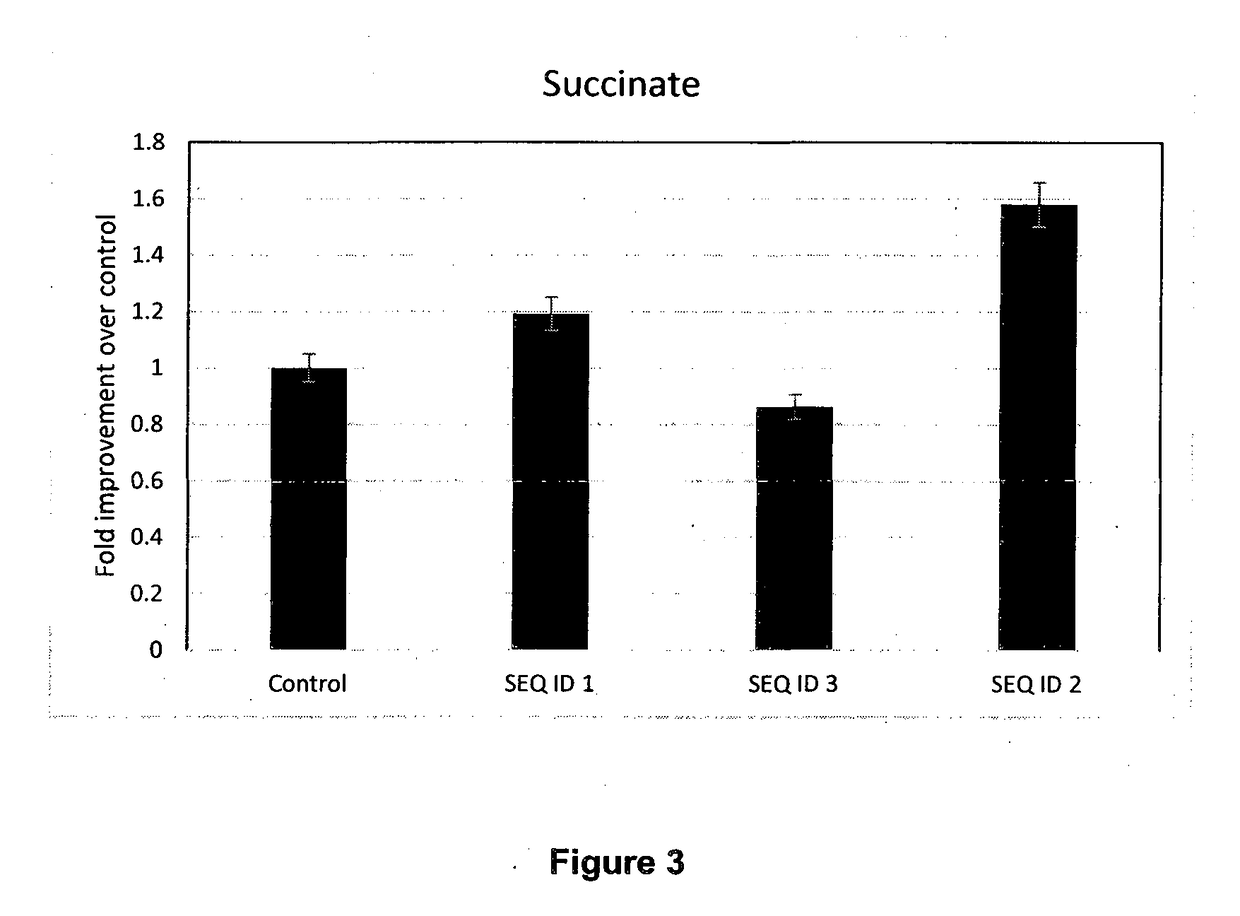
Figure 3
Abstract
Description
FIELD OF THE INVENTION
[0001] The present invention relates to the field of waste management, and more particularly relates to converting organic waste to succinic acid by employing recombinant methanotrophic bacteria.BACKGROUND OF THE INVENTION
[0002] As global living standards and urban populations continue to rise, there's a concurrent increase in the amount of waste generated. Waste management has become the single largest expenditure for most municipalities. Ineffective management of waste is posing serious risk of rapid deterioration in levels of sanitation and general quality of urban life.
[0003] Disposal of wastes is commonly done by dumping (on land or into water bodies), incineration, and / or long term storage in a secured facility. All these methods have varying degrees of negative environmental impacts with adverse health risks if not properly executed. Apart from these methods, recycling, composting, recovery (including resource and energy), and biological reprocessing etc. a...
Examples
example 1
Cloning Succinate Pathway Genes into a Shuttle Vector
[0104]Malate dehydrogenase (mdh E. coli; SEQ ID 1), pyruvate carboxylase (pyc P. aeruginosa (MTCC 424), SEQ ID 2), phospho enol pyruvate carboxylase (pepc E. coli, SEQ ID 3), genes were amplified individually from genomic DNA using primers flanked with SacI and SphI / PciI restriction enzymes. The amplified gene / operon was restriction digested and cloned into the same sites in the broad host range vector pMHA201 to create pSB107 (FIG. 2), pSB108, and pSB109. pMHA201 (Alit, H., & Murrell, J. C, Development and validation of promoter-probe vectors for the study of methane monooxygenase gene expression in Methylococcus capsulatus Bath, Microbiology, 155(3), pp 761-771. (2009)) is a plasmid with a broad range Origin of replication (OriV), Kanamycin resistance gene, Ampicillin resistance gene and OriT for conjugative transfer. Plasmid pSB107, pSB108 and pSB109 were sequence verified.
example 2
Transformation of Succinate Pathway Genes into Methanotrophs
[0105]Methanotrophs were cultivated in nitrate mineral salt (NMS) medium. NMS medium was prepared following the protocol outlined at http: / / www.methanotroph.org / wiki / culturing-tips / and included here. NMS agar plates were prepared with 1.5% (w / v.) Bacto agar. Antibiotics were added as required: kanamycin (30 ug / ml) and Gentamicin (5 ug / ml).
[0106]Methanotrophs were typically grown in 250 ml conical flasks with 24 / 29 joint containing 50 ml NMS medium. Flasks were sealed with suba-seals (Sigma Aldrich, Cat Num: Z279773-10EA) and gassed with 50 ml (i.e. ˜20%) methane / carbon dioxide (95 / 5, v / v mix). M. capsulatus Bath (from Prof. Colin Murrell, University of Norwich) derived strains were incubated at 45° C. with shaking at 200 rpm. M. trichosporium (from Prof. Colin Murrell, University of Norwich) derived strains were incubated at 30° C. A typical methanotrophic culture took about 4-6 days to reach stationary phase. Methanotroph...
example 3
Growth and Assay of Methane to Succinate Activity
[0109]Positive transformants of M. capsulatus containing the malate dehydrogenase (mdh; SEQ ID 1; pSB107), pyruvate carboxylase (pyc; SEQ ID 2, pSB108), phospho enol pyruvate carboxylase (ppc; SEQ ID 3, pSB109) genes were verified by PCR. These were inoculated into 5 ml of liquid NMS media taken in 30 ml culture tubes and sealed with suba seals. 15 ml of Methane mixture (95% CH4; 5% CO2) was introduced into the culture tube using a syringe. The tubes were incubated at 45° C. at 250 rpm agitation. Once the culture OD reached 1, the cultures was centrifuged and the supernatant samples were taken and assayed for succinic acid. The organic acid concentrations were measured using Succinic Acid assay kit (Megazyme International; K-SUCC) according to manufacturer's protocol (FIG. 3).
[0110]Some of the recombinant strains had higher levels of succinic acid compared to the control strain. Recombinant strain with SEQ ID 1 was >15% improved when ...