
Supported catalysts having a controlled coordination structure and methods for preparing such catalysts
a technology of coordinated structure and supported catalyst, which is applied in the field of catalysts, can solve the problems of limiting the arrangement of chemical reactants in a given chemical reaction, and achieve the effects of decreasing reducing the molecular weight of polyacrylic acid, and reducing the length of the reaction
Patent Information
- Authority / Receiving Office
- US · United States
- Patent Type
- Patents(United States)
- Current Assignee / Owner
- Publication Date
- 2006-03-14
Smart Images
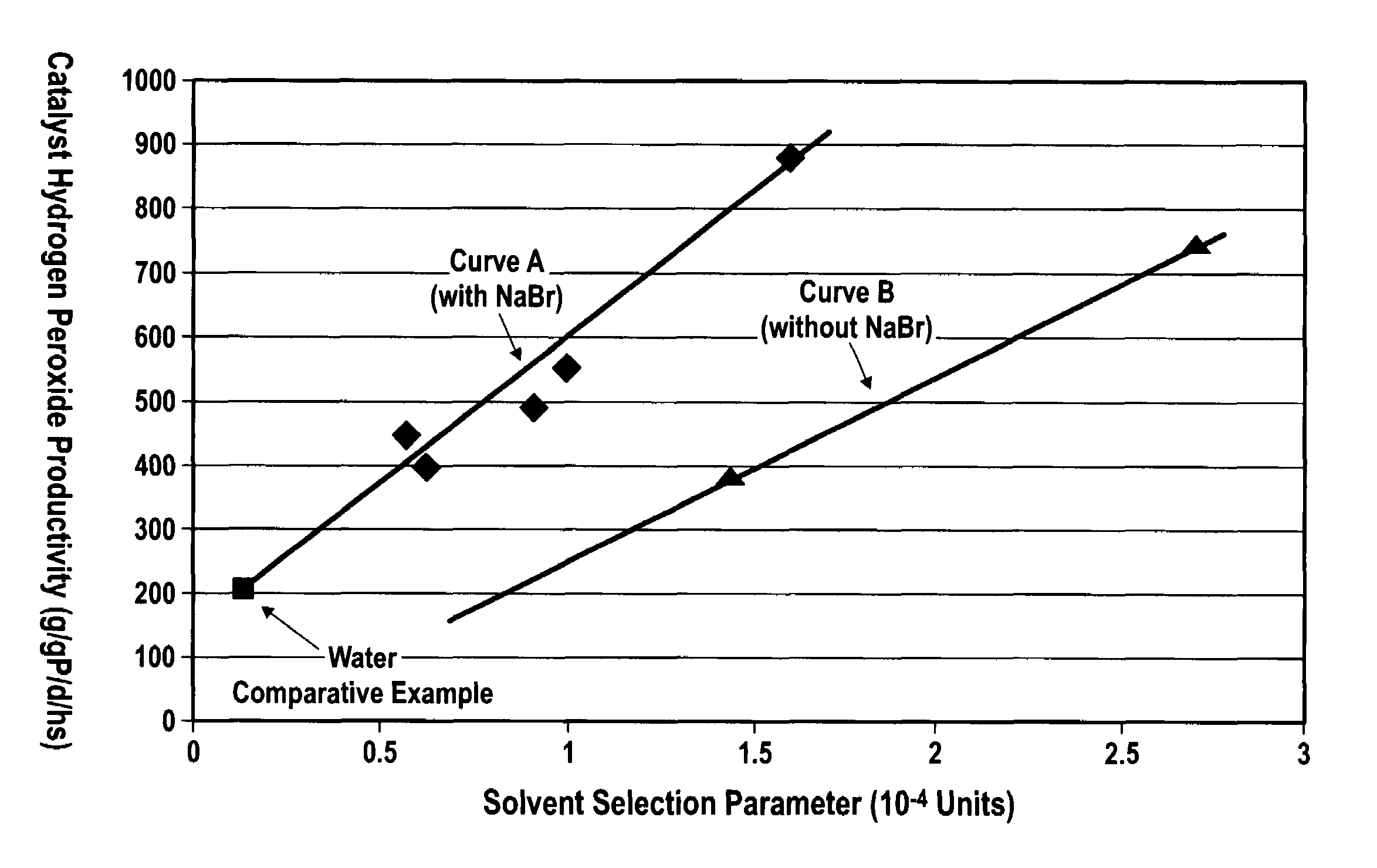
Figure 1 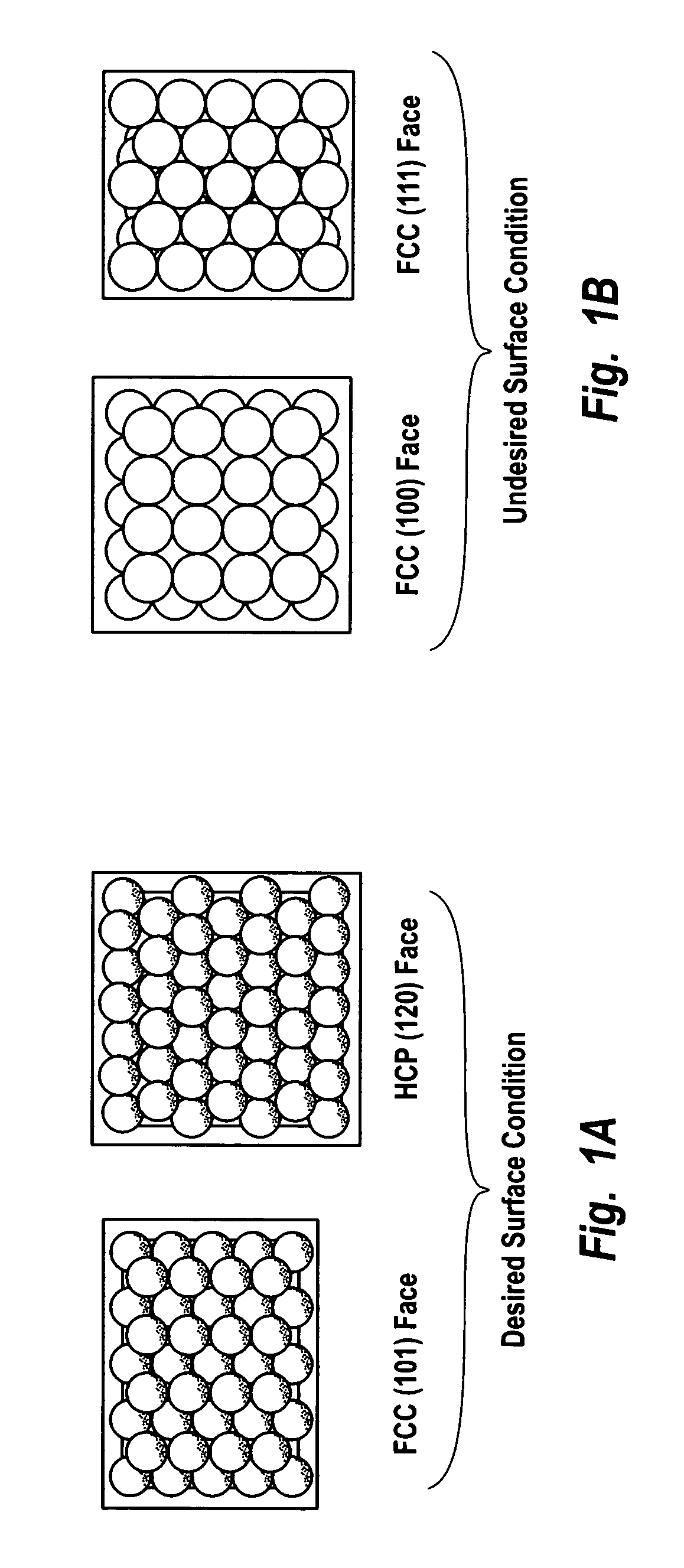
Figure 2 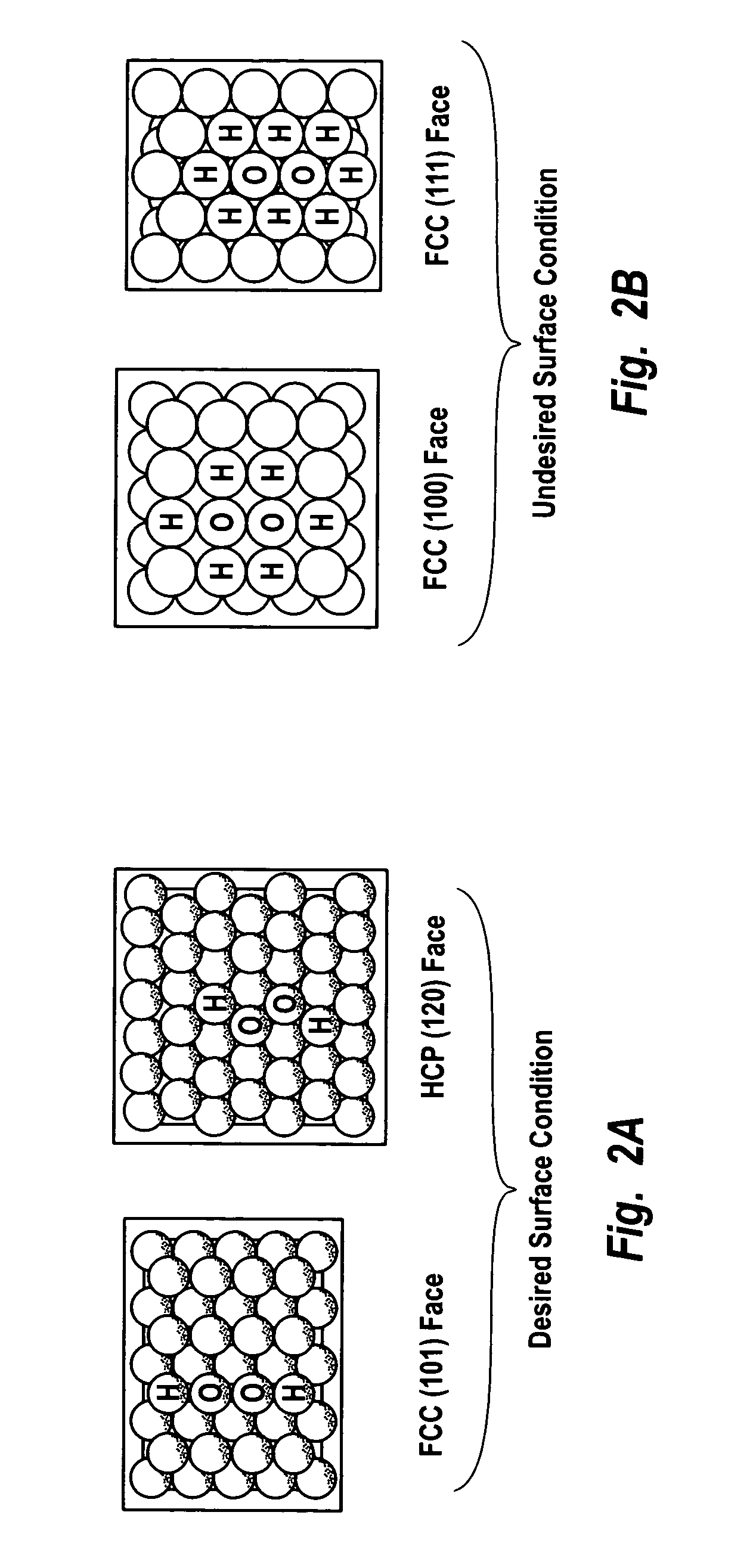
Figure 3
Abstract
Description
BACKGROUND OF THE INVENTION
[0001] 1. The Field of the Invention
[0002] The present invention relates to catalysts for use in various chemical processes. More particularly, the invention relates to highly selective supported catalysts having a controlled coordination structure and methods of manufacturing such catalysts.
[0003] 2. The Relevant Technology
[0004] Catalysts are widely used in many industries including chemical, petroleum, pharmaceutical, energy, and automotive. Many of the catalysts used in these industries are based on dispersed particles of certain active components, where the active components are commonly metals or combinations of metals and other elements. In catalysts of this type, the catalytic properties of the materials are determined by both the type of active components selected, i.e., the elemental composition of the catalyst, and the detailed structure of the dispersed particles, i.e., the atomic scale structure and orientation of the dispersed particles.
[0005] His...
Examples
example 1
Preparation of Pd / Pt Controlled Coordination Catalyst on Carbon Support
[0154]This example describes the preparation of a noble metal catalyst on a carbon support having a top or outer layer of noble metal atoms with controlled coordination of 2. The active noble metal constituent included a mixture of palladium and platinum. The catalyst support was carbon black.
[0155]A first solution was prepared by dissolving 1.333 g of palladium chloride in 1000 ml of an acidic aqueous solution that included 0.15% hydrochloric acid. A second solution was prepared by dissolving 15 g of a 45% sodium polyacrylate solution in 100 ml of water. The sodium polyacrylate had a molecular weight of 1200. This batch of sodium polyacrylate was believed to include about 80–90% straight-chained molecules. A third solution was then prepared by dissolving 0.2614 g of platinum chloride in 1000 ml of water. Thereafter, 300 ml of the first solution, 40 ml of the second solution, and 48 ml of the third solution were ...
example 2
Preparation of Pd / Pt Controlled Coordination Catalyst on TS-1 Support
[0161]This example describes the preparation of a noble metal catalyst on a zeolitic support having top or outer layer noble metal atoms with controlled coordination of 2. The active noble metal constituent included a mixture of palladium and platinum. The catalyst support was titanium silicalite-1 (TS-1).
[0162]A first solution was prepared by dissolving 1.3339 g of palladium chloride in 1000 ml of an acidic aqueous solution that included 0.15% hydrochloric acid. A second solution was prepared by dissolving 15 g of a 45% sodium polyacrylate solution in 100 ml of water. The sodium polyacrylate had a molecular weight of 1200. A third solution was then prepared by dissolving 0.2614 g of platinum chloride in 1000 ml of water. Thereafter, 75 ml of the first solution, 10 ml of the second solution, and 12 ml of the third solution were mixed together. The combined solution was then diluted with water up to a total volume o...
example 3
Batch Synthesis of Hydrogen Peroxide Using Controlled Coordination Catalyst
[0170]0.2 g of supported catalyst prepared according to Example 1 was charged to a semi-batch stirred tank reactor with nominal liquid volume of 200 ml. 200 ml of liquid solution consisting of water with 1 wt % H2SO4 and 5 ppmw NaBr was also charged to the reactor. A gas feed consisting of 3 vol % hydrogen, 20 vol % oxygen, and 77 vol % nitrogen was fed continuously to the reactor at a rate of 1000 sccm. Unreacted gases were continuously withdrawn from the reactor. The reactor was maintained at a temperature of 45° C. and a pressure of 1400 psig. A mechanical stirrer was used to agitate the reaction medium.
[0171]Continuous flow of gas was maintained for a period of 3 hours. At the end of the 3 hour run, the gas feed was stopped, and the final liquid removed from the reactor. Based on gas analysis, the overall average hydrogen conversion was found to be 33%. Liquid analysis showed a final hydrogen peroxide con...