Antibody humanization transformation method

A humanization and antibody technology, applied in the fields of molecular biology, bioinformatics, and immunology, can solve problems such as changes and decrease in antibody affinity, and achieve the effects of solving contradictions, maintaining high affinity, and high degree of humanization

CN103145834AActive Publication Date: 2013-06-12ZHUHAI TRINOMAB BIOTECHNOLOGY CO LTD
3 Cites 15 Cited by

Patent Information

Authority / Receiving Office
CN · China
Patent Type
Applications(China)
Current Assignee / Owner
Publication Date
2013-06-12

Smart Images

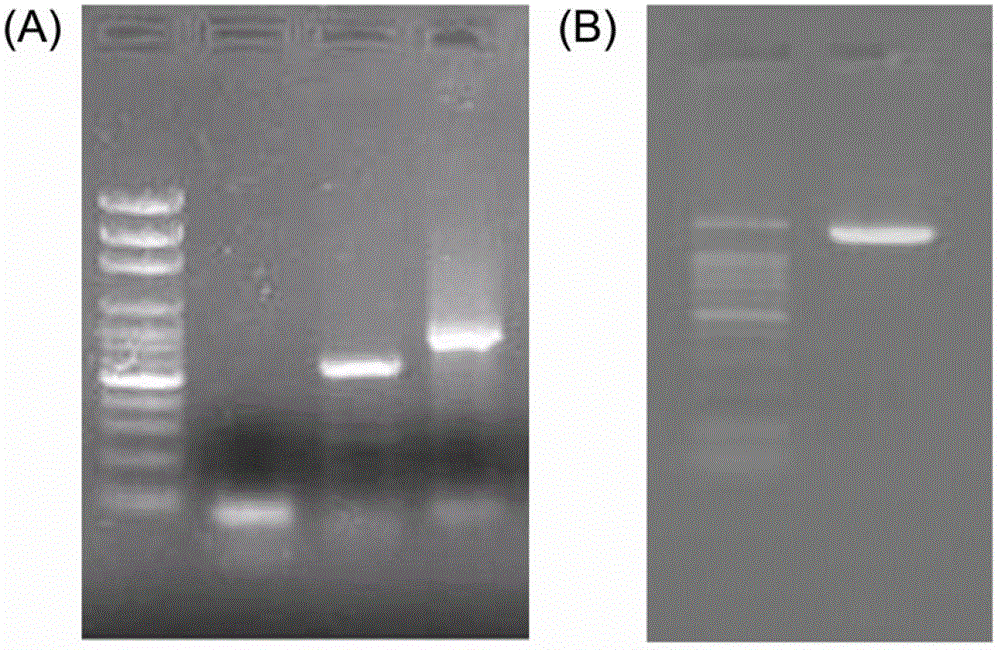
  • Figure 1
    Figure 1
  • Figure 2
    Figure 2
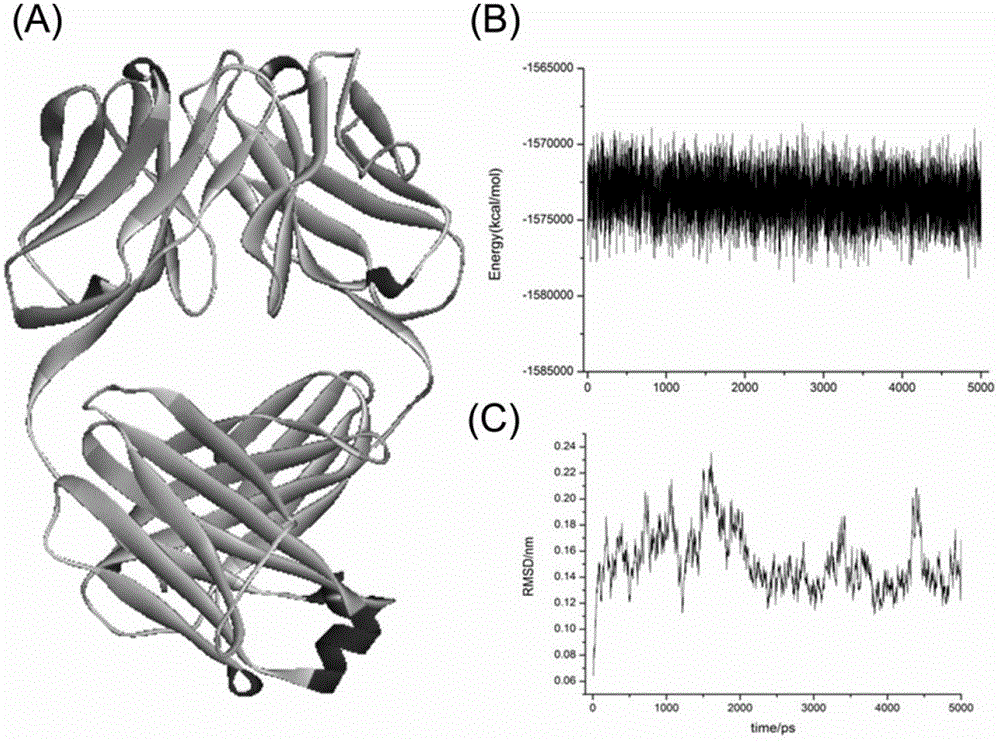
  • Figure 3
    Figure 3
Patent Text Reader

Abstract

The invention discloses an antibody humanization transformation method. The antibody humanization transformation method comprises the following steps: analyzing an antibody gene sequence; starting antibody Fab isogeny modeling and optimization; ascertaining humanization mutation locus by epitope scanning, simulating virtual mutation molecular dynamics, and confirming key amino acid; the antibody humanization transformation method designs reasonable humanization antibody through the analysis, and further uses the epitope to scan and authenticate antibody humanization degree; and finally authenticates the appetency of the humanization antibody in a biological experiment. The antibody humanization transformation method has the advantages that the antibody humanization transformation method can be used for humanization transformation of mouse sources or source antibodies of other animals, only needs to provide the gene sequence of the antibody Fab, and is not dependent on information of antigen epitope. The humanization antibody designed by the antibody humanization transformation method has higher appetency maintenance, higher humanization degree, is capable of solving a contradiction between antibody appetency and humanization degree to a maximum degree.
Need to check novelty before this filing date? Find Prior Art

Description

technical field

[0001] The invention belongs to the fields of immunology, molecular biology and bioinformatics, and in particular relates to an antibody humanization transformation method.

[0002] Background technique

[0003] Monoclonal antibody drugs have the advantages of strong specificity, small side effects, and significant curative effect, and have become important tools for fighting tumors, infectious diseases, autoimmune diseases and other patients. At present, cell fusion and hybridoma technology are still the most reliable methods for preparing monoclonal antibodies. Animals commonly used for immunization include mice, rats, sheep, rabbits and other animals, and the most commonly used ones are mice including rats and mice. The monoclonal antibody obtained by this method is of animal origin, and the development of animal-derived monoclonal antibody as an antibody drug for use in the human body must be humanized to reduce the human-anti-animal antibody response c...

Examples

Embodiment Construction

[0046] Antibody TRN002 is a rat monoclonal antibody against human DEC-S, and its subtypes are determined to be IgG1 and Kappa. This antibody can specifically mediate antigen endocytosis, improve the immune presentation ability of DC cells to specific antigens, and is expected to It has been developed into a therapeutic vaccine for related diseases with low cellular immune function, but because TRN002 is of mouse origin, it must be humanized before it can be used as a drug in clinic.

[0047] 1 Antibody gene cloning and sequence analysis

[0048] ) Antibody gene cloning

[0049] The hybridoma cells secreting specific antibodies are subcloned, and the subcloned cell supernatant is analyzed by antibody identification methods such as ELISA or FACS, and the cell clones secreting strong positive antibodies are expanded, cultured and frozen; The hybridomas operated more than twice were expanded and cultured to 10 7 Cells (cells), total RNA was extracted according to the instructio...