
Adaptive-with-wind load power type off-grid wind power heat storage and heating system for rural residences
A load power, self-adaptive technology, applied in energy-saving and emission-reducing heating systems, off-grid rural residential wind power heat storage heating systems, can solve problems such as waste of energy, air pollution, environmental pollution, etc., to expand the application area, reduce Low operating cost and wide application effect
- Summary
- Abstract
- Description
- Claims
- Application Information
AI Technical Summary
Problems solved by technology
Method used
Image

Examples
Embodiment Construction
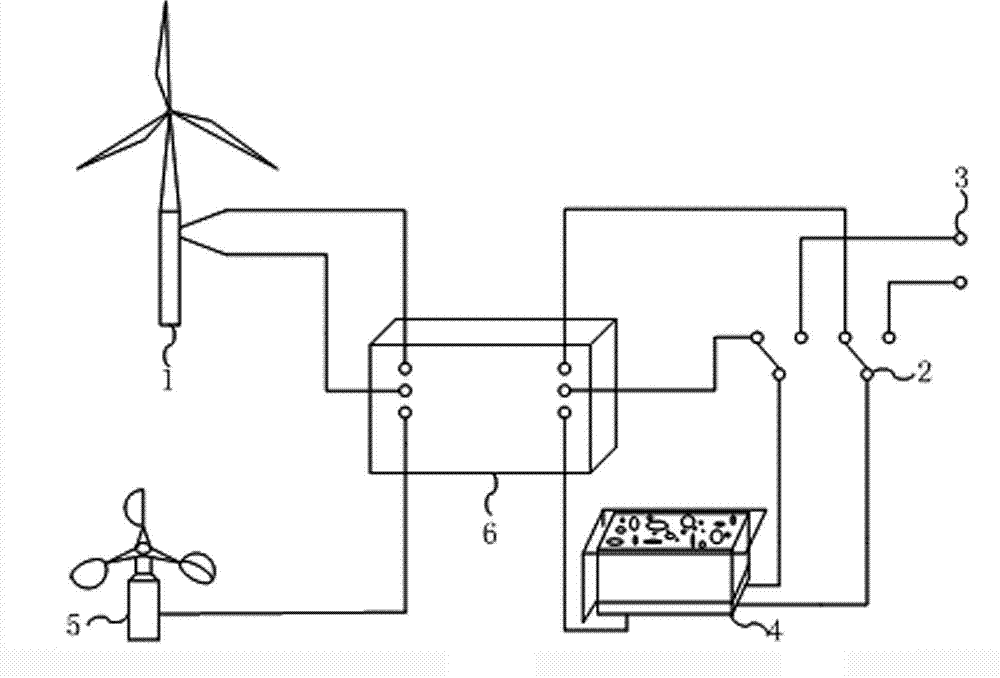
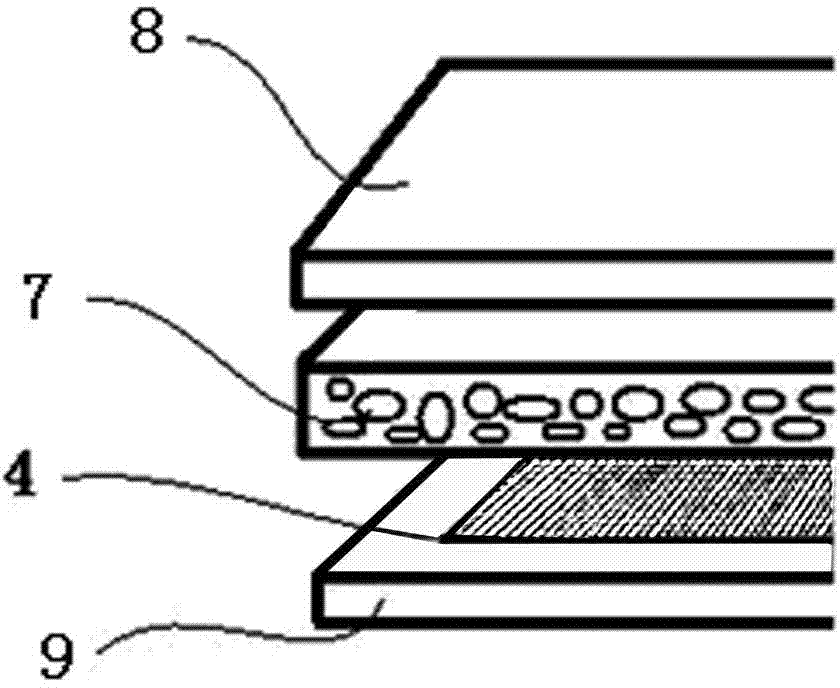
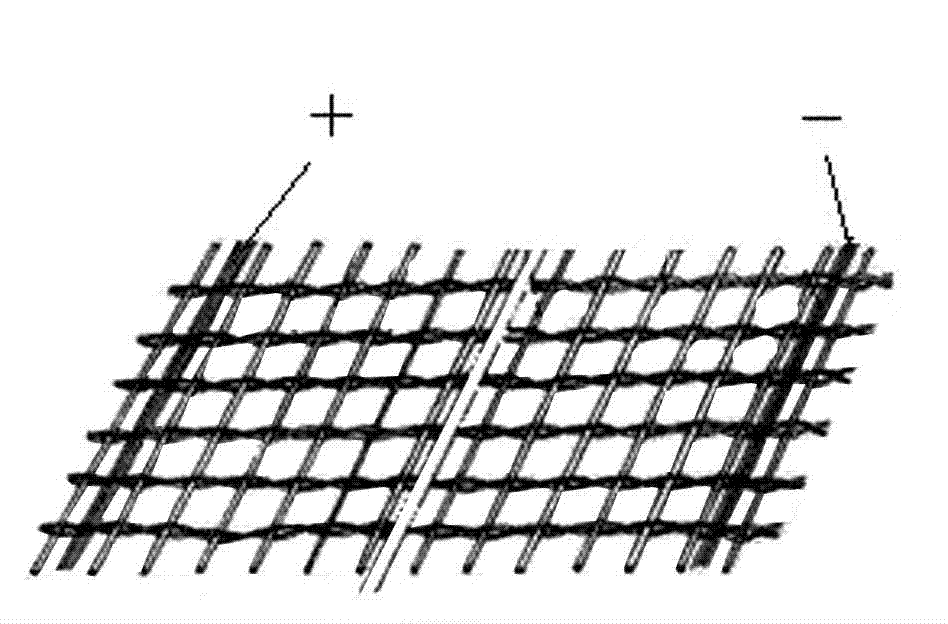
[0017] Such as figure 1 As shown, the off-grid rural residential wind power heat storage heating system with load power adaptive to the wind of the present invention has the following structure: the output end of the wind generator 1 and the wind speed sensor 5 is connected to the input end of the load power wind control device 6 , the output end of the load power wind regulating device 6 is connected with the heating element 4 of the indoor heat storage and heating conversion device through the switch controller 2, and the switch controller 2 is also connected with the 220V household power supply 3. Such as figure 2 As shown, the structure of the indoor heat storage and heating conversion device is as follows: it includes the surface 8 of the hanging Kang Kang in the residential house, and the pebble layer 7, the heating element 4 and the floor 9 of the hanging Kang Kang are laid in sequence under the surface 8 of the Hanging Kang Kang, as shown in FIG. image 3 As shown, t...
PUM
 Login to View More
 Abstract
Description
Claims
Application Information
 Login to View More