
Estimation method for content of copper in soil on basis of visible-light near-infrared spectrum technology
A near-infrared spectroscopy and visible light technology, which is applied in the field of spectral data processing and soil detection, can solve problems such as rapid measurement that has not been reported, and achieve the effect of simple calculation methods.
- Summary
- Abstract
- Description
- Claims
- Application Information
AI Technical Summary
Problems solved by technology
Method used
Image

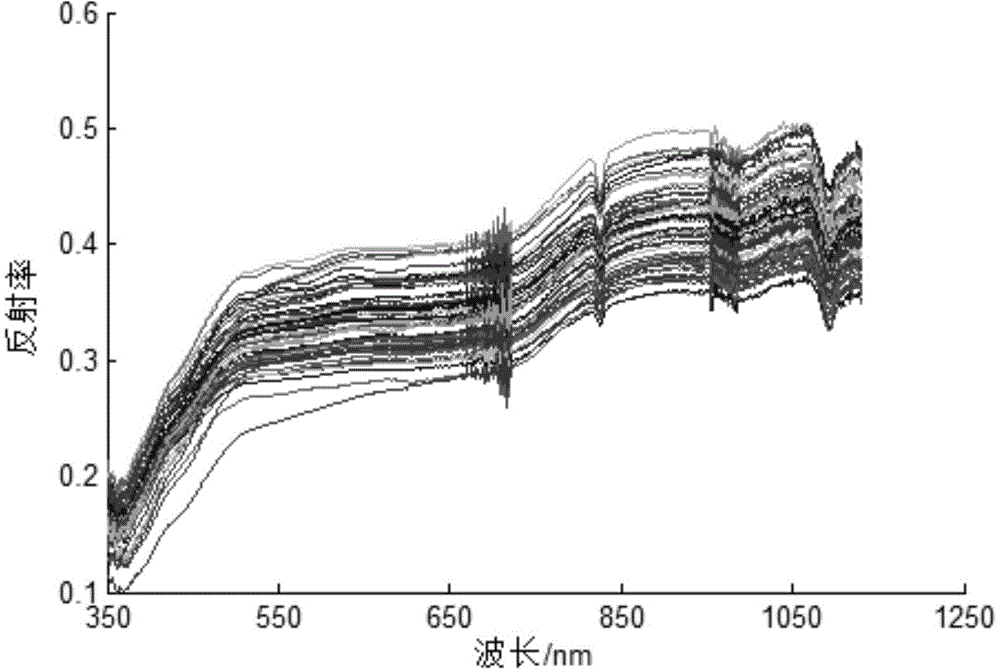
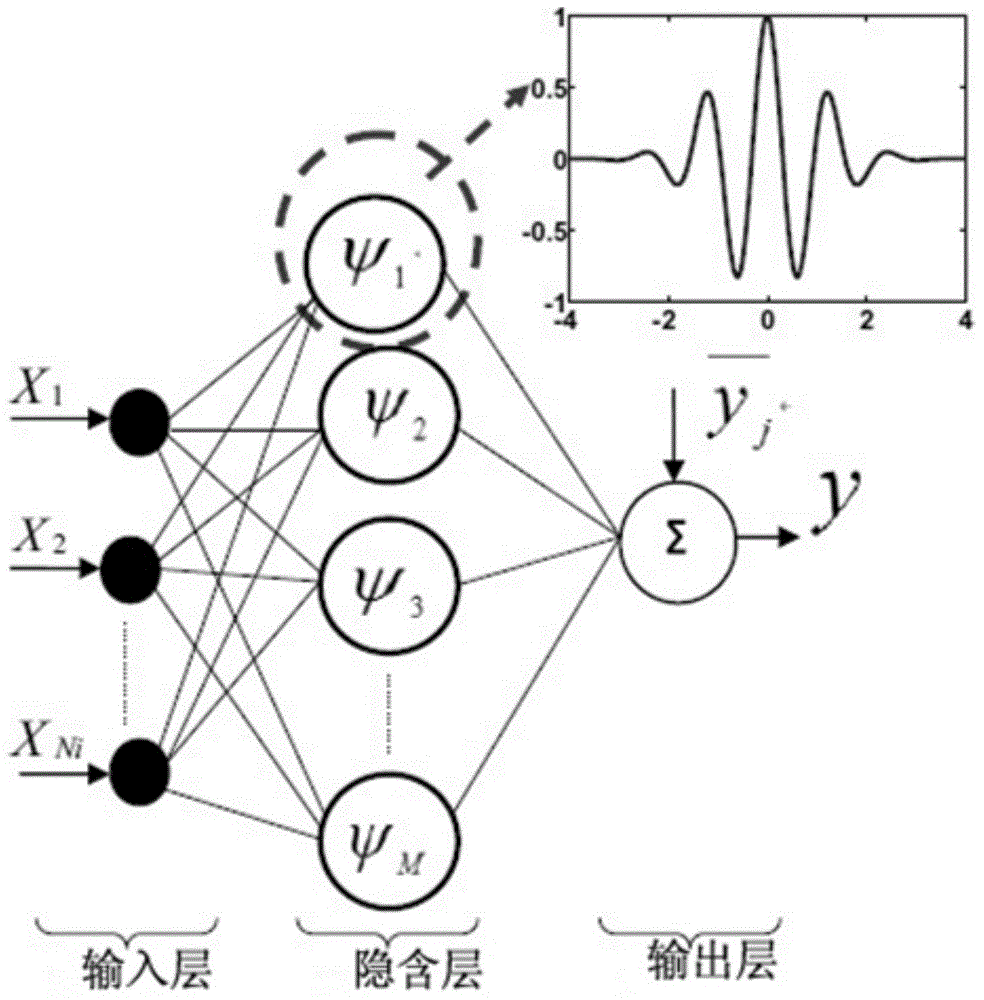
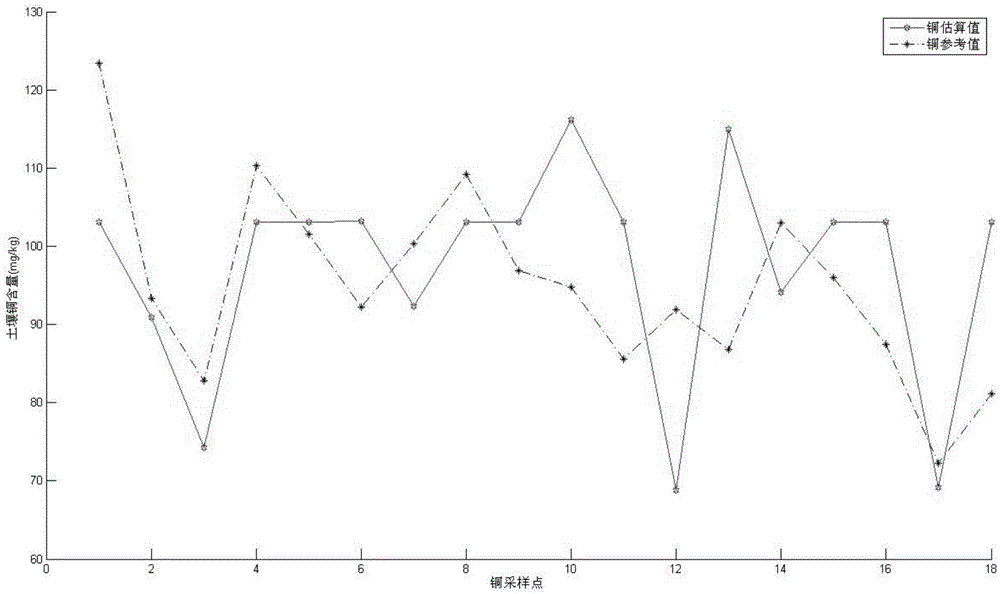
Examples
Embodiment 1
[0054] Taking the tailings of Jinduicheng Molybdenum Mine in Hua County, Shaanxi Province as the test object, the soil copper content is estimated. The specific steps are as follows:
[0055] (1) Collection of soil samples
[0056] Taking the tailings of molybdenum mine in Jinduicheng, Hua County, Shaanxi Province as the research area, the whole mining area was divided into 10 sub-districts according to the mining situation and surface plant coverage. Each sub-district was randomly collected 6 soil samples according to the method of plum blossom distribution. 60 soil samples were collected, and soil surface samples (0-20 cm) were collected. The soil of each sampling point was put into a different sample box, and the sample label was filled outside the sample bag.
[0057] After the soil samples were brought back to the laboratory, foreign matter such as fragments and pebbles were removed, air-dried and passed through a 2mm nylon sieve, and the screened soil samples were divid...
PUM
 Login to View More
 Abstract
Description
Claims
Application Information
 Login to View More