
Interference characteristic extraction method based on projection transformation
A technology of projection transformation and feature extraction, applied in radio wave measurement systems, instruments, etc., can solve problems such as the depth gap of research, insufficient research system, gap between experimental verification and application, etc., to achieve good real-time performance, simple principle, guarantee The effect of target detection and admission tracking capabilities
- Summary
- Abstract
- Description
- Claims
- Application Information
AI Technical Summary
Problems solved by technology
Method used
Image

Examples
Embodiment
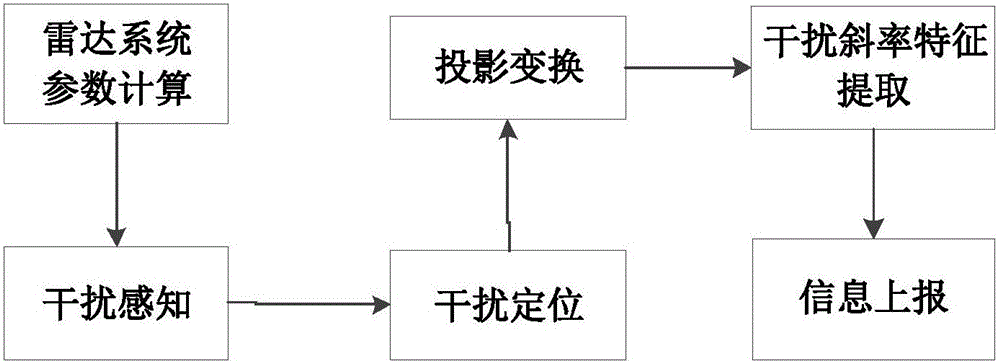
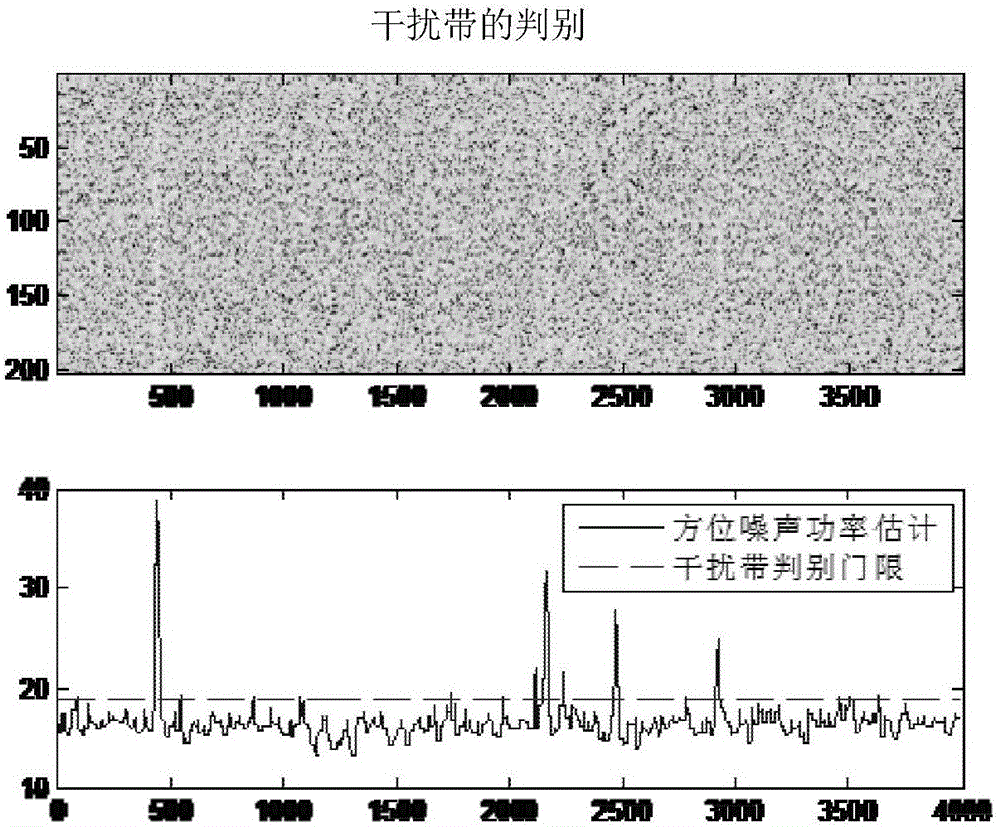
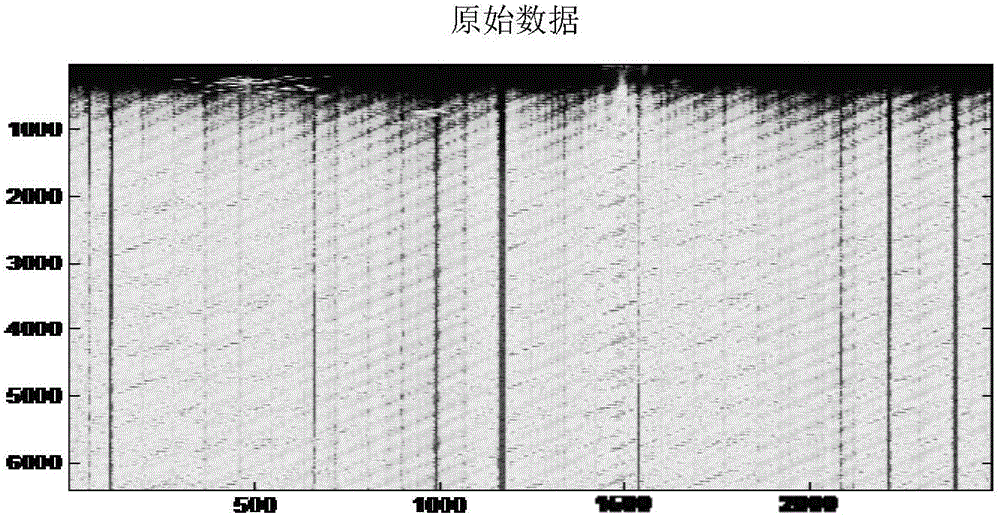
[0052] 1 pair image 3 The radar actual measurement data analysis shown, the radar works in the MTI system, the distance resolution unit is 30m, the distance unit is 4000 (120km in total), the antenna scans 6 revolutions per minute, the pulse repetition frequency is 300Hz, and the word length of the collected data is 8 bits (0-255) .Divide the 360° area of the radar scan into 4096 azimuth units, and obtain the average value of noise on each azimuth unit, that is, the azimuth noise power; the noise estimation is obtained by selecting the smallest data for all azimuth units. After calculation, the average value of the noise power is 18, and the radar azimuth noise power is shown in figure 2 .
[0053] 2. Perceive the interference environment: compare the noise power estimation of the azimuth with the threshold, the threshold is determined by the noise estimate, the noise estimate is 18, the threshold is 20, and the azimuth exceeding the threshold is considered to have interf...
PUM
 Login to View More
 Abstract
Description
Claims
Application Information
 Login to View More