Infected mouse model for lung delivery through liquid aerosol with plague bacilli

An aerosol and liquid technology, which is applied in the fields of bacterial medical raw materials, pharmaceutical science, and resistance to vector-borne diseases, can solve the problems of high price, large demand for samples, and increase the burden of biosafety protection, and achieve targeted Strong and repeatable effect

CN110151793AInactive Publication Date: 2019-08-23ACADEMY OF MILITARY MEDICAL SCI
8 Cites 1 Cited by

Patent Information

Authority / Receiving Office
CN · China
Current Assignee / Owner
Publication Date
2019-08-23
Estimated Expiration
Not applicable · inactive patent

Smart Images

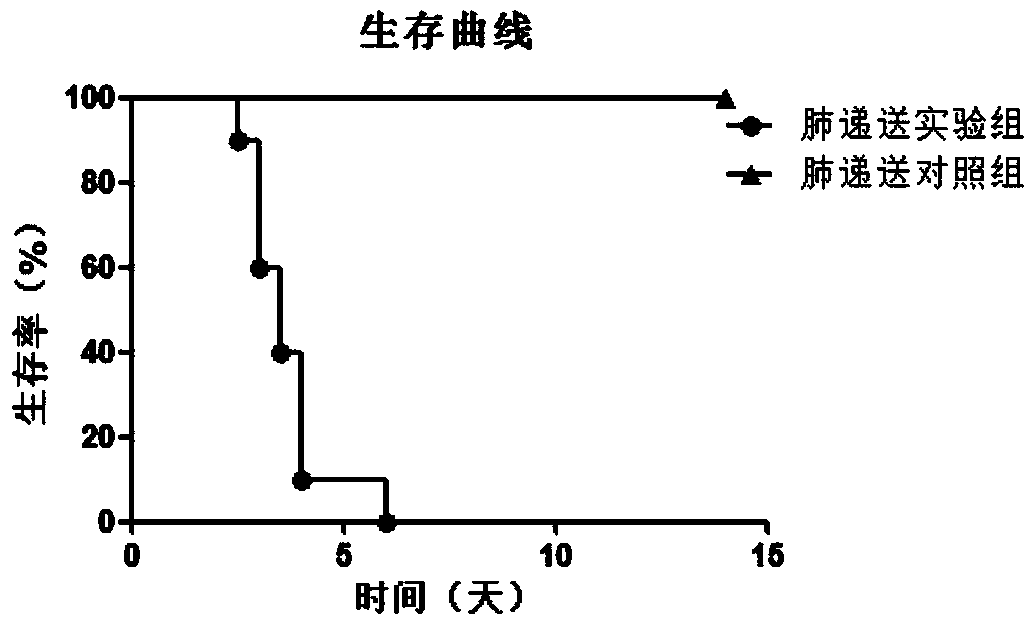
  • Figure 1
    Figure 1
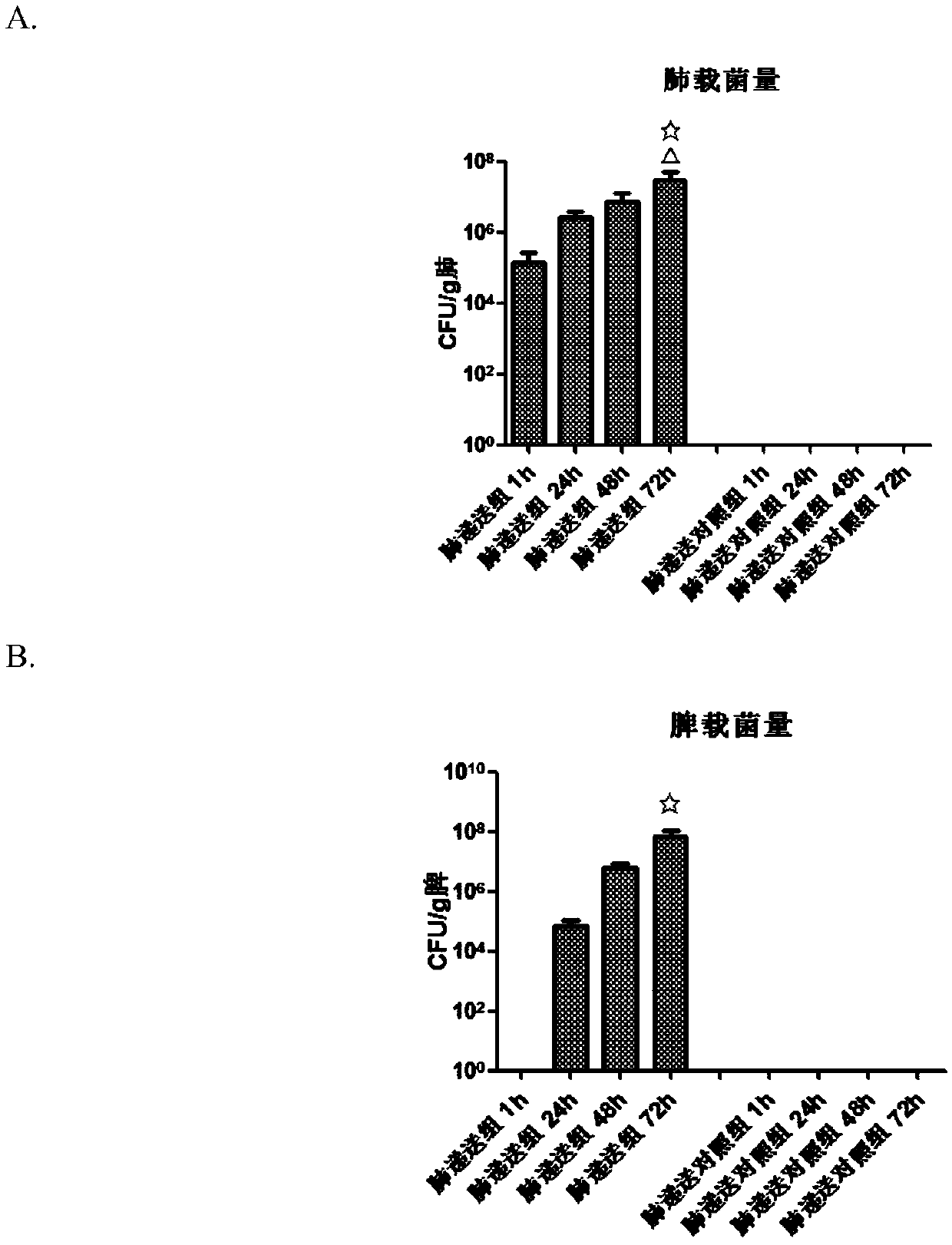
  • Figure 2
    Figure 2
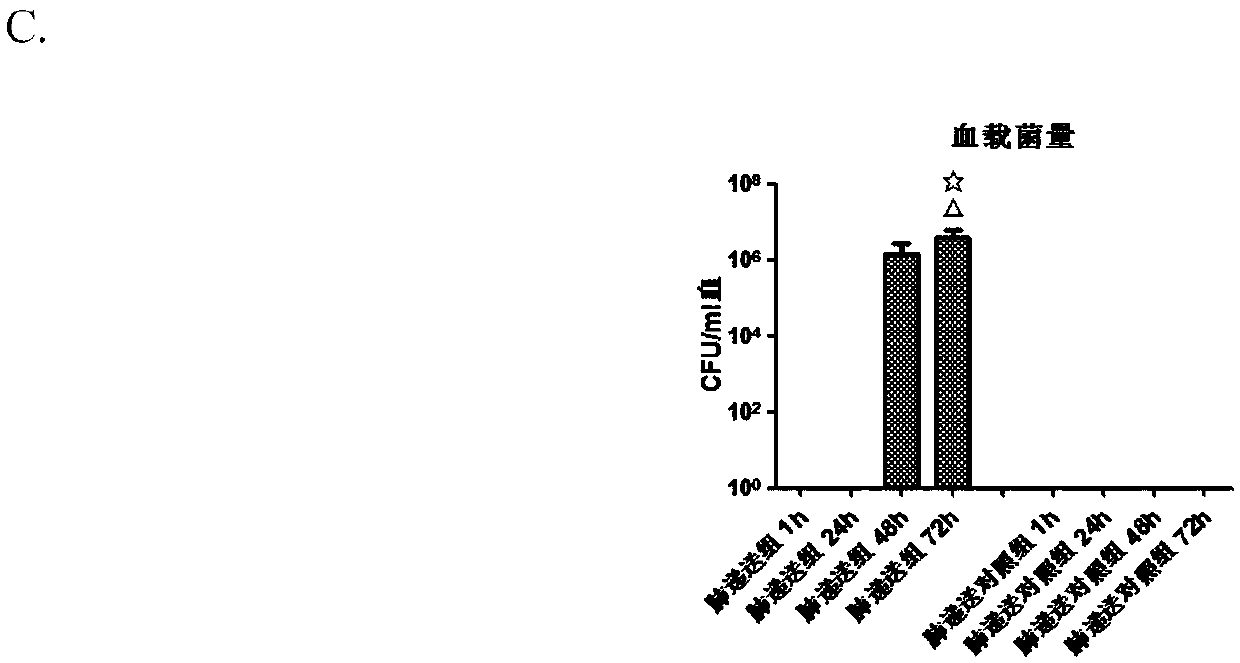
  • Figure 3
    Figure 3
Patent Text Reader

Abstract

The invention discloses an infected mouse model for lung delivery through liquid aerosol with plague bacilli and provides a method for preparing an animal model. The method comprises the following steps that pathogenic bacteria are delivered to the animal lung through a liquid aerosol mode, and the animal model is obtained. The pathogenic bacteria are plague bacilli; or the animal is a mouse. According to the model, a test sample is directly delivered to the mouse lung through the liquid aerosol mode, a novel pulmonary plague mouse infection model is established, the model is high in targetingperformance and good in repeatability, and the infection condition of the test sample on the mouse can be accurately and quantitatively researched.
Need to check novelty before this filing date? Find Prior Art

Description

technical field

[0001] The invention relates to a method for preparing a mouse infection model, in particular to a method for constructing a mouse model infected with pathogenic bacteria delivered by liquid aerosol lungs. Background technique

[0002] Plague is an ancient natural foci disease, which has caused three worldwide pandemics in history and claimed the lives of hundreds of millions of people. Yersinia pestis is one of the bacteria in the genus Yersinia pestis that can cause serious human infections. People may be infected by contact with the blood and tissues of infected animals, or exposed to bacterial aerosols. The manifestations are lymph glands Swelling, sepsis, or pneumonic plague, the latter two of which are highly contagious and often fatal if not treated with antibiotics within 24 hours of onset of symptoms. Plague infection is still a serious threat to public health in many countries and regions. The establishment of animal models of Y. pestis is insepar...

Examples

Embodiment 1

[0032] Example 1. A method for constructing a mouse model of liquid aerosol lung delivery infection

[0033] 1. Culture of Yersinia pestis and preparation of bacteria solution

[0034] (1) Activation Thaw out 20 μl of the glycerol strain Yersinia pestis 91001 stored in a -80 degree refrigerator and inoculate it in 20 ml of BHI broth, and culture it on a shaker at 26° C. at 200 rpm for 36 hours to grow Yersinia pestis to the plateau stage. This is the first generation bacteria.

[0035] (2) Pre-cultivation Transfer the 20-fold dilution of the bacterial solution into 20ml of BHI broth, and cultivate the bacterial solution to OD at 26°C at 200rpm 600 is 1.0. This is the second generation bacteria.

[0036] (3) For formal culture, transfer the 100-fold dilution of the bacterial solution into 20ml of BHI broth, and culture the bacterial solution to OD at 200rpm at 26°C 600 1.0, this is the third generation bacteria. Transfer the third-generation bacterial solution to a shaker ...