
Systems and Methods for Using Pd1+ in a TWC
a technology of pd1+ and catalyst, which is applied in the direction of physical/chemical process catalyst, metal/metal-oxide/metal-hydroxide catalyst, and separation process, etc., can solve the problems of high cost of catalyst, difficult to reclaim metals from spent catalysts, and complex production process, etc., to achieve the effect of greater availability and low cos
- Summary
- Abstract
- Description
- Claims
- Application Information
AI Technical Summary
Benefits of technology
Problems solved by technology
Method used
Image

Examples
examples
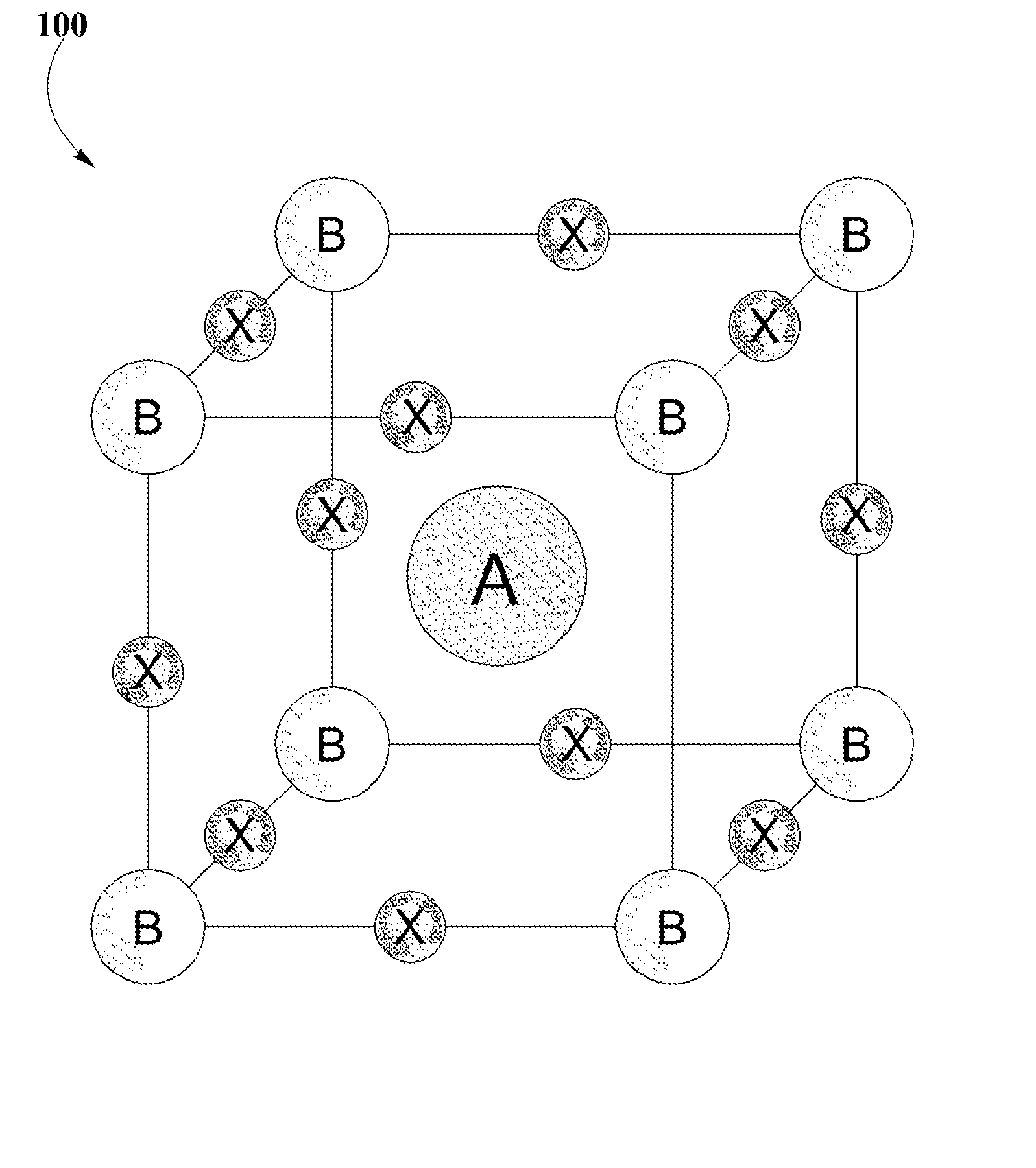
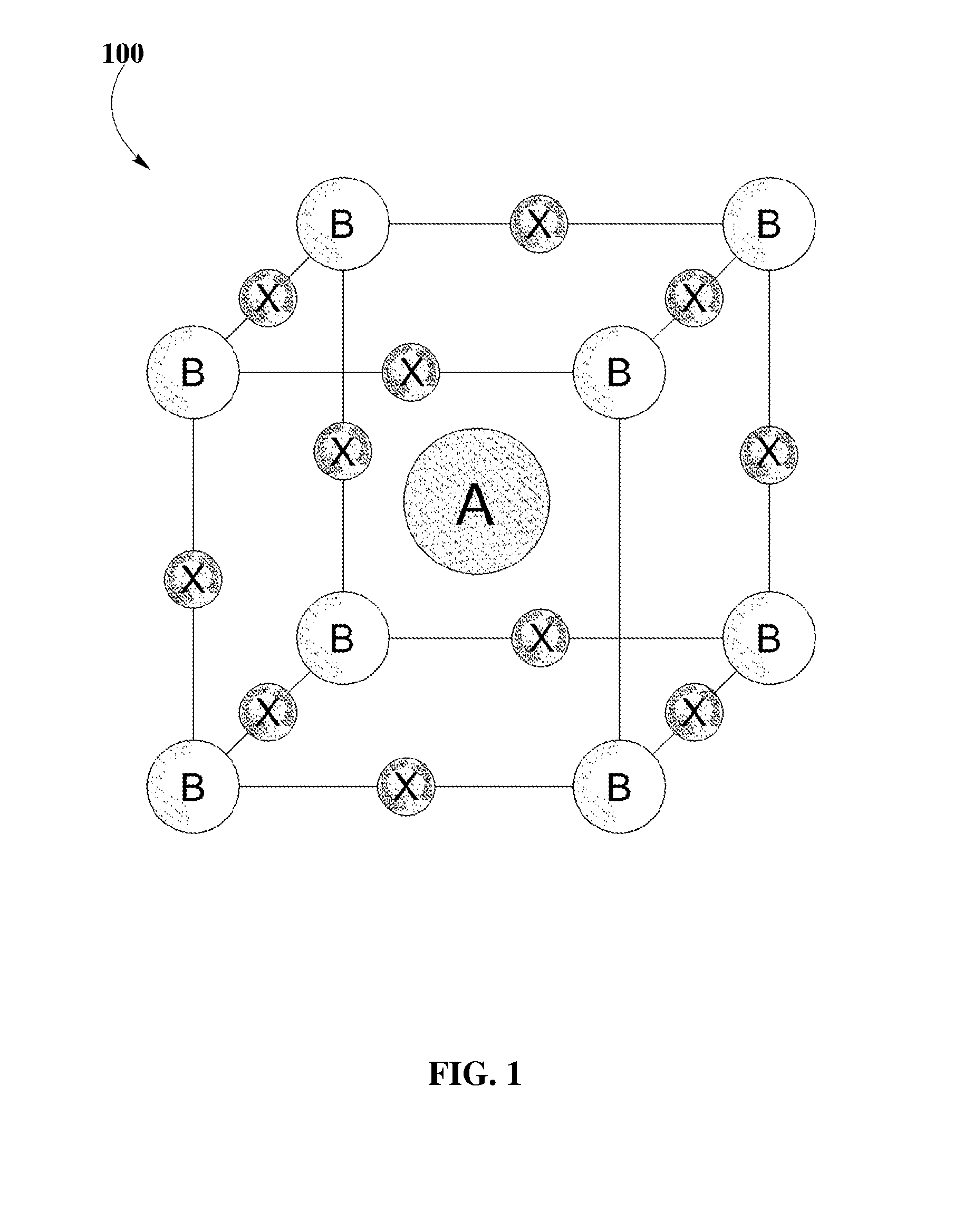
[0057]Example #1 is another embodiment of Pd (+1) TWC 400, where the structure of the Pd1+ described in FIG. 2 is included on the second impregnation layer and the over-coat. Suitable compounds for perovskite structure 100 may be denoted as ABX3. Where A may include Pd1+, Pd1+ / Ca, La; B may include Ti / Nb, Nb, Zr, Mn, Ta, V, Ti, W and mixture thereof and other stable (+5) oxides; and X may be O3. Pd (+1) TWC 400 may exhibit improved durability and performance relative to known palladium-only TWCs, and may be effective to convert hydrocarbons, carbon monoxides and nitrogen oxides into water, carbon dioxide and nitrogen, respectively, in an exhaust stream from any engine that would utilize a TWC.
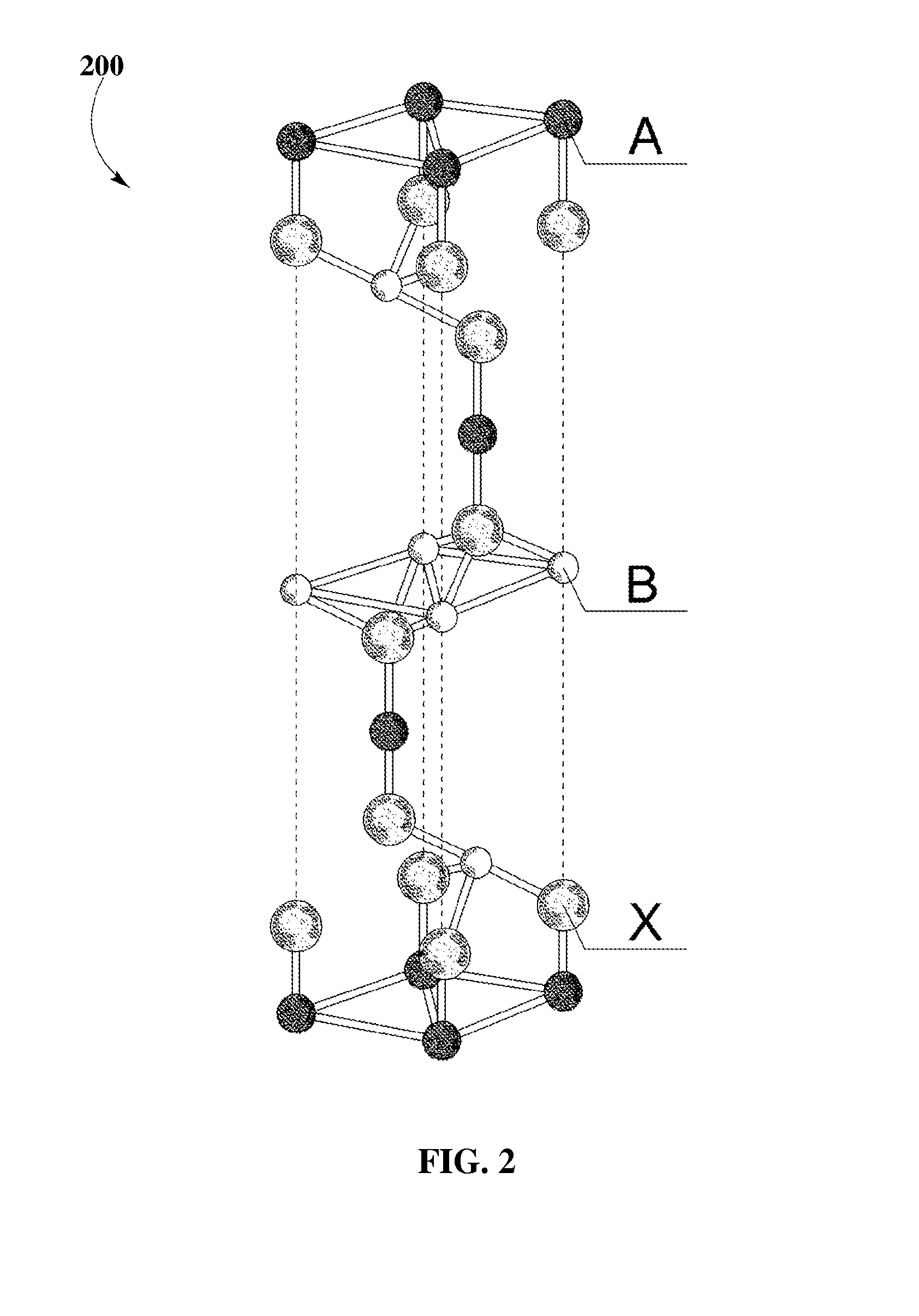
[0058]Example #2 is another embodiment of Pd (+1) TWC 400, where the structure of the Pd1+ described in FIG. 3 is included on the second impregnation layer and the over-coat. Suitable compounds for delafossite structure 200 may be configured as PdXO2 where X may be Sc, Cr, Mn, Fe, Co, Ga, Al, C...
PUM
| Property | Measurement | Unit |
|---|---|---|
| temperatures | aaaaa | aaaaa |
| formal charge | aaaaa | aaaaa |
| weight | aaaaa | aaaaa |
Abstract
Description
Claims
Application Information
 Login to View More