
Gradient Ozone Catalytic Oxidation Method for Degrading Organic Pollutants in Water
A technology for ozone catalytic oxidation and organic pollutants, applied in the direction of oxidized water/sewage treatment, chemical instruments and methods, multi-stage water/sewage treatment, etc., can solve the problem of inability to efficiently remove organic pollutants in water, pH value and temperature. To achieve the effect of inhibiting the formation of chlorine disinfection by-products, reducing toxicity and reducing CT value
- Summary
- Abstract
- Description
- Claims
- Application Information
AI Technical Summary
Problems solved by technology
Method used
Image

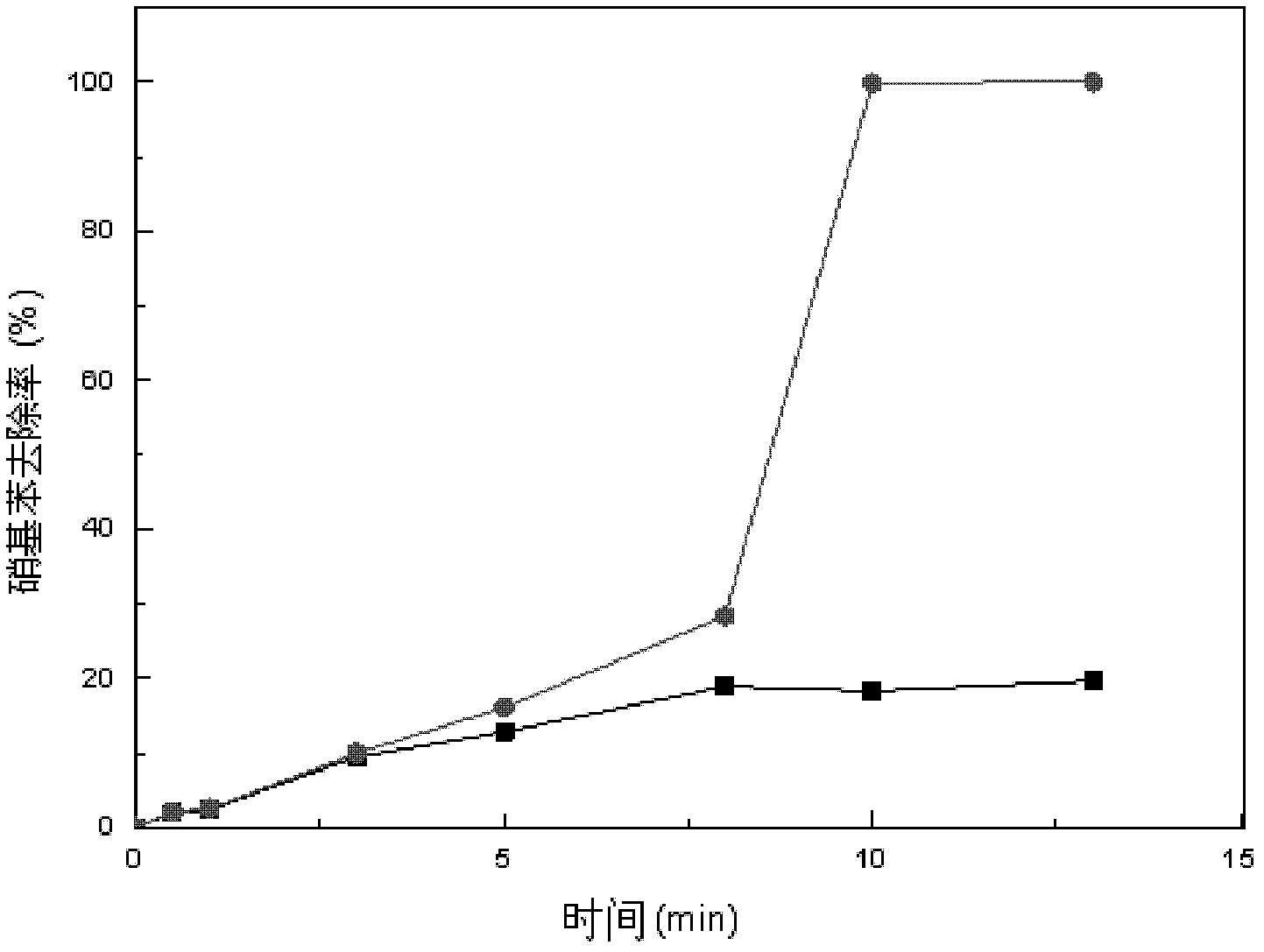
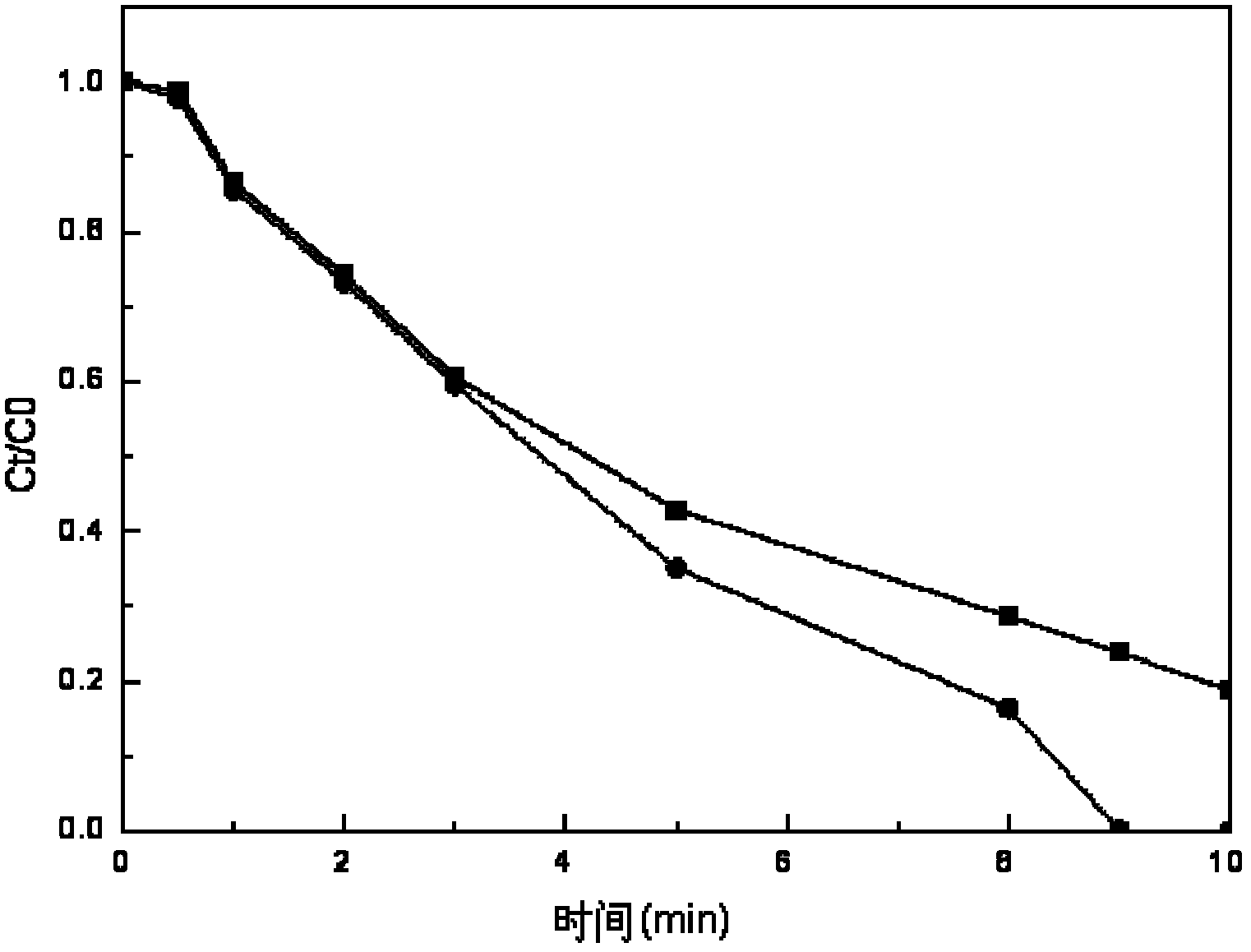
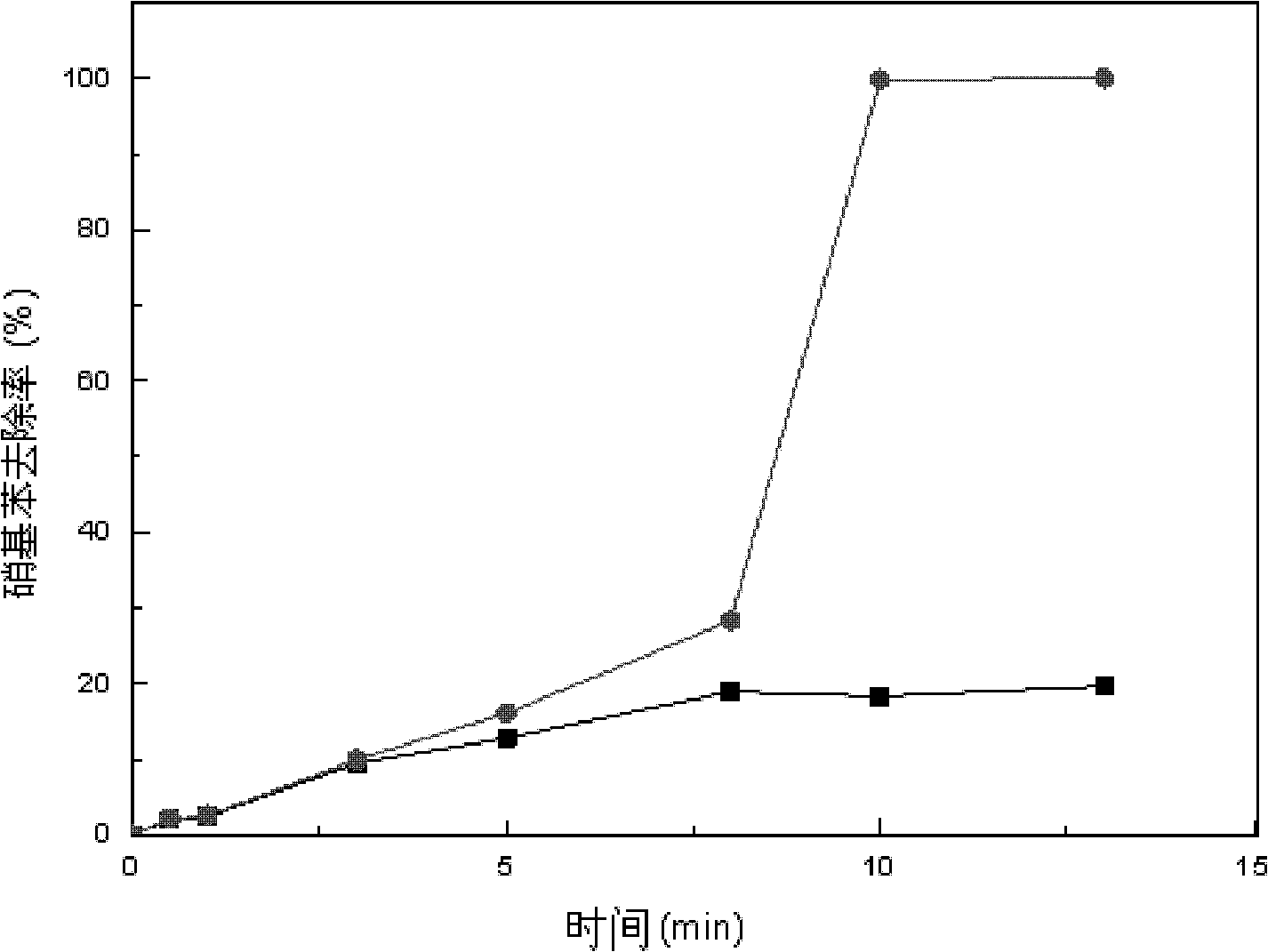
Examples
specific Embodiment approach 1
[0029] Specific Embodiment 1: This embodiment is a method for gradient ozone catalytic oxidation to degrade organic pollutants in water. It is to sequentially combine two or three of the following three treatment methods, and use the gradient change of ozone concentration to affect the water body. Realized by oxidation treatment, the first treatment method is O 3 processed separately, the second processing method is O 3 Enhanced catalytic oxidation process; the third treatment method is O 3 / UV process;
[0030] Among them, the first processing method O 3 The treatment method for separate treatment is: adding O to the water body 3 treatment to control the O dosage in the water body 3 The concentration of water is 0.5~30mg / L, and the water retention time is 0.5~30min;
[0031] The second treatment method O 3 The treatment method of the enhanced catalytic oxidation process is: adding O to the water body 3 , and adding O 3 at the same time or add O 3 Afterwards, strength...
specific Embodiment approach 2
[0038] Embodiment 2: This embodiment differs from Embodiment 1 in that the water body is drinking water, sewage secondary sedimentation tank effluent, groundwater, seawater, reused reclaimed water, industrial water or domestic water. Other steps and parameters are the same as those in Embodiment 1.
specific Embodiment approach 3
[0039] Specific embodiment three: the difference between this embodiment and specific embodiment one or two is that in the first processing mode, the second processing mode and the third processing mode, O 3 The dosing method is in the form of ozone gas or ozone water. Other steps and parameters are the same as those in Embodiment 1 or Embodiment 2.
[0040] In this embodiment, ozone is added at one time or at multiple points in stages. The concentration range of the added ozone gas is 1% to 100%.
PUM
 Login to View More
 Abstract
Description
Claims
Application Information
 Login to View More