Artificial optimized culture method for sea squirt, microalgae and stichopus japonicus

A cultivation method and sea squirt technology are applied in the field of artificial optimization of sea squirt-microalgae-sea cucumber cultivation, and can solve problems such as lack of technical methods and the like

CN102870709AInactive Publication Date: 2013-01-16YANTAI UNIV
0 Cites 4 Cited by

Patent Information

Authority / Receiving Office
CN · China
Patent Type
Applications(China)
Current Assignee / Owner
Publication Date
2013-01-16
Estimated Expiration
Not applicable · inactive patent

Smart Images

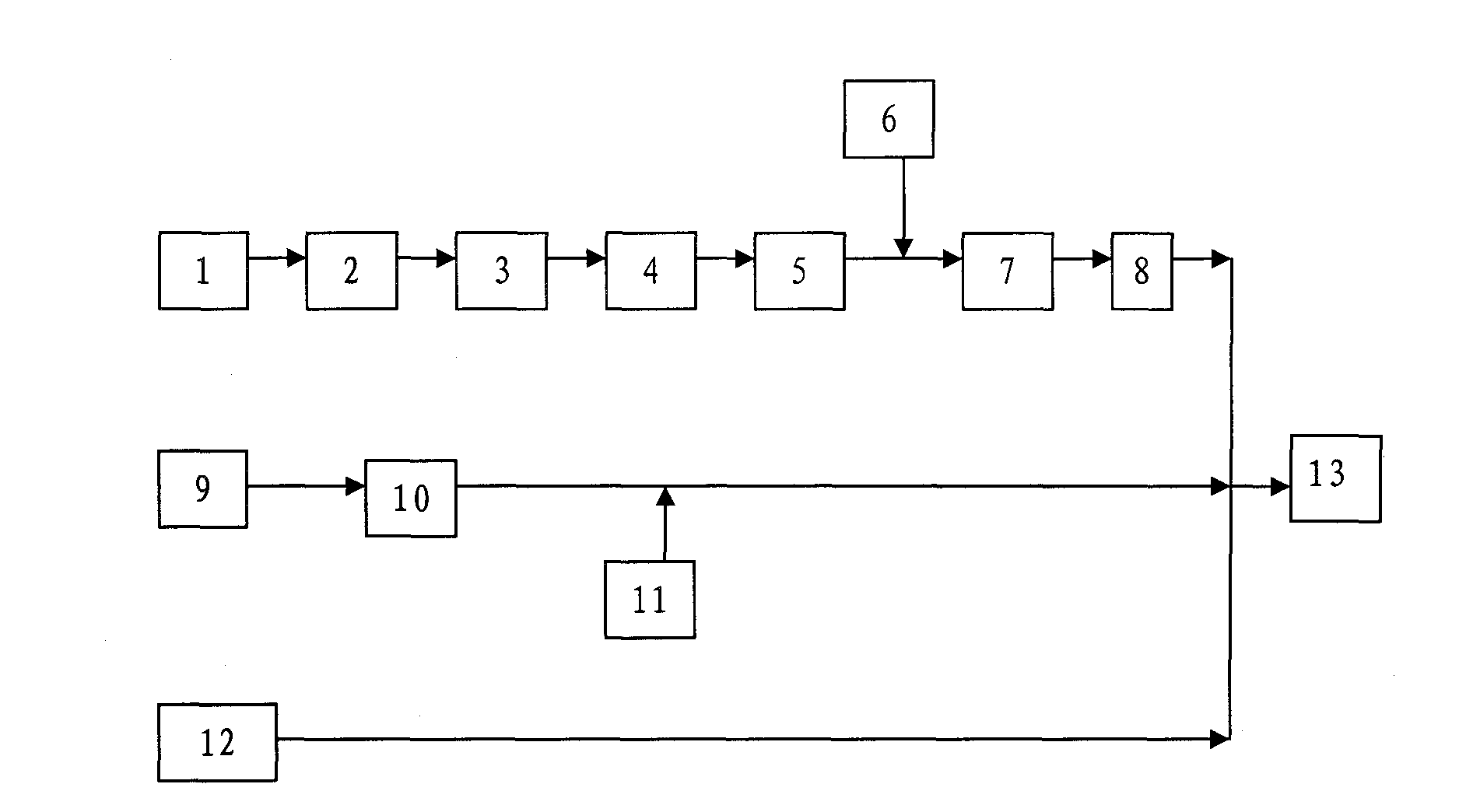
  • Figure 1
    Figure 1
Patent Text Reader

Abstract

The invention relates to an artificial optimized culture method for sea squirts, microalgae and stichopus japonicus. The artificial optimized culture method for sea squirts, microalgae and stichopus japonicus is a bio-remediation technology for realizing self-purification of a culture water body and a sustainable marine product culturing method by utilizing a biological mutual benefit mechanism of a seawater polyculture system. The bait microalgae are inoculated in culture seawater; and the stichopus japonicus and the sea squirts are put into the culture water body with increased microalgae biomass. The inorganic nutritive salt in the seawater is converted into the microalgae biomass through the bioconversion of the microalgae so as to provide abundant bait for cultured organisms and simultaneously increase the concentration of dissolved oxygen in the water body. The sea squirts filtrate a large amount of sea water to remove grains and excess microalgae in the water body and settle a large quantity of aqueous layer particulate organic matters into a substrate in the form of feces and false faces. The demersal stichopus japonicus with a detritus food habit ingest the organic debris, benthic diatoms and microorganisms in the substrate so as to improve a substrate environment and reduce water body pollution. The artificial optimized culture method for sea squirts, microalgae and stichopus japonicus utilizes the polyculture system to promote the culture proliferation of the stichopus japonicus, carry out the self-purification and remediation of the culture water body, and realize the sustainable development of stichopus japonicus culture industry.
Need to check novelty before this filing date? Find Prior Art

Description

(1) Technical field

[0001] The present invention relates to a sea squirt-microalgae-stichopus artificially optimized breeding method, which is a biological mutual benefit mechanism utilizing sea squirts, microalgae and sea cucumbers, and biologically transforming inorganic nutrients and organic matter in seawater into sea cucumbers, sea squirts and Microalgae biomass, self-purification and restoration of the cultured waters, and a method for realizing the sustainable development of seawater japonicus artificial culture. (2) Background technology

[0002] my country is a big country in marine life breeding. With the rapid development of the offshore aquaculture industry, a large amount of organic and inorganic waste is produced, resulting in eutrophication of seawater, resulting in an increase in the area and frequency of red tide outbreaks every year, seriously endangering the mariculture industry and the marine ecological environment.

[0003] It is urgent to solve the pro...

Examples

Embodiment 1

[0019] Common ginseng pond culture in sea area

[0020] 1) Collect sea squirts (1) in the Chlamys scallop culture area. When collecting, pay attention to remove them together with the attachment base to avoid damage to the sea squirts. Temporary cultivation in the sea squirt holding pond (2), the water temperature is 15-18°C, and the breeding density is 100-300 tails / m 3 , feed microalgae bait twice a day, and keep continuous light. During breeding, the water body needs to be filled with air. Mature sea squirt fertilized eggs (3) are collected, and hatched into sea squirt tadpole larvae (5) in a sea squirt hatching tank (4), and the hatching temperature is 18-22°C. A nylon rope (6) is hung in the hatching tank, and the larvae are attached to the nylon rope within 24-48 hours after hatching. When the sea squirt larva grows to 0.5-2.5cm, the nylon rope (7) that is attached to the sea squirt is moved into the water body volume and is 2.5m 3 Cultivation in the aquarium (8) of ...

Embodiment 2

[0029] Mesh enclosure culture in sea area

[0030] 1) Collect sea squirts (1) in the Chlamys farreri breeding area. When collecting, pay attention to remove them together with the attachment base to avoid damage to the sea squirts. Temporary cultivation in the sea squirt holding pond (2), the water temperature is 15-18°C, and the breeding density is 200 fish / m 3 , feed microalgae bait twice a day, and keep continuous light. During breeding, the water body needs to be filled with air. Mature sea squirt fertilized eggs (3) are collected, and hatched into sea squirt tadpole larvae (5) in a sea squirt hatching tank (4), and the hatching temperature is 18-22°C. A nylon rope (6) is hung in the hatching tank, and the larvae are attached to the nylon rope within 24-48 hours after hatching. When the sea squirt larva grows to 0.5-2.5cm, the nylon rope (7) that is attached to the sea squirt is moved into the water body volume and is 2.5m 3 Cultivation in the aquarium (8) of 1.5m * 1....