
Reduced graphene oxide-based-composites for the purification of water
A technology of graphene and oxides, applied in nanotechnology for materials and surface science, other chemical processes, water/sewage treatment, etc., can solve problems such as cumbersome methods
- Summary
- Abstract
- Description
- Claims
- Application Information
AI Technical Summary
Problems solved by technology
Method used
Image

Examples
Embodiment
[0078] The examples that follow are provided to provide complete disclosure and description to those of ordinary skill in the art as to how to make and evaluate the compounds, compositions, articles, devices and / or methods claimed herein, and are intended to serve as a complete disclosure of the present invention. example, and in no way limits the scope of the inventors' contemplated inventions. Efforts have been made to ensure accuracy with respect to quantities (eg, amounts, temperature, etc.), but some errors and deviations should be accounted for. Unless indicated otherwise, parts are parts by weight, temperature is in °C or is at ambient temperature, and pressure is at or near atmospheric.
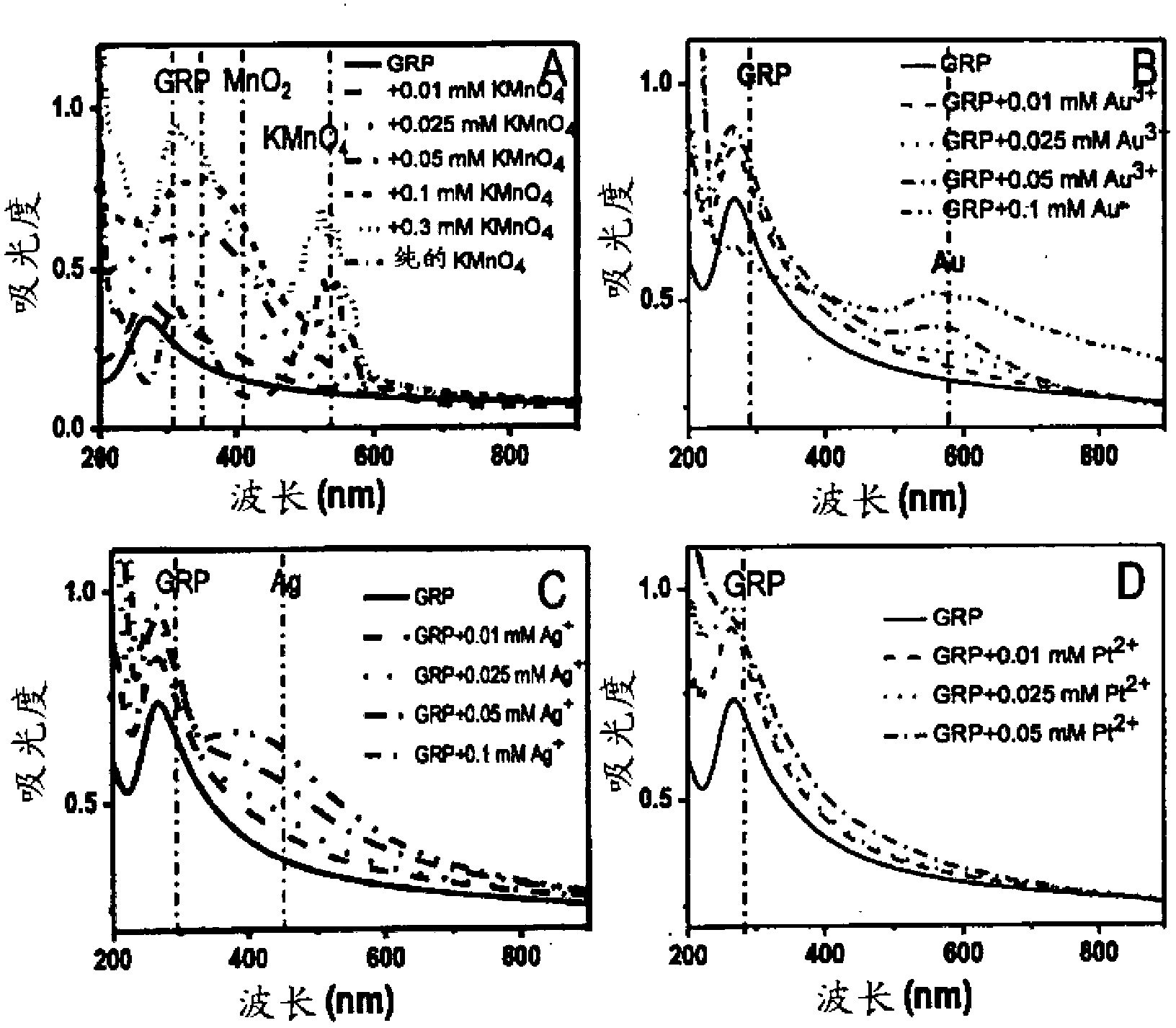
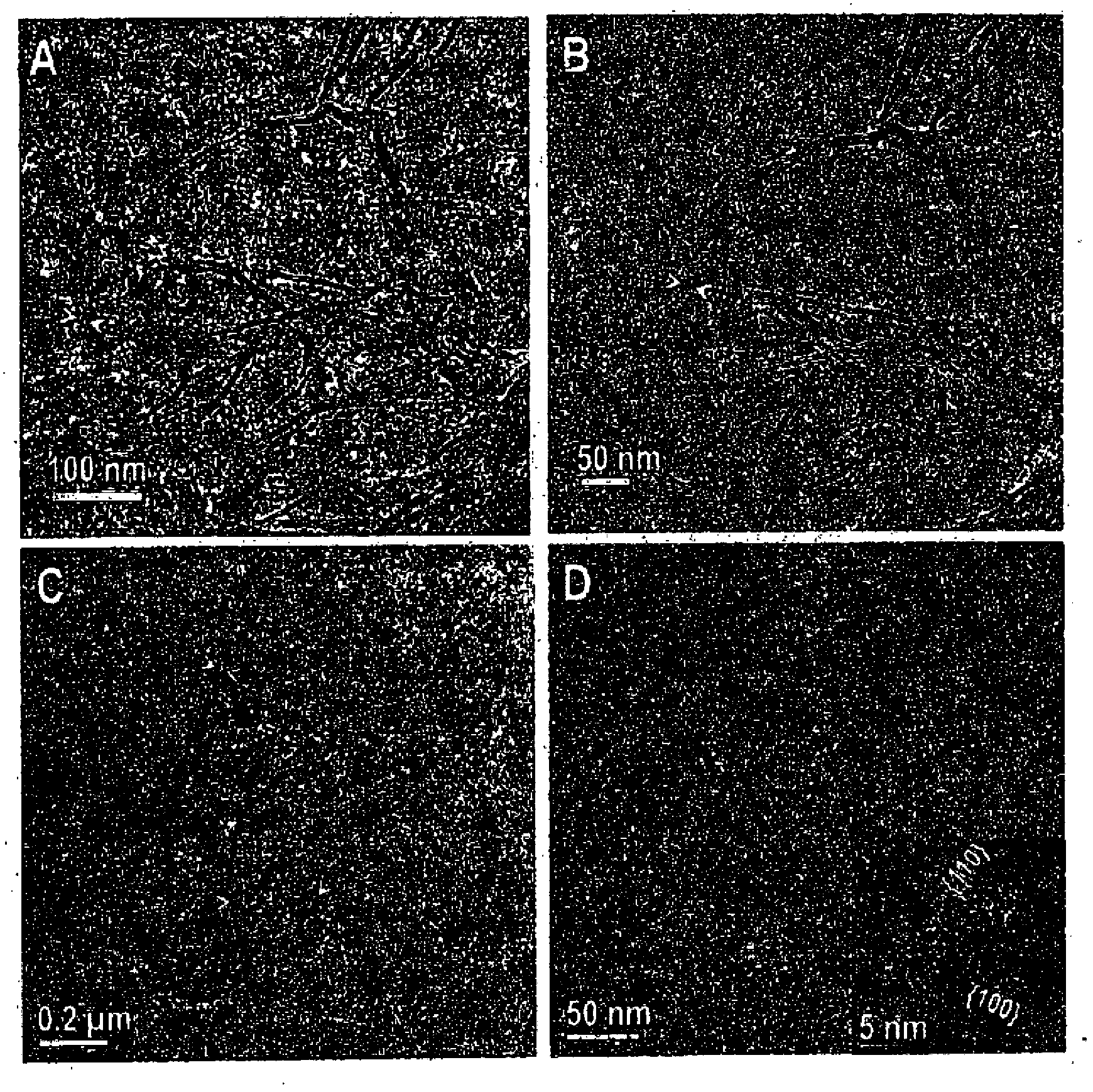
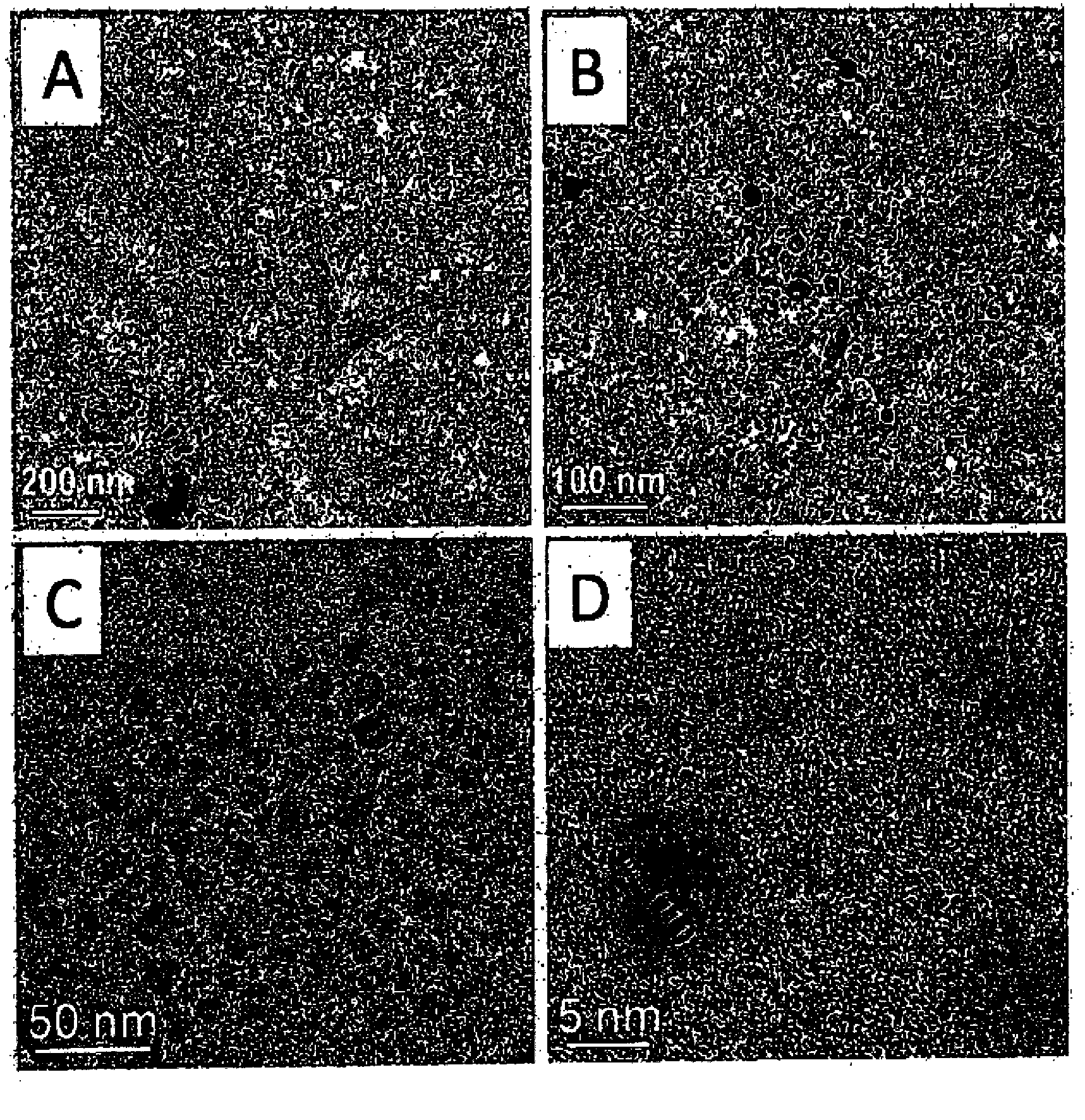
[0079] 1. Preparation of RGO-metal / metal oxide nanocomposites
[0080] An exemplary preparation of GO from graphene powder is based on a modified Hummers method reported by Kovtyukhova et al. (Hummers, W.S., Offeman, R.E., Preparation of graphitic oxide. J. Am. Chem. Soc. 1958, 80 ,...
PUM
| Property | Measurement | Unit |
|---|---|---|
| diameter | aaaaa | aaaaa |
| diameter | aaaaa | aaaaa |
| width | aaaaa | aaaaa |
Abstract
Description
Claims
Application Information
 Login to View More