
Method for detecting embedded software dynamic memory
A technology of embedded software and dynamic memory, applied in the field of cross-testing, can solve problems such as affecting the utilization of system resources, and achieve the effect of ensuring resource utilization, improving utilization, and saving processing time
- Summary
- Abstract
- Description
- Claims
- Application Information
AI Technical Summary
Problems solved by technology
Method used
Image

Examples
Embodiment Construction
[0044] The present invention is implemented on an embedded development platform. The embedded development involves a development machine and an embedded platform. The development machine is called (Service), and the embedded platform is called a target machine (Client).
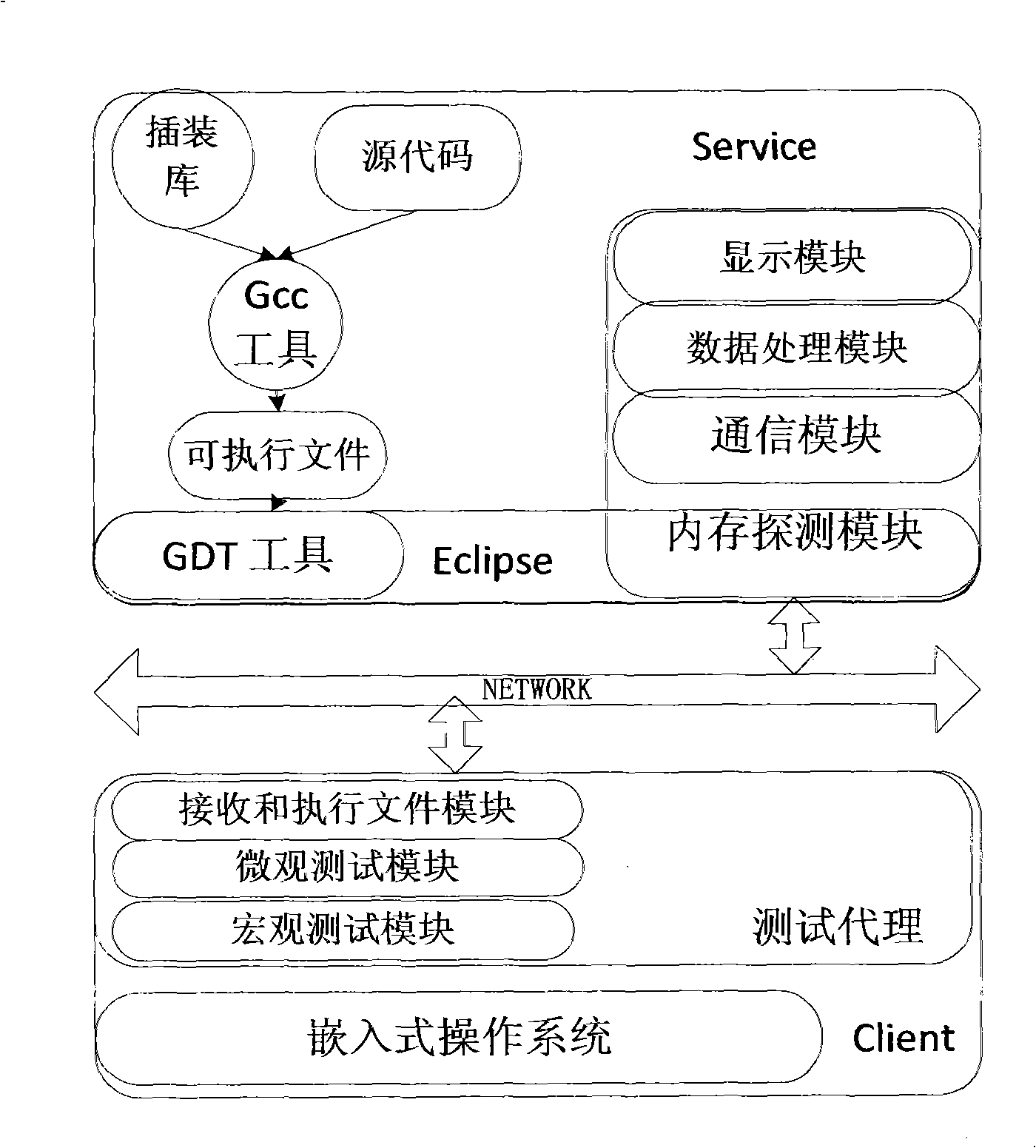
[0045] attached figure 1 The overall architecture of the embedded software dynamic memory detection tool, which shows the various modules of the Service end and Client end. The Service mainly includes the memory detection module and the instrumentation library; the Client mainly includes the test agent. The specific analysis is as follows:
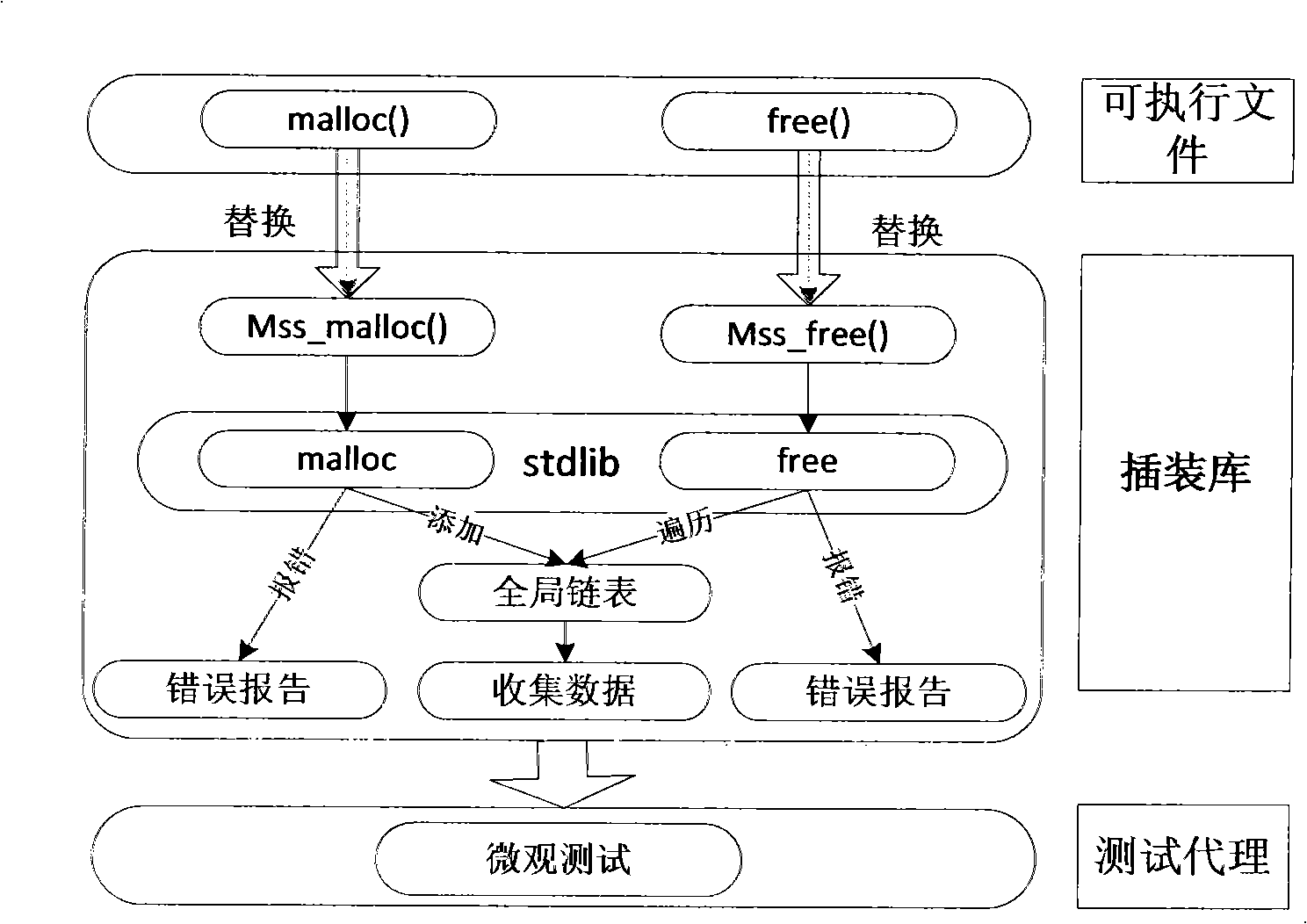
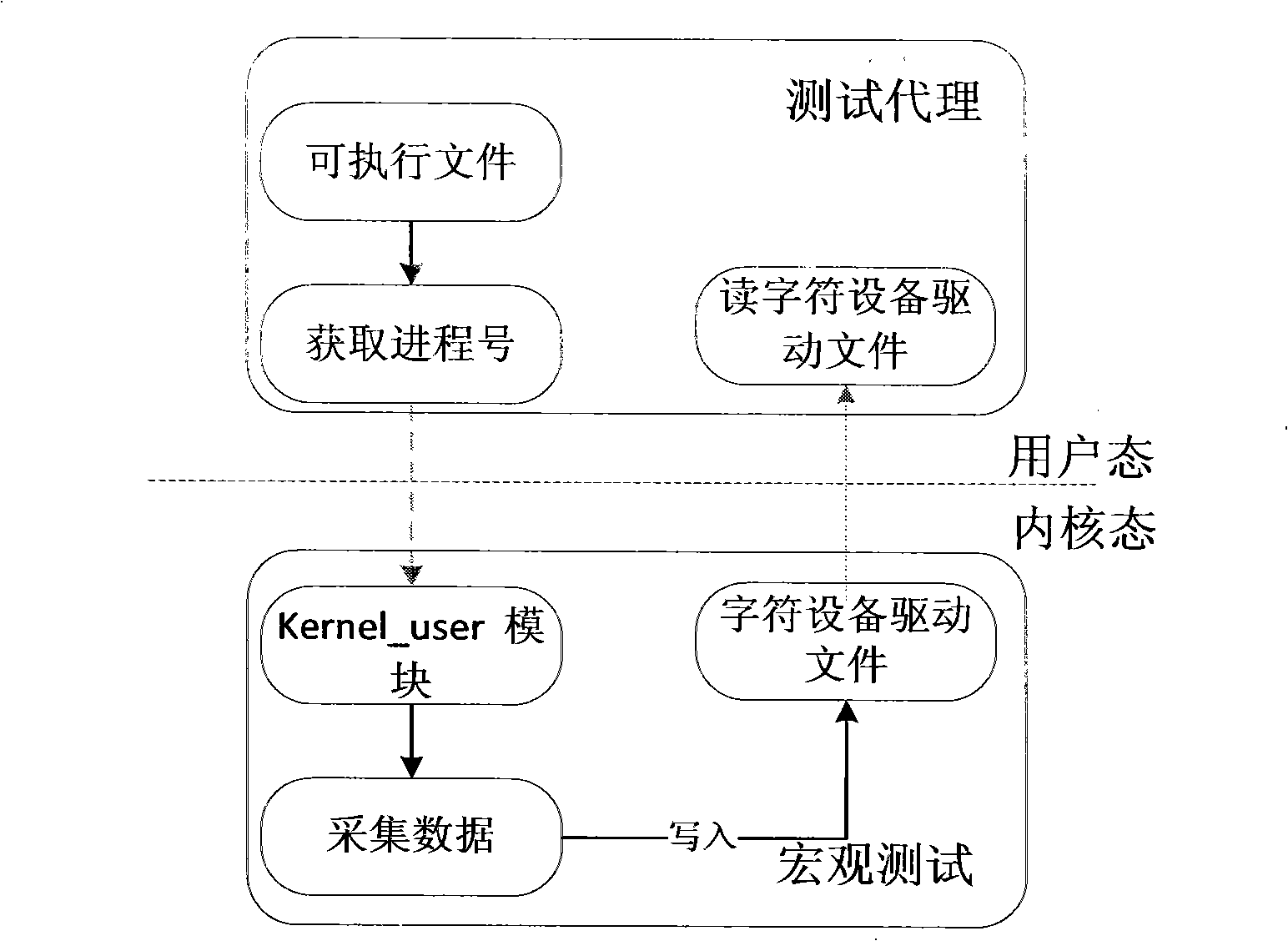
[0046] The source code and instrumentation library on the Service are cross-compiled to generate executable files through the compilation chain. The instrumentation library here is mainly for the statistics of the micro-test module of the test agent. Although this module is on the Service, its specific application is still for The micro-test collection data of the test ...
PUM
 Login to View More
 Abstract
Description
Claims
Application Information
 Login to View More