

Method and system for implementing bandwidth resource dynamic distribution in point-to-multi-point optical network
A technology for dynamic allocation of bandwidth resources, applied in transmission systems, digital transmission systems, data exchange networks, etc., can solve the problems of low packet loss rate, image interruption, and high bandwidth requirements
Inactive Publication Date: 2009-04-15
ZTE CORP
View PDF0 Cites 10 Cited by
- Summary
- Abstract
- Description
- Claims
- Application Information
AI Technical Summary
Problems solved by technology
Different broadband value-added services have different bandwidth requirements. For example, services such as Internet access and downloading have relatively low bandwidth requirements. Even if a short-term network interruption occurs, users will hardly notice it and can bear it; voice services are rela
Method used
the structure of the environmentally friendly knitted fabric provided by the present invention; figure 2 Flow chart of the yarn wrapping machine for environmentally friendly knitted fabrics and storage devices; image 3 Is the parameter map of the yarn covering machine
View moreImage
Smart Image Click on the blue labels to locate them in the text.
Smart ImageViewing Examples

Examples
Experimental program
Comparison scheme
Effect test
 Login to View More
 PUM
 Login to View More
 Abstract
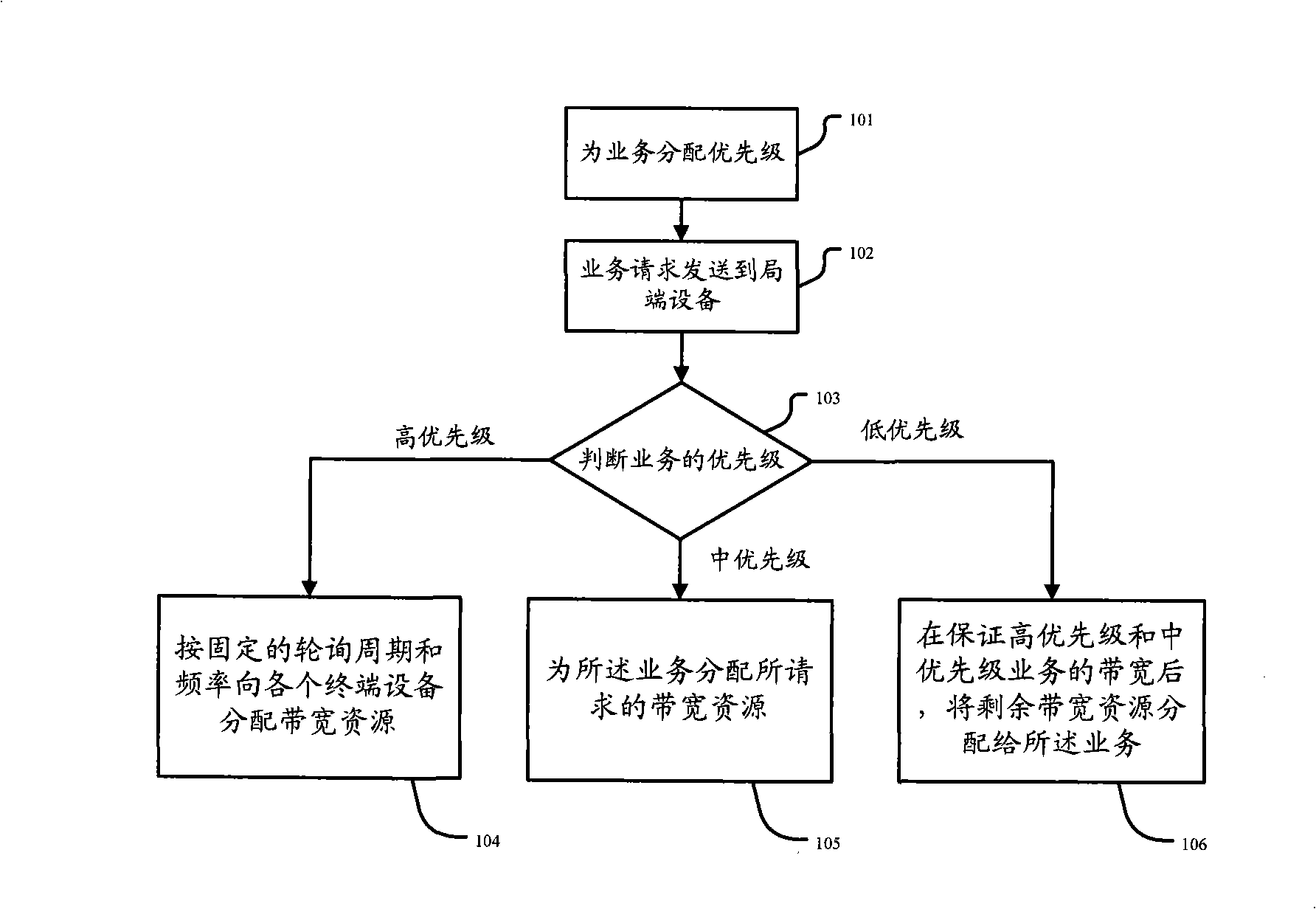
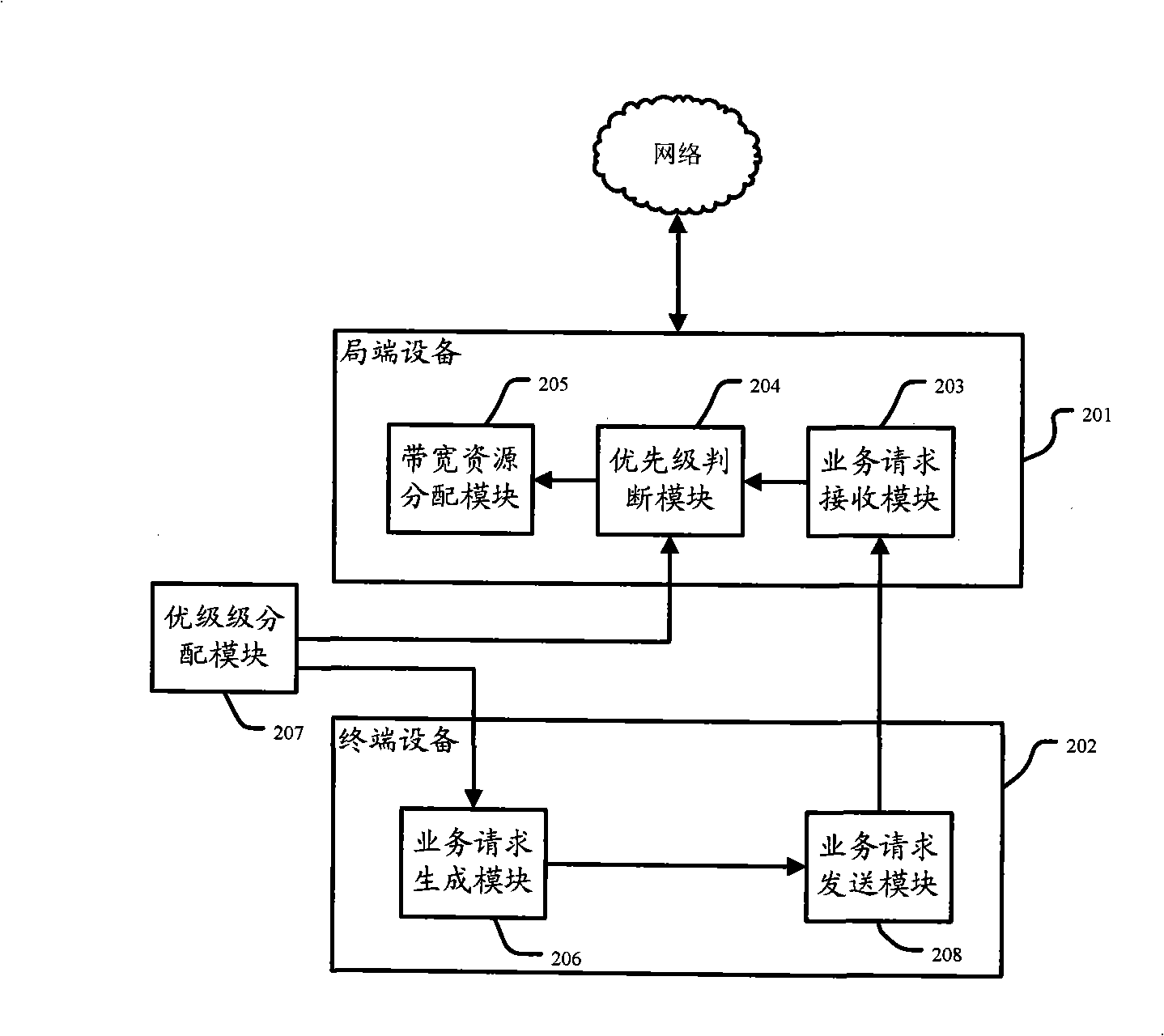
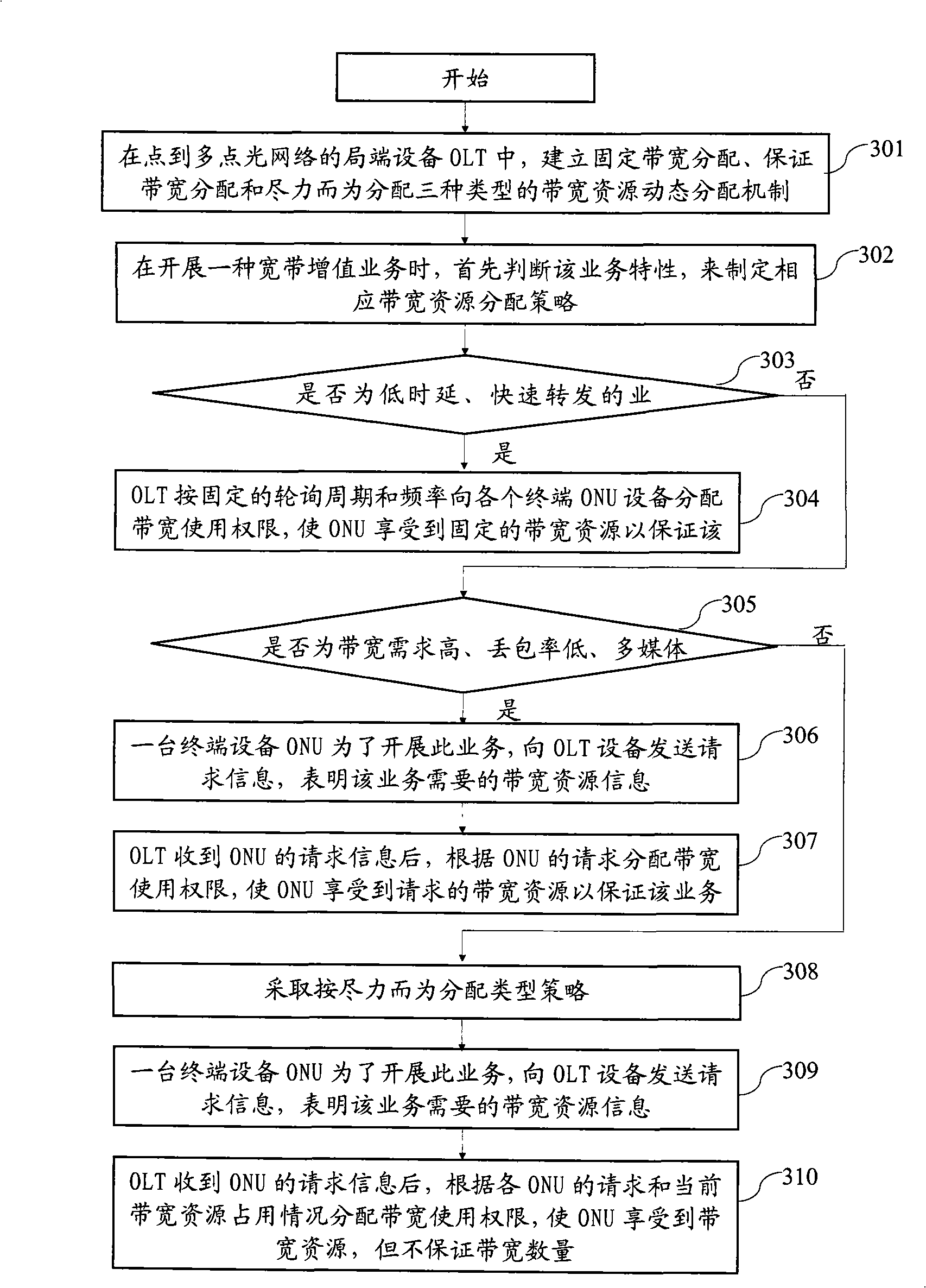
The invention relates to a method for realizing bandwidth resource dynamic allocation in a point-multipoint optical network and a system thereof. The invention provides three types of bandwidth resource dynamic allocation mechanisms, namely fixed bandwidth allocation, bandwidth ensuring allocation and best effort allocation, for service development of the point-multipoint optical network. Three strategies can be provided respectively for developing wideband value-added services with different priorities and different service levels, so as to ensure that different types of wideband value-added services can be simultaneously supported under the condition of limited bandwidth resource, thereby effectively expanding wideband value-added service.
Description
technical field [0001] The present invention relates to the field of point-to-multipoint optical network communication technology, in particular to the application of broadband value-added services in point-to-multipoint optical networks, and specifically to a method and system for realizing dynamic allocation of bandwidth resources in point-to-multipoint optical networks . Background technique [0002] Optical network is commonly referred to as optical fiber network, and its transmission medium is optical fiber. In an ordinary network, the data signal is carried by electricity, and 0 and 1 are distinguished by the voltage level, while in an optical network, the data is carried by a laser, and the laser transmitter emits lasers of different intensities to distinguish 0 and 1. and 1. Since ordinary twisted-pair wires use electrical signals, the transmission distance is limited. For example, the theoretical maximum transmission distance of Category 5 wires is about 100 meter...
Claims
the structure of the environmentally friendly knitted fabric provided by the present invention; figure 2 Flow chart of the yarn wrapping machine for environmentally friendly knitted fabrics and storage devices; image 3 Is the parameter map of the yarn covering machine
Login to View More Application Information
Patent Timeline
 Login to View More
 IPC IPC(8): H04L12/56H04L12/28H04B10/12H04L47/80
Inventor马润斌
OwnerZTE CORP