
Use of polyphenols from pomegranate flowers in preparation of medicaments for treating non-alcoholic fatty liver
A pomegranate flower polyphenol, non-alcoholic technology is applied in the field of use of pomegranate flower polyphenol in the preparation of a medicine for treating non-alcoholic fatty liver, and can solve the problems of aggravating fat accumulation and liver function damage and the like
Inactive Publication Date: 2013-10-30
XINJIANG MEDICAL UNIV
View PDF2 Cites 0 Cited by
- Summary
- Abstract
- Description
- Claims
- Application Information
AI Technical Summary
Problems solved by technology
[0006] Patients with non-alcoholic fatty liver often have liver dysfunction, and most of the commonly used drugs in clinical treatment are metabolized in the liver, so long-term use may aggravate fat accumulation and liver function damage
Method used
the structure of the environmentally friendly knitted fabric provided by the present invention; figure 2 Flow chart of the yarn wrapping machine for environmentally friendly knitted fabrics and storage devices; image 3 Is the parameter map of the yarn covering machine
View moreImage
Smart Image Click on the blue labels to locate them in the text.
Smart ImageViewing Examples

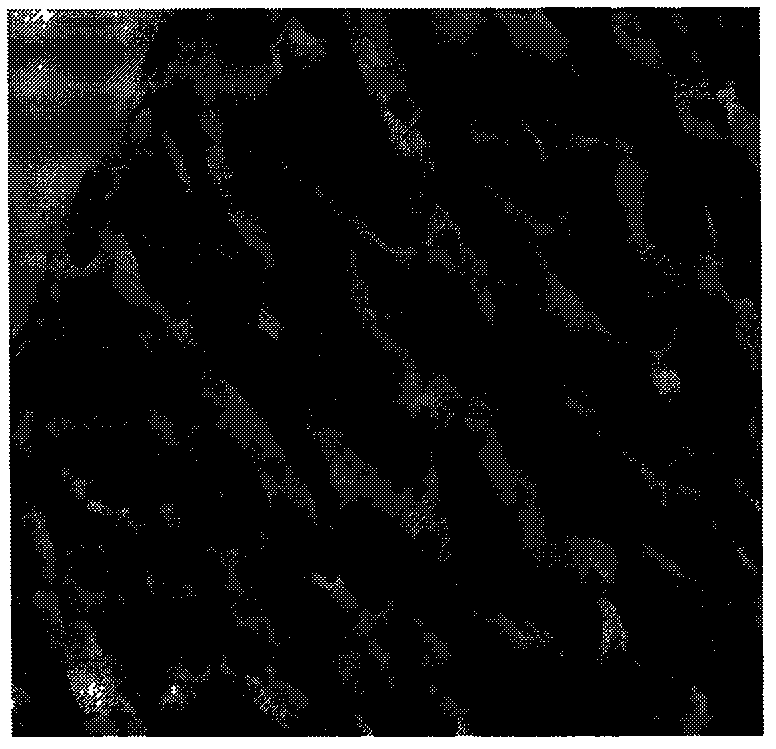
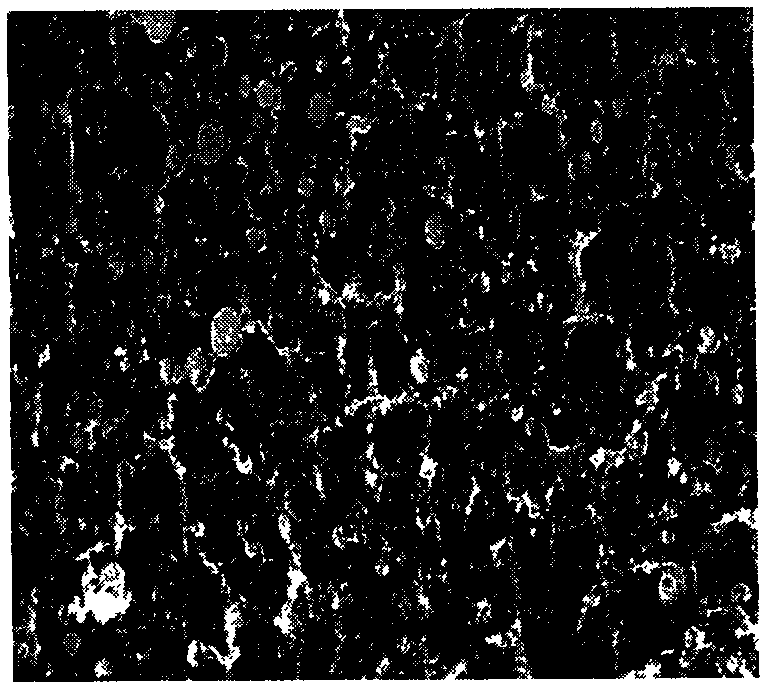
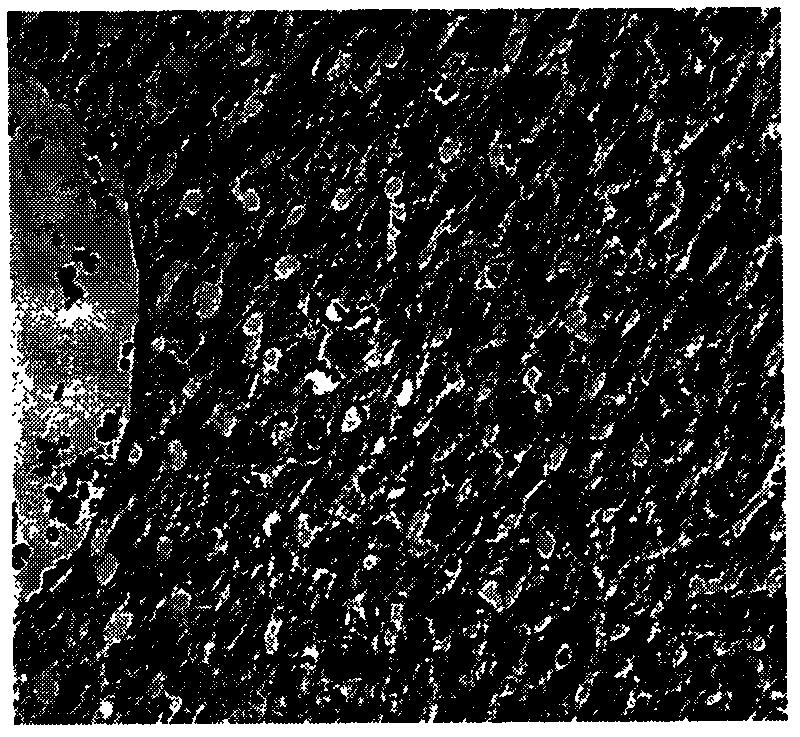
Examples
Experimental program
Comparison scheme
Effect test
Embodiment
[0027] The use of pomegranate flower polyphenols described in the present invention, the use of the pomegranate flower polyphenols in the preparation of medicines for treating non-alcoholic fatty liver, the specific steps are:
the structure of the environmentally friendly knitted fabric provided by the present invention; figure 2 Flow chart of the yarn wrapping machine for environmentally friendly knitted fabrics and storage devices; image 3 Is the parameter map of the yarn covering machine
Login to View More PUM
 Login to View More
 Abstract
The invention relates to a user of polyphenols from pomegranate flowers in the preparation of medicaments for treating non-alcoholic fatty liver. A large number of experiments prove that the polyphenols from the pomegranate flowers can obviously reduce rat serum Flns (fluorescence line-narrowing spectroscopy) and IRI (insulin resistance index), delay the first hit in two-hit theory, play a role in preventing further denaturation, putrescence and fibrosis of liver, significantly increase the expression of PON1 (paraoxonase 1) in rat liver tissues, increase the content of HDL (high density lipoprotein) and improve the oxidative stress state in rat bodies.
Description
technical field [0001] The invention relates to the use of pomegranate flower polyphenols in the preparation of medicines for treating non-alcoholic fatty liver. Background technique [0002] With the improvement of living standards, changes in lifestyle and changes in diet structure, the incidence of metabolic diseases is increasing year by year. Among them, diabetes and non-alcoholic fatty liver disease are more common. At present, non-alcoholic fatty liver disease (NAFLD) has been paid more and more attention, but its pathogenesis is still unclear. The "second hit" theory proposed by Day in 1998 believes that various inducements cause insulin resistance (IR), that is, the first hit. Insulin resistance can promote increased peripheral lipolysis, hyperinsulinemia, and increased hepatic fat accumulation. At the same time, it increases the sensitivity of liver cells to damaging factors. The second blow is that factors such as oxidative stress and lipid peroxidation furthe...
Claims
the structure of the environmentally friendly knitted fabric provided by the present invention; figure 2 Flow chart of the yarn wrapping machine for environmentally friendly knitted fabrics and storage devices; image 3 Is the parameter map of the yarn covering machine
Login to View More Application Information
Patent Timeline
 Login to View More
 Patent Type & AuthorityPatents(China)
IPC IPC(8): A61K36/185A61P1/16A61K133/00
Inventor魏媛媛阿吉艾克拜尔·艾萨帕尔哈提·克热木闫冬程路峰何雯曲姗姗阿依仙木·加帕尔马晓玲
OwnerXINJIANG MEDICAL UNIV