
Temperature sensing material for cold chain tracking
A technology of sensing materials and cold chain, applied in thermometers, thermometers with physical/chemical changes, measuring devices, etc., can solve problems such as batch outbreaks, many responsible parties, and long incubation periods
- Summary
- Abstract
- Description
- Claims
- Application Information
AI Technical Summary
Problems solved by technology
Method used
Image

Examples
Embodiment 1
[0071] Provide a smart article code that produces a color reaction at -63.5°C: the indicator includes iodine-containing solid particles, and the iodine-containing solid particles are ground from iodine in chloroform solution after quick freezing at -80°C , the developer includes starch. The principle is that when the ambient temperature is -63.5°C, chloroform melts, and iodine is precipitated at this time, thereby enabling a color reaction to occur with starch.
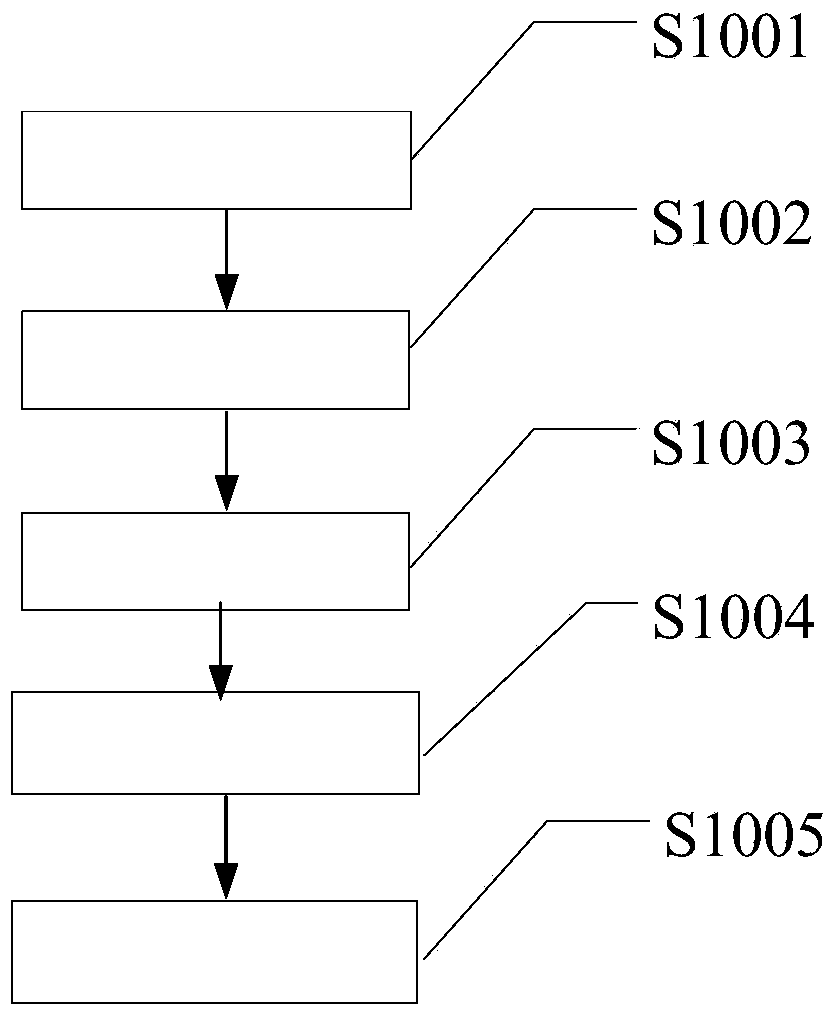
[0072] according to figure 1 Shown is a method for making a temperature change identification area in a temperature-sensitive smart item code for cold chain tracking according to a preferred embodiment of the present invention, the making of a temperature-sensitive smart item code for cold chain tracking method, including the steps in turn:
[0073] S1001 Make a chloroform solution of iodine: the melting point of chloroform is -63.5°C, at a temperature higher than the melting point of chloroform (such as -60°C), dis...
Embodiment 2
[0082] A code for an intelligent article that produces a color reaction at -10°C is provided: the indicator includes ice crystals of sodium chloride solution, and the color developer includes anhydrous copper sulfate. The principle is that when the ambient temperature is -10°C, sodium chloride melts, and water precipitates out at this time, so that a color reaction can occur with anhydrous copper sulfate.
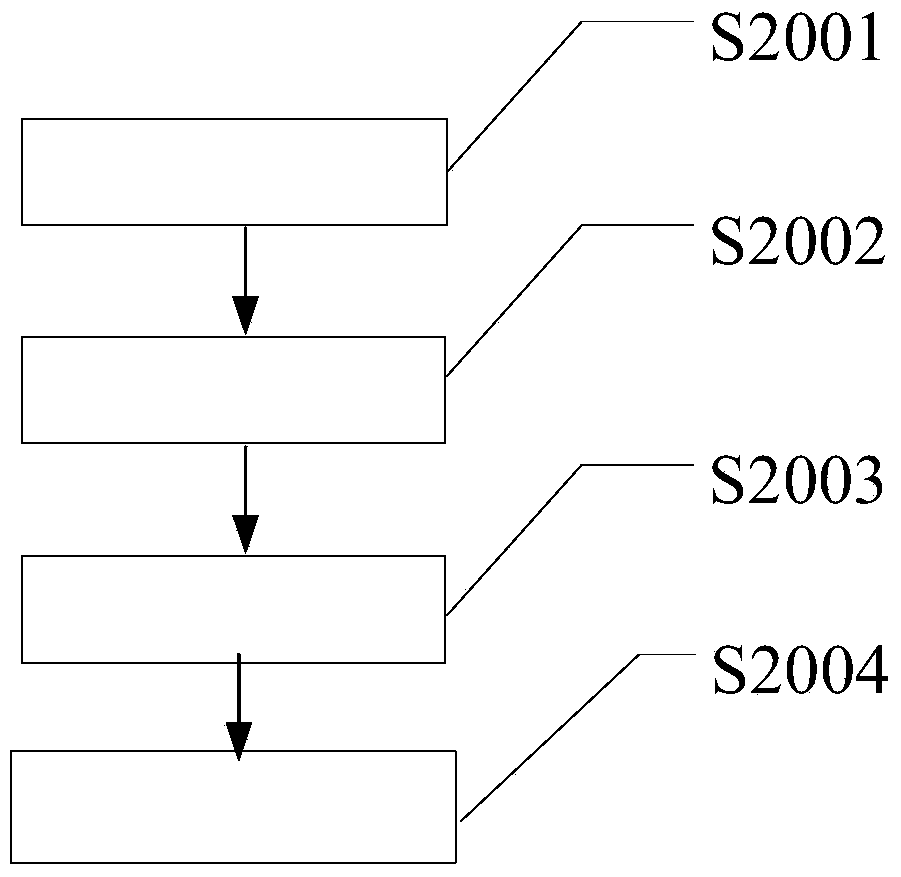
[0083] according to figure 2 Shown is a method for making a temperature change identification area in a temperature-sensitive smart item code for cold chain tracking according to a preferred embodiment of the present invention, the making of a temperature-sensitive smart item code for cold chain tracking method, including the steps of:
[0084] S2001 Steps for making sodium chloride solution: Mix analytically pure sodium chloride and distilled water to prepare a 0.1mol / l sodium chloride solution.
[0085] Steps of S2002 quick-freezing and grinding: quick-freeze the sodiu...
Embodiment 3
[0090] An intelligent article code that undergoes a color reaction at 0°C is provided: the indicator includes ice crystals, and the ice crystals are ground from ice cubes at an ambient temperature lower than 0°C. The color developer includes any one of the following: anhydrous copper sulfate, color-changing silica gel and basic fuchsin.
[0091] Basic fuchsin is a green metallic crystal, soluble in ethanol and amyl alcohol, slightly soluble in water, the solution is red, insoluble in ether; the maximum absorption wavelength (in ethanol) is 543nm (ε93000).
[0092] Color-changing silica gel is to add some inorganic salts with crystal water and a small amount of silicon dichloride, such as cobalt salt, to silica gel. When there is no water, the state is blue when it loses crystal water, and when it absorbs water, it is pink when it is crystal water. Color-changing silica gel can be recycled. When there is a color change, it can be baked in a drying oven to return to an anhydro...
PUM
| Property | Measurement | Unit |
|---|---|---|
| diameter | aaaaa | aaaaa |
| density | aaaaa | aaaaa |
| melting point | aaaaa | aaaaa |
Abstract
Description
Claims
Application Information
 Login to View More