

Semantic matching and retrieval of standardized entities
a technology of standardized entities and matching pairs, applied in the field of standardized entity matching and matching pairs, can solve the problems of large data sets, large memory, computational resources, time, and difficulty in scaling and/or meeting latency requirements, and the use of complex machine learning models presents additional challenges in online environments
- Summary
- Abstract
- Description
- Claims
- Application Information
AI Technical Summary
Benefits of technology
Problems solved by technology
Method used
Image

Examples
Embodiment Construction
[0013]The following description is presented to enable any person skilled in the art to make and use the embodiments, and is provided in the context of a particular application and its requirements. Various modifications to the disclosed embodiments will be readily apparent to those skilled in the art, and the general principles defined herein may be applied to other embodiments and applications without departing from the spirit and scope of the present disclosure. Thus, the present invention is not limited to the embodiments shown, but is to be accorded the widest scope consistent with the principles and features disclosed herein.
Overview
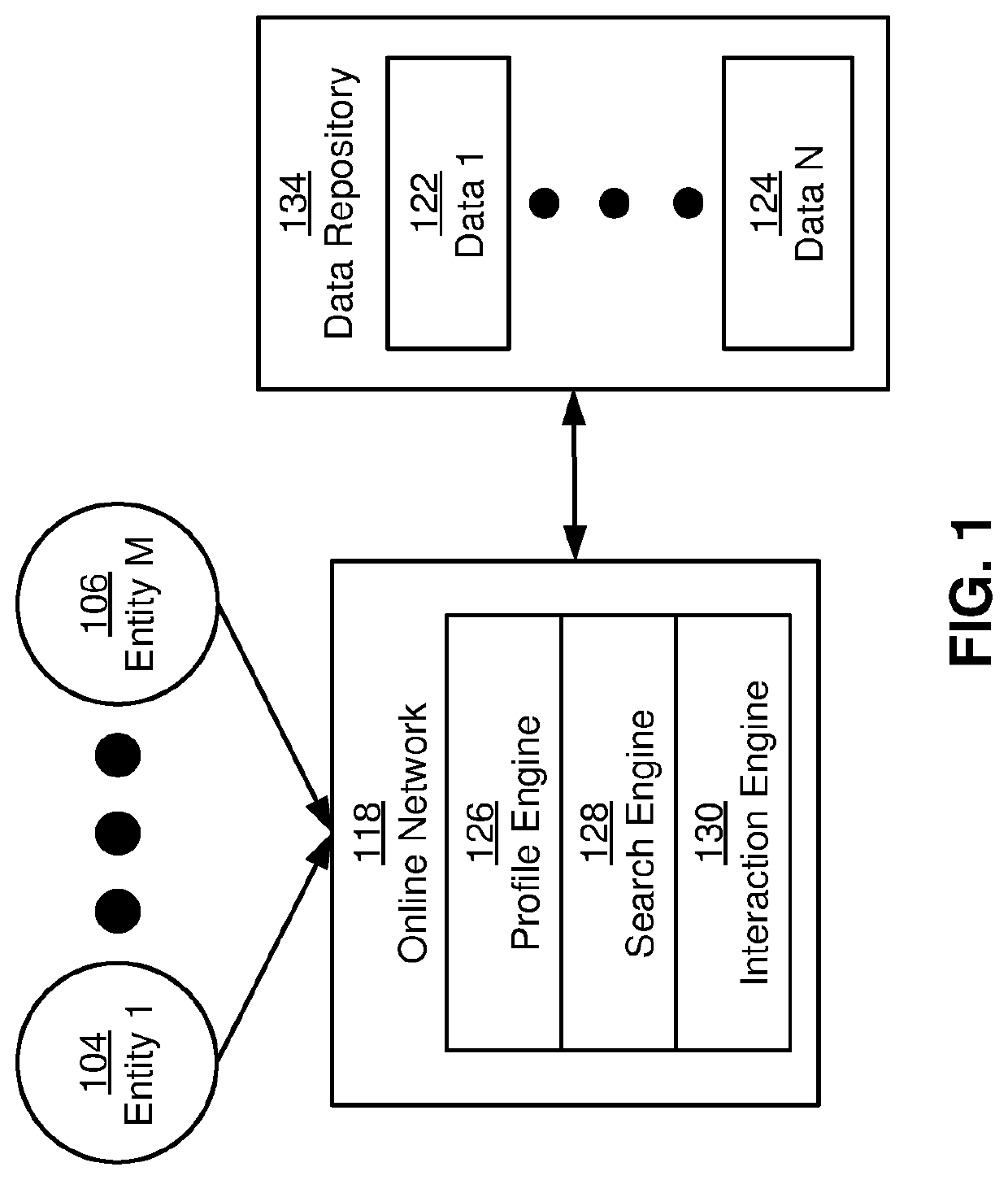
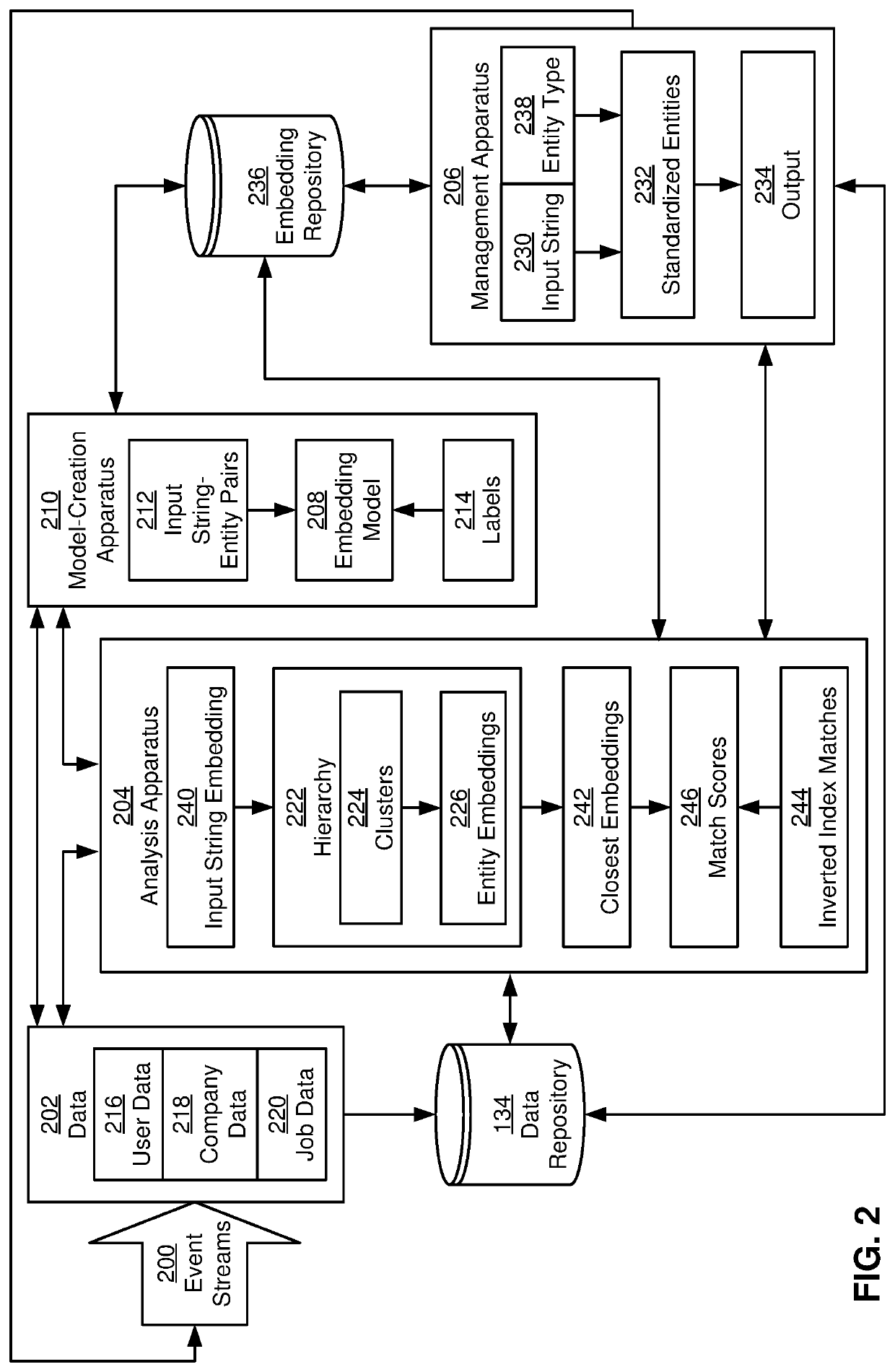
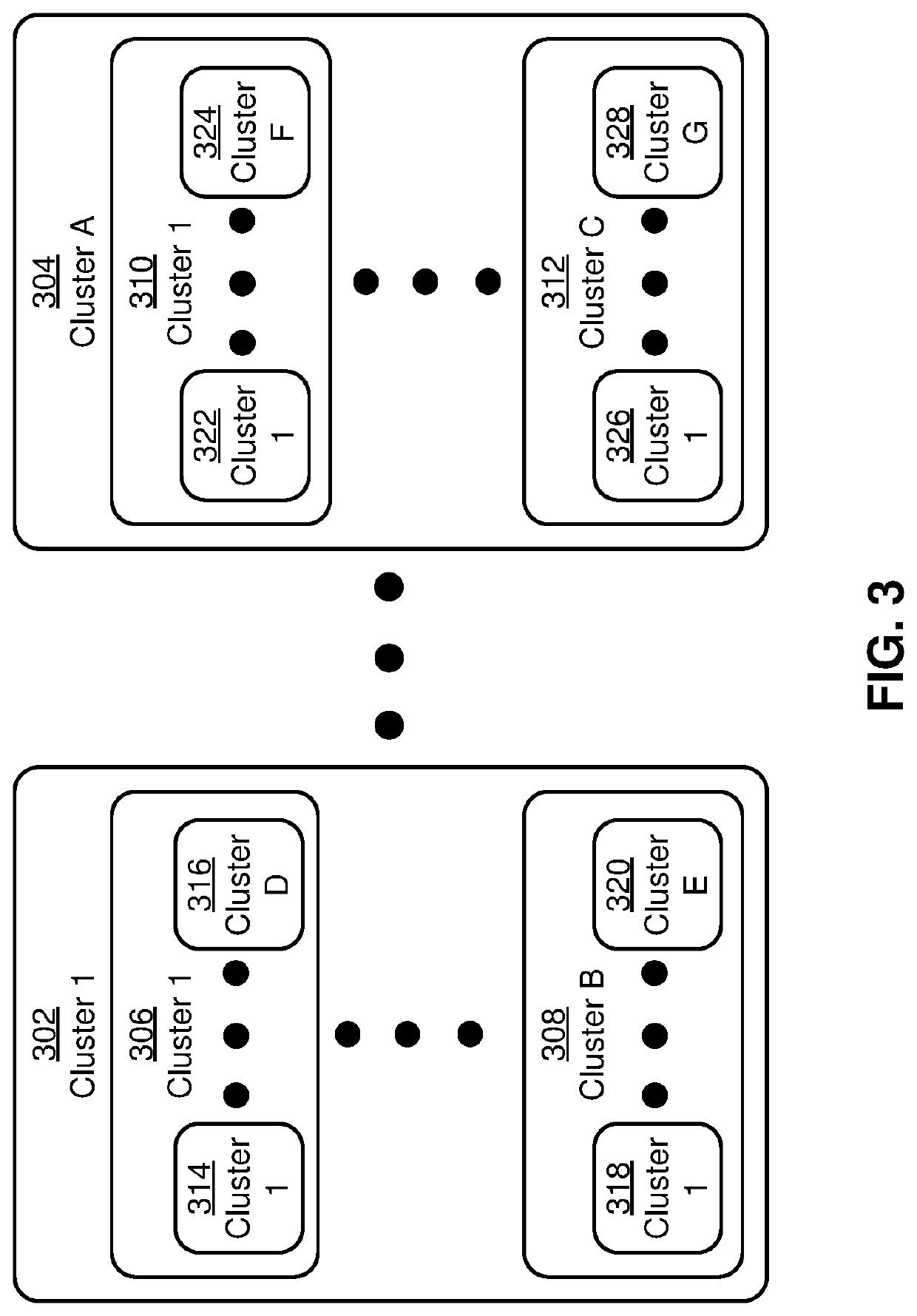
[0014]The disclosed embodiments provide a method, apparatus, and system for matching input strings to standardized entities. Each input string includes a user-generated text-based representation of an entity such as a company, industry, location, skill, title, seniority, and / or group. This user-generated representation may differ from a standardize...
PUM
 Login to View More
 Abstract
Description
Claims
Application Information
 Login to View More