
Anti-Streptomyces fy57 and its application in the preparation of trypsin inhibitors
A technology of trypsin inhibition and anti-streptomyces, applied in the field of trypsin inhibitors, can solve the problems of limited raw materials, reduced drug efficacy, high temperature resistance, etc., achieve broad application prospects, good storage stability, and good thermal stability Effect
Patent Information
- Authority / Receiving Office
- CN · China
- Patent Type
- Patents(China)
- Current Assignee / Owner
- Publication Date
- 2019-09-03
Smart Images
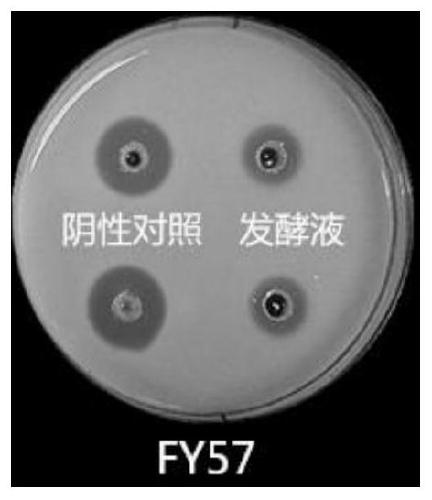
Figure 1 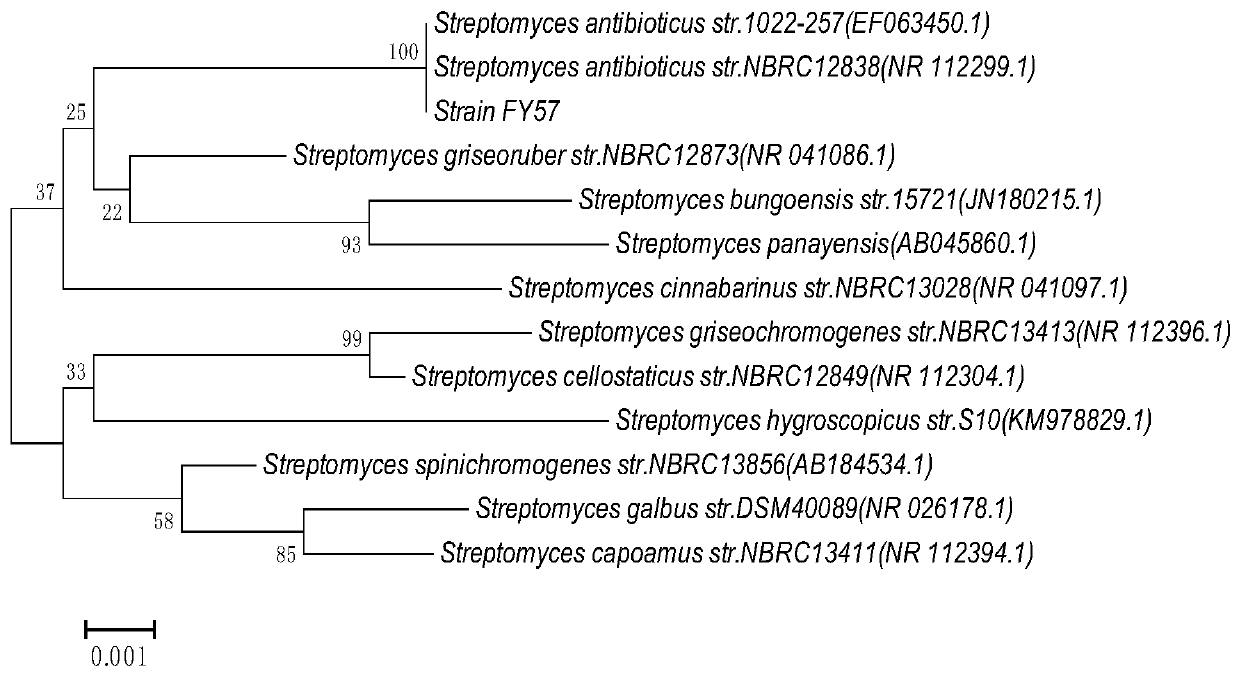
Figure 2 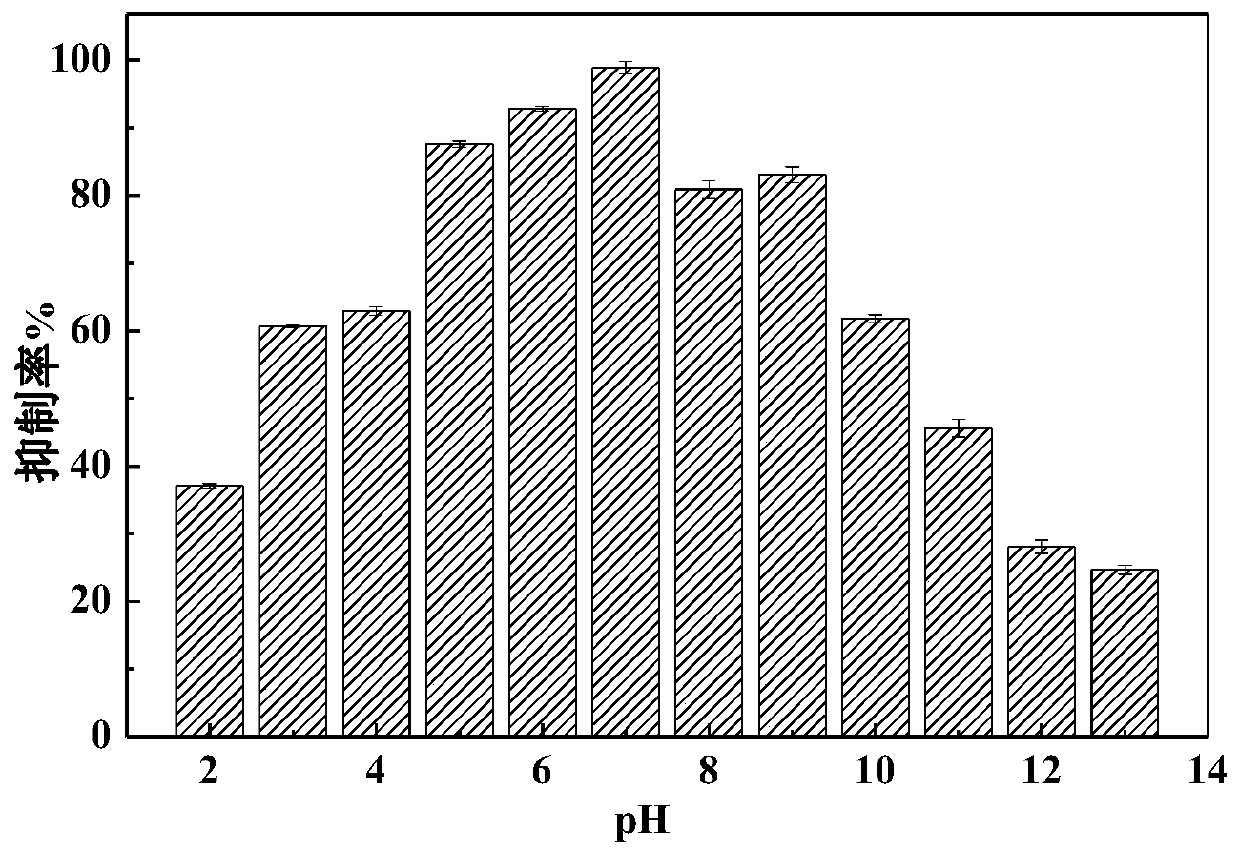
Figure 3
Abstract
Description
[0001] (1) Technical field
[0002] The invention relates to a trypsin inhibitor, in particular to a method for preparing the trypsin inhibitor by using marine-sourced antibiotic streptomyces.
[0003] (2) Background technology
[0004] Trypsin is a serine protease that is an essential component of the human digestive system. The trypsinogen secreted by the pancreas enters the small intestine, where it is hydrolyzed by enterokinase to form trypsin, which degrades proteins to produce small molecule peptides and amino acids, providing essential nutrients for the human body. However, when trypsinogen is activated in the pancreas, it will lyse the pancreas by itself and cause pancreatitis, causing irreversible tissue damage. In addition to being secreted in the pancreas, trypsin is also present in small amounts in cells of the skin, kidney, liver, brain and immune system. Trypsin is involved in various physiological and pathological processes in the human body, and abnormal activ...
Examples
Embodiment 1
[0034] Embodiment 1: the screening and identification of anti-streptomyces FY57 bacterial classification
[0035] (1) Strain screening
[0036] ①The source of the strain: isolated and screened from the sea mud of Xiamen Gulangyu Island (24.45°N, 118.07°E);
[0037] ②Separation and screening of strains: collect sea mud from the sea area of Gulangyu Island, Xiamen (24.45°N, 118.07°E) 50cm below sea level, put it in a sterile sample bottle and bring it to the laboratory, then weigh 10g of sea mud sample, add to In 90mL of sterile seawater, the concentration is 10 after mixing -1 The samples were then serially diluted to a concentration of 10 according to conventional methods -2 、10 -3 、10 -4 、10 -5 、10 -6 Samples; 100 μL of samples of different concentrations were applied to the marine Gouer solid medium (the final concentration consisted of: soluble starch 10g / L, K 2 HPO 4 0.02g / L, MgSO 4 ·7H 2 O 0.02g / L, FeSO 4 ·7H 2 O 0.01g / L, sea salt 25g / L, agar 25g / L, solvent...
Embodiment 2
[0057] Example 2 Trypsin Inhibitor
[0058] (1) Slant culture: inoculate Streptomyces spp. FY57 on the slant culture medium, cultivate at 25°C for 5 days, and obtain slant bacteria. The final concentration of the slant medium is composed of: soluble starch 10g / L, K 2 HPO 4 0.02g / L, MgSO 4 ·7H 2 O 0.02g / L, FeSO 4 ·7H 2 O 0.01g / L, sea salt 25g / L, agar 25g / L, solvent is water, pH7.5;
[0059] (2) Seed culture: pick an inoculation loop strain from the slant and inoculate it into the seed medium, cultivate it at 25°C and 200rpm for 5 days to obtain the seed liquid, and the final concentration of the seed medium is composed of: soluble starch 10g / L , K 2 HPO 4 0.02g / L, MgSO 4 ·7H 2 O 0.02g / L, FeSO 4 ·7H 2 O0.01g / L, sea salt 25g / L, solvent is water, pH7.5;
[0060] (3) Fermentation culture: inoculate the seed solution to the fermentation medium with an inoculation amount of 2% volume concentration, cultivate for 7 days at 25° C. at a rotating speed of 200 rpm, and obtain...
Embodiment 3
[0061] Embodiment 3: BAPNA method measures the inhibitory rate of inhibitor to bovine trypsin
[0062] The fermentation supernatant prepared in Example 2 was set up as three groups to measure the inhibition rate, which were sample group (100 μL 100 μg / mL bovine trypsin solution+100 μL bacterial strain FY57 fermentation supernatant) and negative control (100 μL 100 μg / mL bovine trypsin solution). Trypsin solution + 100 μL Tris-HCl buffer solution of pH 8) and the sample control group (100 μL strain FY57 fermentation supernatant); all three groups of experiments were reacted at 37°C for 10min, then added 250μL BAPNA, and reacted at 37°C for 20min ; then add 100 μL of 30% acetic acid aqueous solution to terminate the reaction, and incubate at 37°C for 10 minutes; add 100 μL of 100 μg / mL bovine trypsin solution to the sample control group; Dilute 3 times with sterile water, and measure the absorbance of p-nitroaniline at 410nm.
[0063] Calculation of trypsin inhibition rate: The...