Method for recognizing dynamic parameter of electrical system non-invasive induction motor dynamic parameter

A technology of induction motors and dynamic parameters, which is applied in the direction of motor generator testing, etc., can solve the problems of unfavorable on-site measurement, inability to provide special test signals conveniently, time-consuming and labor-intensive problems, etc.

CN101038327AInactive Publication Date: 2007-09-19TIANJIN UNIV
0 Cites 17 Cited by

Patent Information

Authority / Receiving Office
CN · China
Current Assignee / Owner
Publication Date
2007-09-19
Estimated Expiration
Not applicable · inactive patent

Smart Images

  • Figure 1
    Figure 1
  • Figure 2
    Figure 2
  • Figure 3
    Figure 3
Patent Text Reader

Abstract

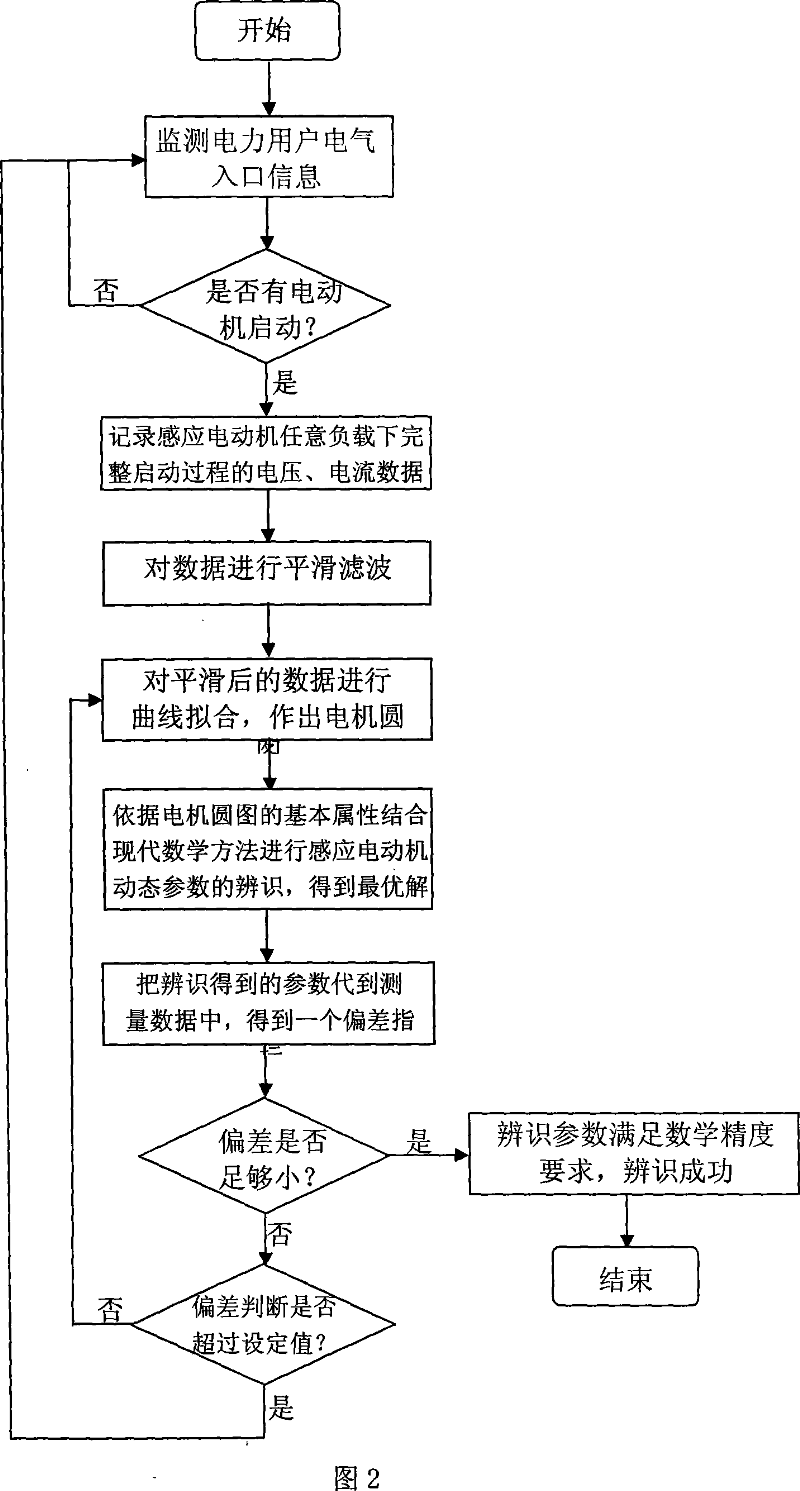
A dynamic parameter identifying method for electric system non-invasive induction motor, including the steps as below: under no influences to the electric user, monitor and detect the electrical information of electric loads, if any induction motors put into operation, go to the next step, otherwise continue to monitor and detect; record the terminal voltage, and current data during the whole starting process of induction motor under any loads; fulfill the filtering of measured voltage, and current data, and the data smoothing; draw the pie chart of motor according to the smoothed data; and identify the parameters of induction motor according to the basic properties of motor pie chart and combined with the modern mathematic methods to optimize the parameters, and calculate the rotary speed of motor at the steady-state operating point according to the calculated parameters; calculate the deviation indexes of parameters; determine whether the deviation indexes meet with the specified standards, until all deviation indexes up to the relevant standards. The invention adopts the non-invasive parameter identification method, only through the current, and voltage information at the electrical inlet of loads, the service conditions and relevant dynamic parameters of user's induction motor may be obtained.
Need to check novelty before this filing date? Find Prior Art

Description

technical field

[0001] The invention relates to a parameter identification method of an induction motor in a power system. In particular, it relates to a non-intrusive induction motor dynamic parameter of a power system in which the power supply party does not need to intrude into the interior of the power user, but can obtain the use of the power user's induction motor and the corresponding dynamic parameters based on the current and voltage information at the electrical entrance of the load. identification method. Background technique

[0002] Power system dynamic simulation is an irreplaceable tool for studying the dynamic characteristics of the entire power system, and is the basis for power system design, planning, and operation. The research shows that the load dynamic parameters have an important influence on the dynamic characteristics of the power system, and the excessive roughness of the load model is one of the main factors restricting the improvement of the sim...

Examples

Embodiment Construction

[0036] The method for identifying dynamic parameters of a non-intrusive induction motor in a power system according to the present invention will be described in detail below with reference to the accompanying drawings and embodiments.

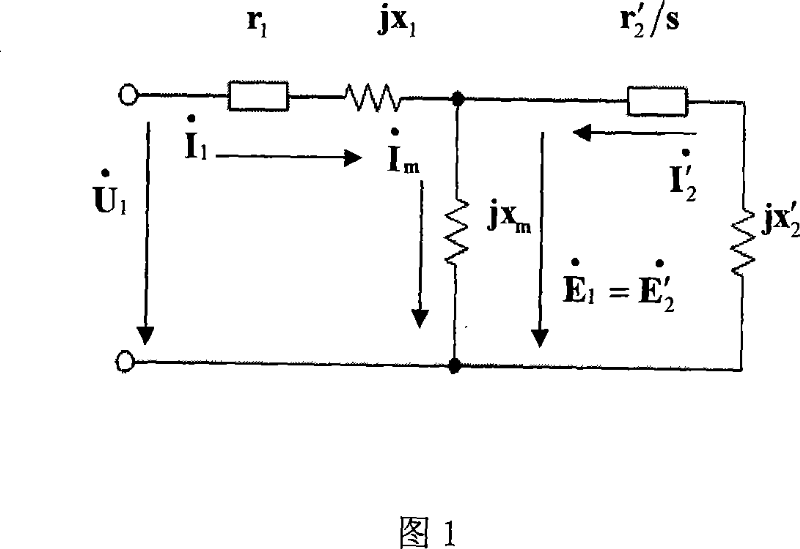
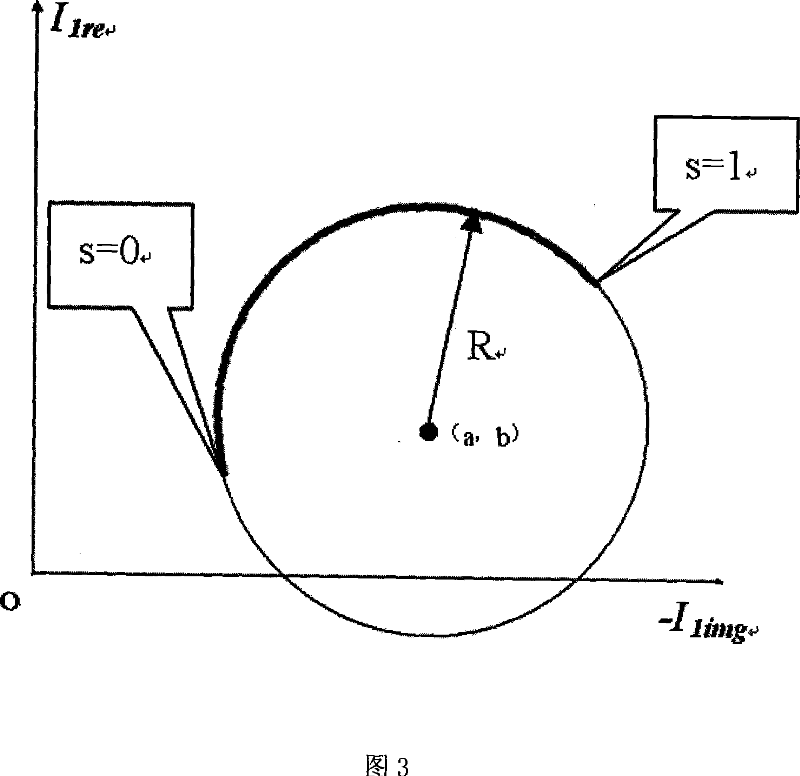
[0037] The non-intrusive induction motor dynamic parameter identification method proposed by the present invention is used in the research of accurate load modeling and parameter identification of the power system, as shown in Figure 1 and Figure 2, taking the Y100L2-4 induction motor as an example, The details are as follows:

[0038] Step 1: Monitor the electrical information of the power load without affecting the normal use of power users. If an induction motor is put into operation, enter the second step, otherwise continue monitoring; Under the current situation, the monitoring of electric load electrical information adopts a non-intrusive method, and only the current and voltage information at the electrical entrance of the load can be ...