
Semi-nested RT-PCR detection method of canine astrovirus
A technology of RT-PCR and detection method, which is applied in the field of half-set RT-PCR detection of canine astrovirus, can solve the problems of specificity and sensitivity limitations, achieve specificity and sensitivity improvement, shorten the detection cycle, Overcoming the effect of long detection cycle
- Summary
- Abstract
- Description
- Claims
- Application Information
AI Technical Summary
Problems solved by technology
Method used
Image

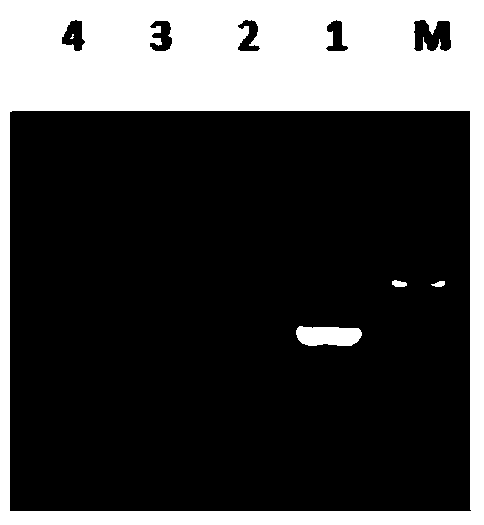
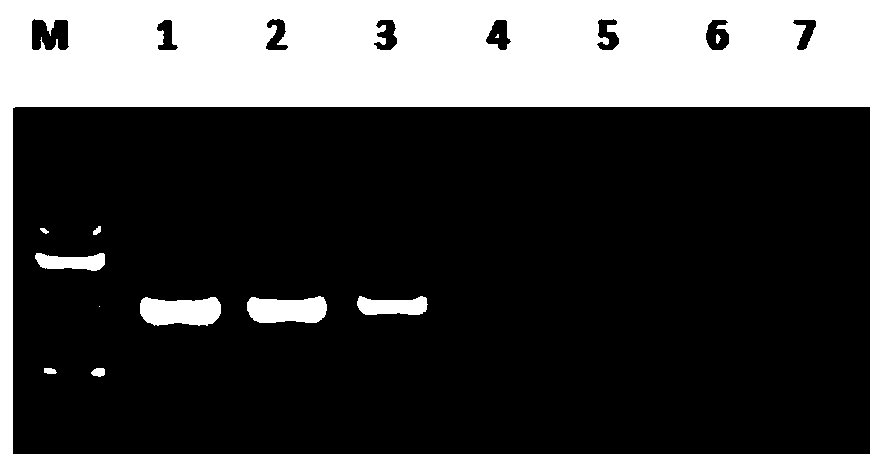
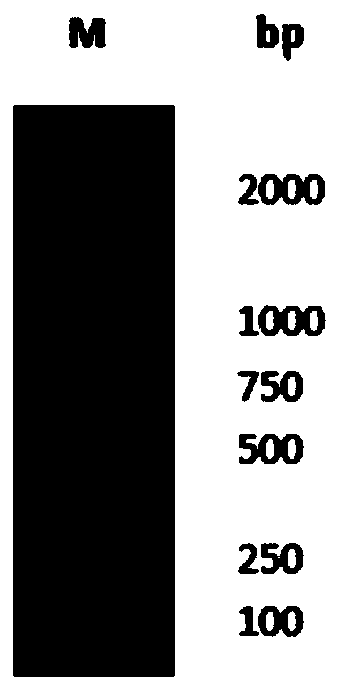
Examples
Embodiment
[0027] Example: Detection of Astrovirus in Dog Feces
[0028] 1. Primer design
[0029] Primers were designed targeting the conserved fragment of the canine astrovirus gene, and the primer sequences were as follows:
[0030] Coat Primer: Upstream Primer P1 L5′-CAANTCACAACCCAAAACAAA-3′
[0031] Downstream primer P2 L5′-CATTCACTTGGTCAAACACAGTC-3′
[0032] Inner set of primers: upstream primer P1 L5'-CAANTCACAACCCAAAACAAA-3'
[0033] Downstream primer P3 R5'-TTTTNACNATCACTGCTANGA-3'
[0034] 2. Extraction of total virus RNA in dog feces samples
[0035] Take 3g of dog feces samples and suspend them in 500ul PBS solution, take 200μl of the supernatant of the feces suspension and filter through a filter with a pore size of 0.45μl to remove eukaryotic and bacterial-sized particles. Add 1mL Trizol to the supernatant of 200ul feces suspension, and let stand at room temperature for 10min to completely denature the nucleoprotein complex; add 200ul chloroform and shake vigorously fo...
PUM
 Login to View More
 Abstract
Description
Claims
Application Information
 Login to View More