
Inkjet printing ink and method for preparing metal oxide film from inkjet printing ink
An oxide thin film, inkjet printing technology, applied in the direction of copying/marking method, printing post-processing, printing, etc., can solve problems such as limitations, achieve the effect of improving jetting performance, increasing hydrophilicity, and suppressing coffee ring effect
- Summary
- Abstract
- Description
- Claims
- Application Information
AI Technical Summary
Problems solved by technology
Method used
Image

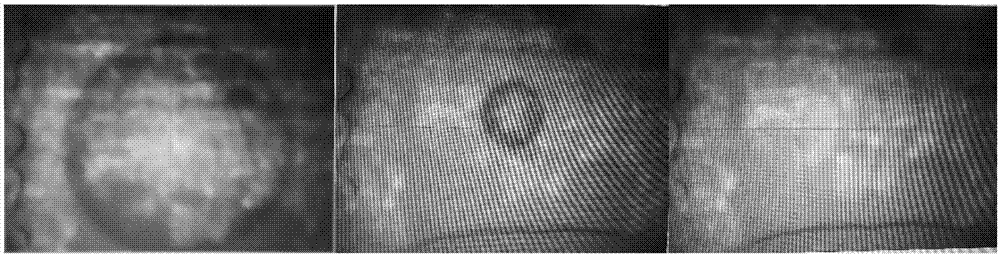
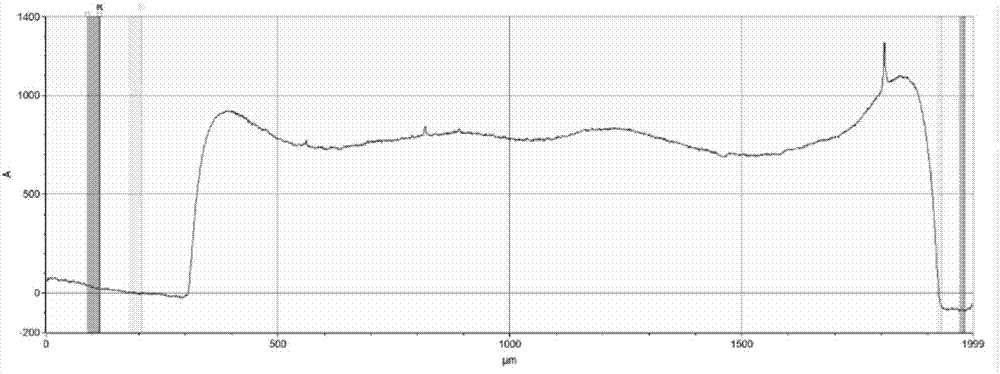
Examples
Embodiment
[0022] (1) Add polyacrylamide (weight average molecular weight: 40,000) with 0.5% ethylene glycol mass to the ethylene glycol solvent, stir at 45°C for more than 3 hours to fully dissolve, and then add octahydrate with a molar concentration of 0.3M Zirconium oxychloride was dissolved by magnetic stirring, and the inkjet printing ink was obtained after aging for 24 hours.
[0023] (2) Fill the prepared ink into the inkjet printer (Dimatix2800) cartridge, the substrate used is glass, and the substrate is pretreated by UV irradiation for 50s. When printing, the printer substrate is set at 25°C, the nozzle voltage is 30V, the nozzle temperature is 55°C, and the ink droplet spacing is 30μm. After the printing was completed, the substrate was heated to 40°C and left to stand for 10 minutes. After the liquid film was completely gelled, it was placed on a hot stage and heated at 400°C for 1 hour to obtain a zirconia film. (what embodiment represents is a representative concrete exper...
PUM
 Login to View More
 Abstract
Description
Claims
Application Information
 Login to View More