Device and method for repairing layering damage of carbon fiber reinforced thermosetting resin-based composite material

A composite material and damage repair technology, which is applied in the field of composite material repair, can solve the problems of electrochemical corrosion and stress corrosion at bolt joints, failure to apply, and damage to fiber continuity, so as to restore basic mechanical properties, reduce repair costs, and retain The effect of layer performance

CN113085229AActive Publication Date: 2021-07-09TONGJI UNIV
56 Cites 4 Cited by

Patent Information

Authority / Receiving Office
CN · China
Patent Type
Applications(China)
Current Assignee / Owner
Publication Date
2021-07-09

Smart Images

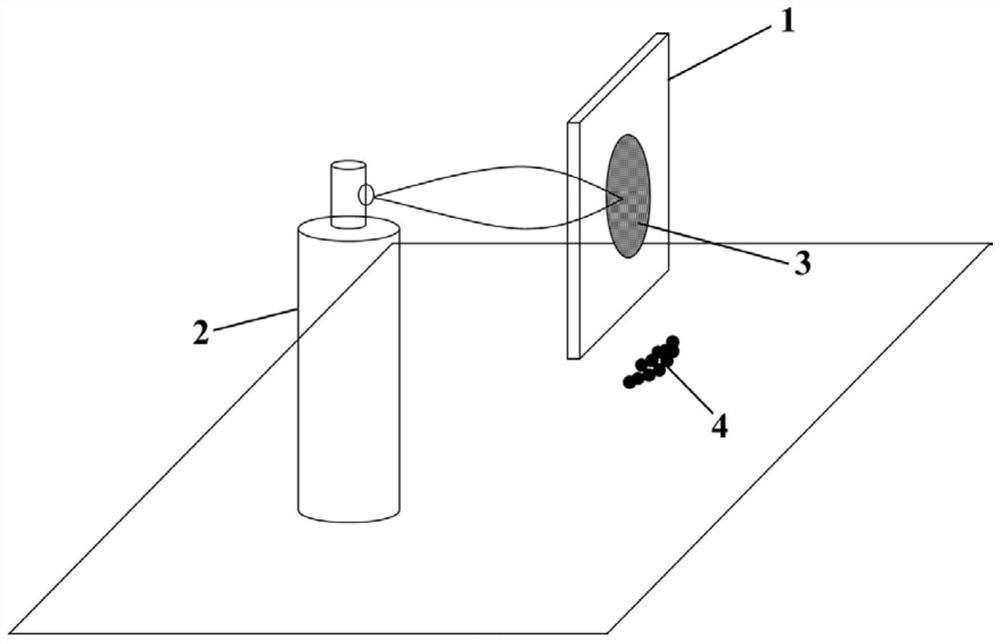
  • Figure 1
    Figure 1
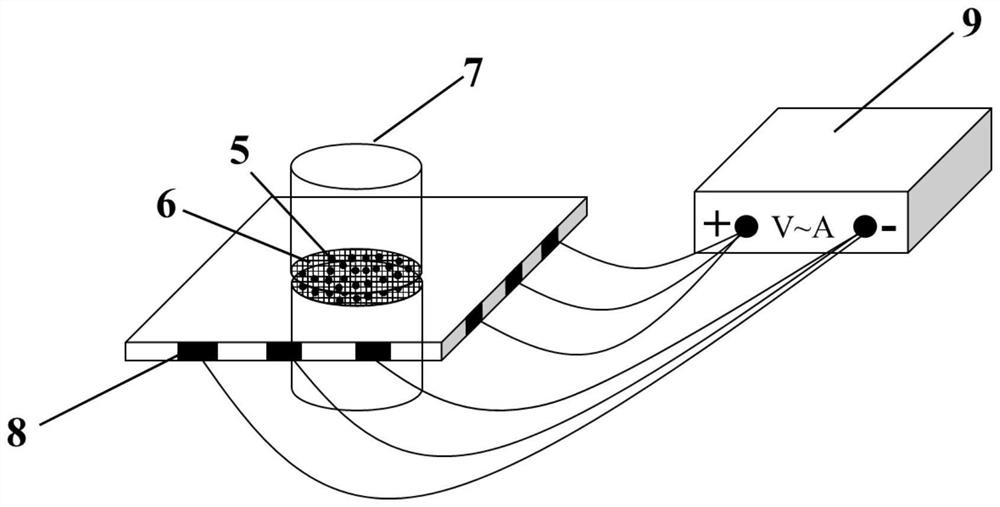
  • Figure 2
    Figure 2
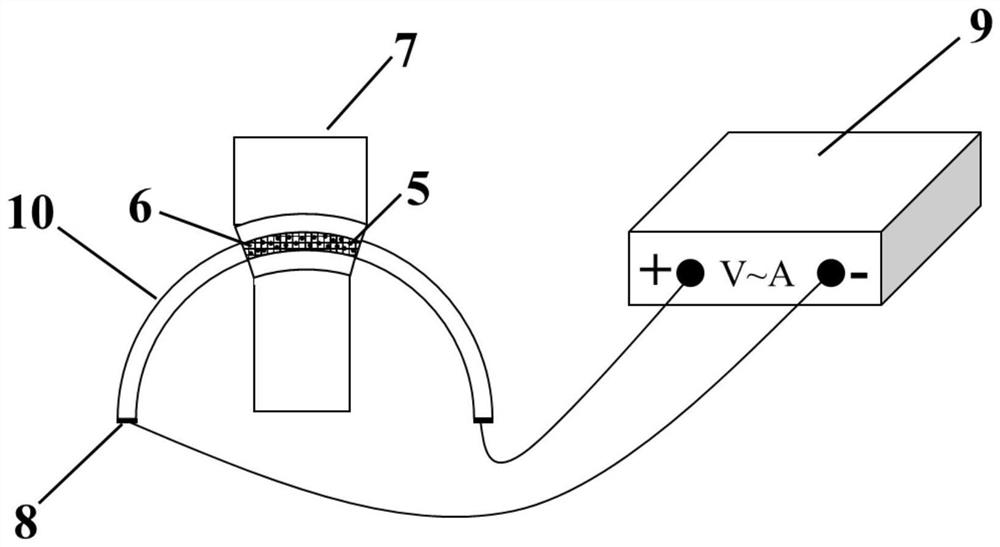
  • Figure 3
    Figure 3
Patent Text Reader

Abstract

The invention discloses a device and method for repairing layering damage of a carbon fiber reinforced thermosetting resin-based composite material. The repairing device comprises an electrode, a pressure head assembly and an external power source, wherein the pressure head assembly clamps to-be-repaired carbon fiber reinforced thermosetting resin matrix composite components up and down in the pressure head assembly, the pressure head assembly can adjust the pressure according to different working conditions under the synergistic effect of a built-in power source and a pressure sensor, and the external power supply can adjust current parameters according to carbon fiber reinforced thermosetting resin matrix composite components with different sizes and material components under the synergistic effect of the built-in power supply and a transformer. According to the device and method, the layering damage of the repaired composite material components is not expanded, the performance can be recovered to 80%-90% of that before the damage, the actual maintenance requirement is met, the repairing period is greatly shortened, component replacement type maintenance is changed into repairing type maintenance, and the maintenance cost is greatly saved.
Need to check novelty before this filing date? Find Prior Art

Description

technical field

[0001] The invention relates to the field of repairing composite materials, in particular to a device for repairing layered damage of carbon fiber-reinforced thermosetting resin-based composite materials and a repairing method thereof. Background technique

[0002] Carbon fiber reinforced composite materials have the characteristics of light weight, high strength, high temperature resistance, good durability and excellent electrical conductivity, and are widely used in aerospace, civil engineering and other fields. With the maturity of the preparation process and the continuous improvement of material properties, the application of composite materials has gradually shifted from decorative and secondary load-bearing components to primary load-bearing components. However, the composite material structure will inevitably be subjected to low-speed impact and other dynamic loads during service, which will cause damage such as delamination between layers, resulting...

Examples

Embodiment 1

[0088] 1. Preparation of planar plate members with delamination damage. Firstly, carbon fiber / epoxy resin composite laminates were prepared by vacuum assisted forming (VARI) process, and the fiber volume fraction of the formed components was calculated to be 80%. The selected carbon fiber is T700 grade, and its combustion and oxidation temperature is about 400°C; the selected epoxy resin is bisphenol A epoxy resin, and its combustion and carbonization temperature is above 200°C. The laminates were then subjected to low-velocity impact treatment using a drop weight impact tester. The speed not greater than the penetration energy of the test piece is selected for low-speed impact of the falling weight, so that the test piece will be damaged by interlayer delamination and epoxy resin breakage, and a flat plate member 1 with delamination damage will be obtained. During the application of the impact load, the impact contact force of the composite member is collected synchronously ...

Embodiment 2

[0094] Embodiment 2: The difference between this embodiment and Embodiment 1 is that the member prepared by the VARI process in step 1 is a curved plate member.

Embodiment 3

[0095] Embodiment 3: The difference between this embodiment and Embodiment 1 is that the member prepared by the VARI process in step 1 is a circular tubular member.