Compositions and methods for treatment of prostate and other cancers

a prostate and other cancer technology, applied in the field of prostate and other cancer cancer compositions, can solve the problems of incomplete castration-induced apoptosis, regression of disease, and extensive apoptosis in prostate tumors

US20060040886A1Inactive Publication Date: 2006-02-23THE UNIV OF BRITISH COLUMBIA
4 Cites 2 Cited by

Patent Information

Authority / Receiving Office
US · United States
Patent Type
Applications(United States)
Current Assignee / Owner
Publication Date
2006-02-23
Estimated Expiration
Not applicable · inactive patent

Smart Images

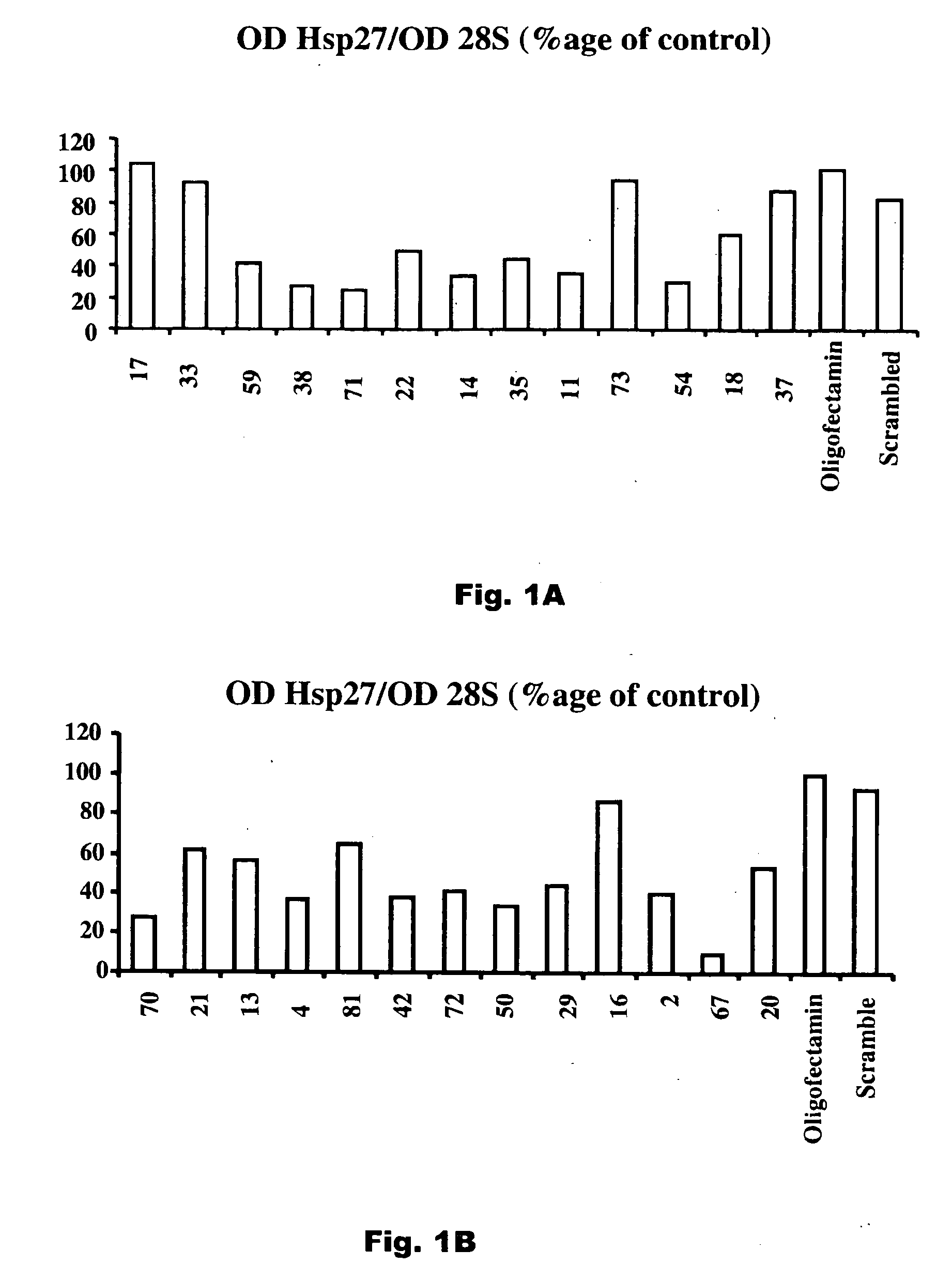
  • Figure 1
    Figure 1
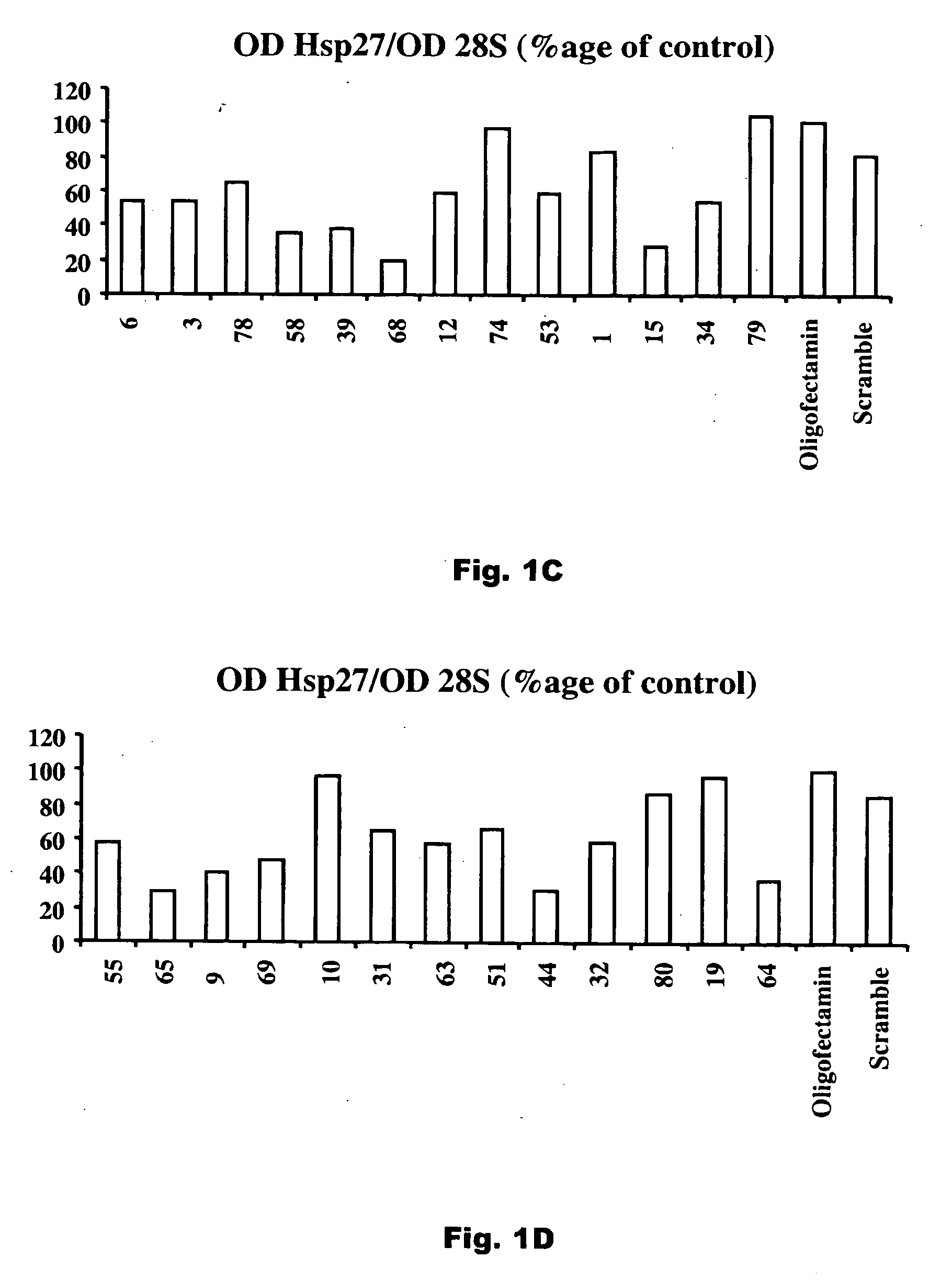
  • Figure 2
    Figure 2
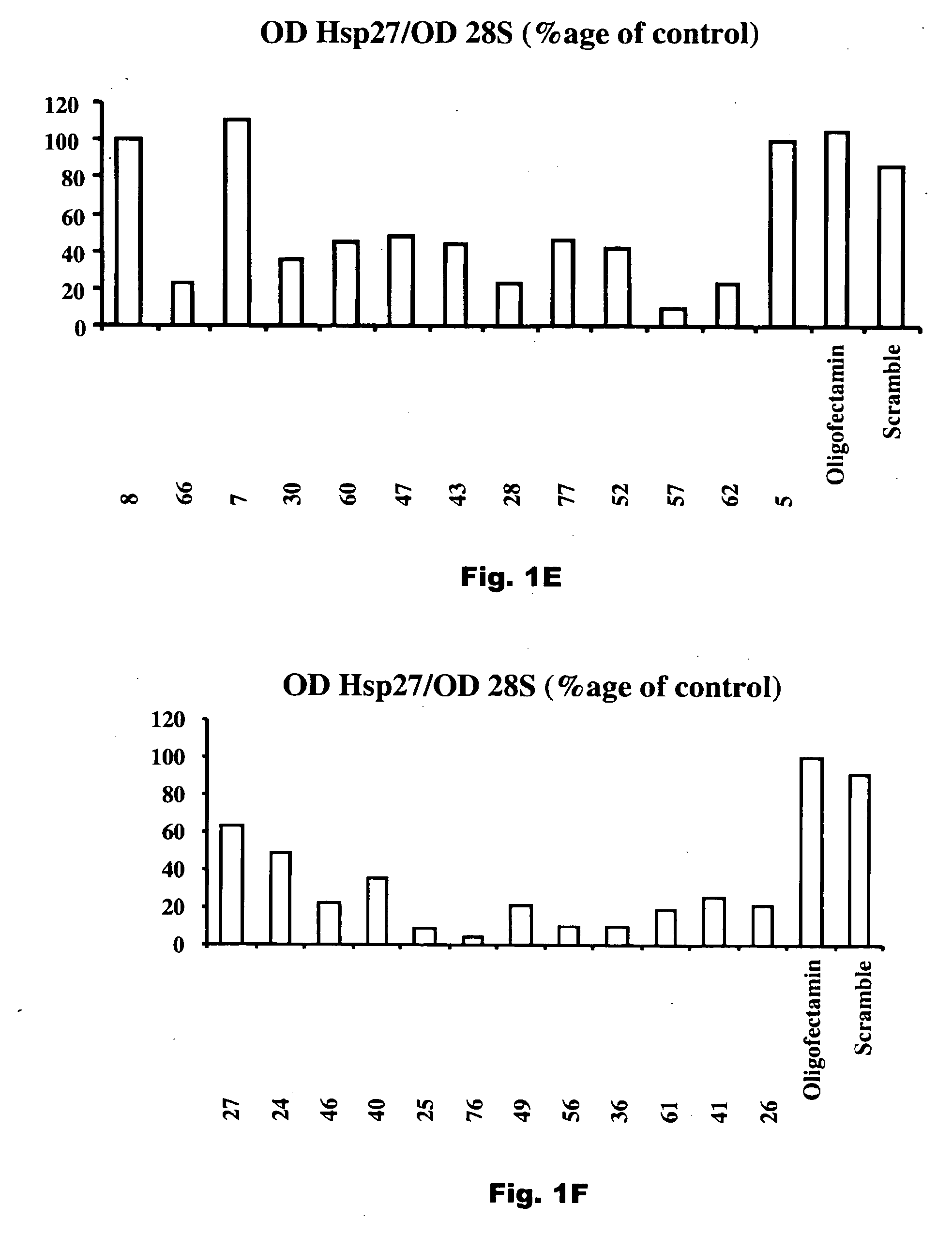
  • Figure 3
    Figure 3
Patent Text Reader

Abstract

Therapeutic agents which target heat shock protein (hsp) 27 in vivo are used to provide treatment to individuals, particularly human individuals, suffering from prostate cancer and other cancers that overexpress hsp27. A therapeutic agent, for example an antisense oligonucleotide or RNAi nucleotide inhibitor with sequence specificity for hsp27 mRNA, for example human hsp27 mRNA, is administered to an individual suffering from prostate cancer or some other cancer expressing elevated levels of hsp 27 in a therapeutically effective amount. The therapeutic agent is suitably formulated into a pharmaceutical composition which includes a pharmaceutically acceptable carrier, and packaged in dosage unit form. A preferred dosage unit form is an injectable dosage unit form.
Need to check novelty before this filing date? Find Prior Art

Description

CROSS REFERENCE TO RELATED APPLICATIONS

[0001] This application claims the benefit of U.S. Provisional Applications Nos. 60 / 415,859 filed Oct. 2, 2002 and 60 / 463,952 filed Apr. 18, 2003, both of which are incorporated herein by reference.BACKGROUND OF INVENTION

[0002] This application relates to compositions and methods for the treatment of prostate and other cancers that express elevated levels of hsp 27 as compared to normal tissue in at least some stages of disease development.

[0003] Prostate cancer is the most common cancer that affects men, and the second leading cause of cancer deaths in men in the Western world. Because prostate cancer is an androgen-sensitive tumor, androgen withdrawal, for example via castration, is utilized in some therapeutic regimens for patients with advanced prostate cancer. Androgen withdrawal leads to extensive apoptosis in the prostate tumor, and hence to a regression of the disease. However, castration-induced apoptosis is not complete, and a prog...

Examples

Embodiment Construction

[0015] The present invention relates to compositions that reduce the effective amount of active hsp27 in vivo. Exemplary compositions useful in the invention are antisense hsp27 oligonucleotides or RNAi nucleotide inhibitors. The invention further relates to the use of these compositions in the treatment of prostate cancer and other cancers that express hsp27 in elevated amounts.

[0016] As used in the specification and claims of this application, the term “active hsp27” refers to hsp27 which is active as a chaperone to stabilize protein structure at times of stress and in particular inhibits the activity of caspase-3, a mediator of apoptosis. Reduction in levels of active hsp27 can be achieved by reducing the total amount of hsp27, either by restricting production of hsp27 or by degrading hsp27 at a rate faster than it is being produced, by converting hsp27 to an inactive form, for example by sequestering hsp27 in an inactive complex such as with an anti-hsp27 antibody.

[0017] As us...