Product discrimination, on the other hand, involves charging different prices for products with different
quality of service characteristics and, in general, different costs of production.
In practice, such a theoretical segmentation cannot be achieved as the system cannot determine each individual WTP for each particular product, nor can it publish different prices available only to specific individuals.
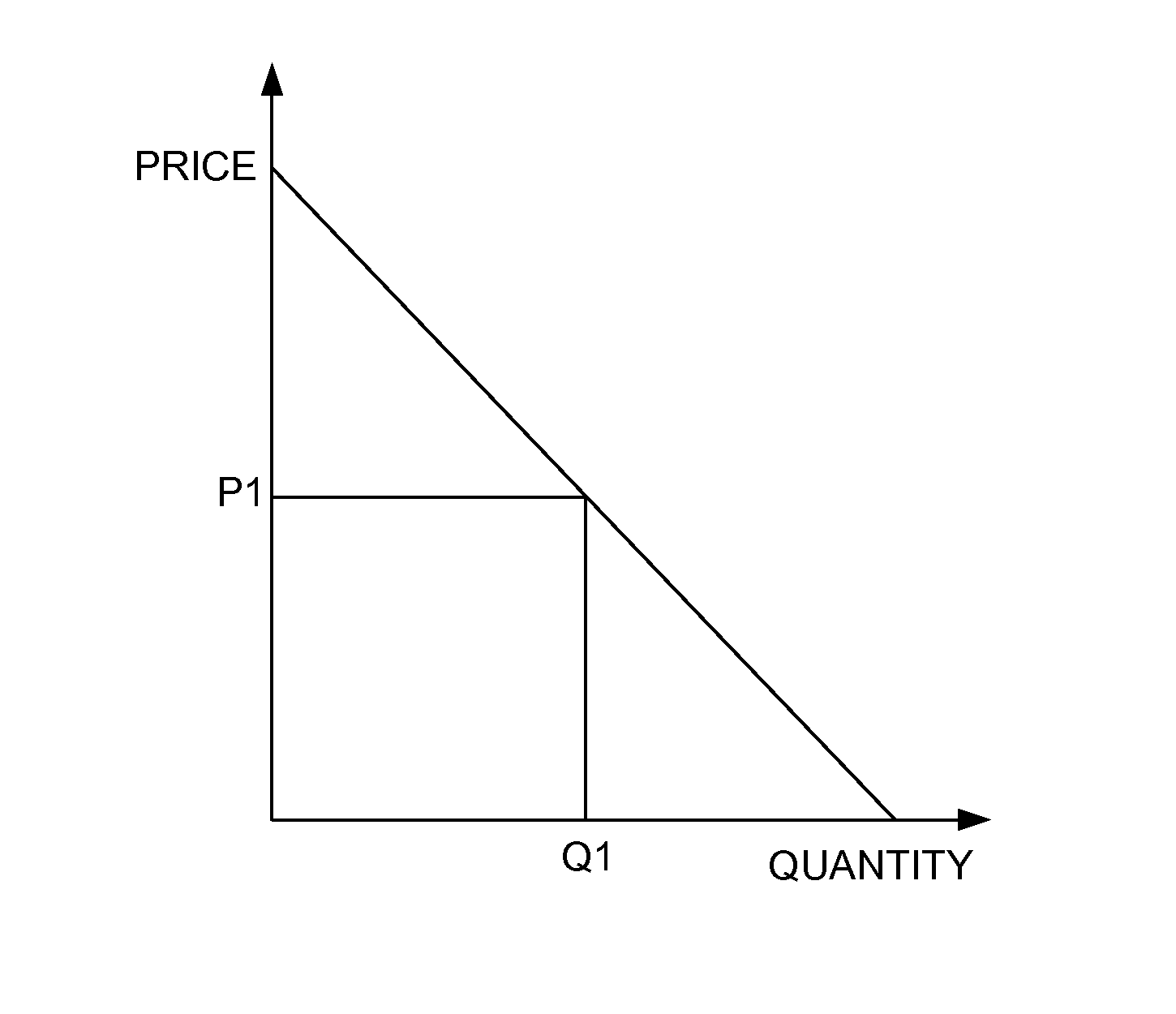
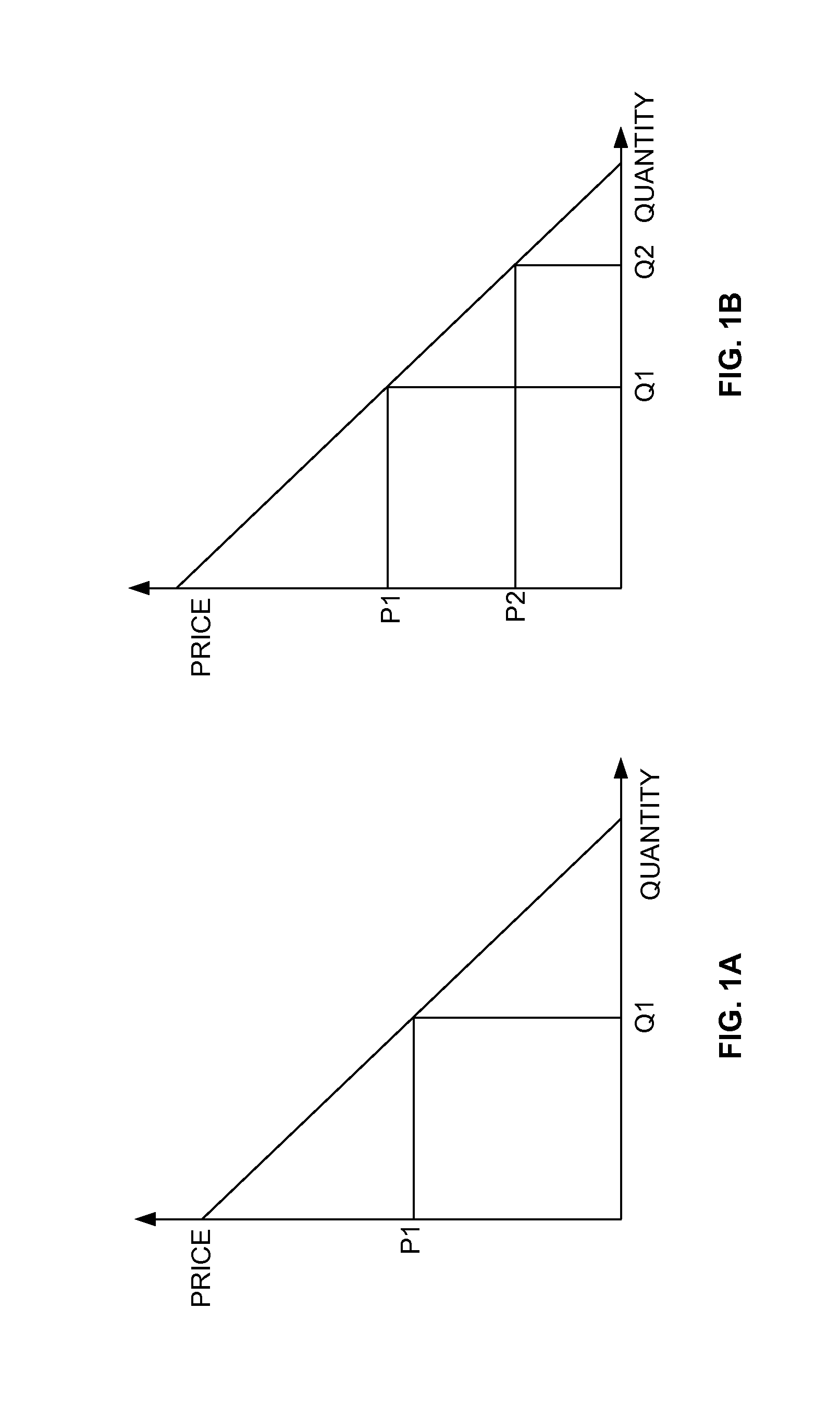
However, the airline may leave a lot of revenue on the table, both because it did not charge a higher price for those consumers who have WTP>P1, and also because a number of seats are flying empty, as many consumers with WTP1 did not buy a
ticket.
Price discrimination presents a challenge of identifying and segmenting customers based on the strength of their preference for a specific product.
Thus, corporate customers often get a price break on the same product thanks to volume sales a corporation achieves.
A typical problem with the latter strategy is that it locks out perspective low-WTP customers who were unable or unwilling to
commit to travel in advance while precluding an airline from dropping last-minute prices, so that business customers stepping on a plane in the last minute do not catch the same price break and discretionary customers do not develop a
habit of buying cheap travel late.
In such scenarios, the utility in a commercial sale of airline tickets is limited.
First, the buyer is required to make a commitment in advance without any certainty of getting on a flight.
Second, the buyer is effectively precluded from booking a hotel at his chosen destination because of the uncertainty that the trip will occur, and booking a last-minute hotel may offset any savings from the discounted airfare.
Third, on routes with frequent last-minute seat availability, many buyers are likely to adjust their behavior and postpone the full price purchase in favor of an acquisition uncertainty
ticket.
This creates more empty seats and perpetuates a vicious cycle.
Thus, the
consumer is not sure whether the
ticket will be booked or not till near the date of departure.
The opaque sales channels are inferior, both from the airline perspective and from the customer perspective.
Thus, a buyer may be required to spend a considerable amount of time only to end up with a suboptimal product.
While some business and leisure travelers are likely to be discouraged by the deliberate uncertainty introduced into the transaction (in terms of
arrival time, routing, and number of stops), others will perceive the opaque fare as a perfect substitute for the non-opaque fare that allows the buyer to travel from origin to destination and return on the specified dates, resulting in the cannibalization of high-WTP fares, including business fares.
Also, the itinerary is either opaque (some but not all of its attributes are known) or, if not opaque, may present the buyer with a limited selection of last-minute unsatisfactory choices.
In some embodiments, the upgraded travel product is not easily exchangeable or transferable.


 Login to View More
  Login to View More