
Method for in situ restoring groundwater azotate pollution with corn stalk
A technology of corn stalks and in-situ restoration, applied in chemical instruments and methods, biological water/sewage treatment, water/sludge/sewage treatment, etc., can solve the waste of biomass energy, pollute the atmospheric environment, and destroy farmland soil microbial bacteria To achieve the effect of avoiding environmental pollution, maintaining the ecological balance of microorganisms, and solving the problem of comprehensive utilization
- Summary
- Abstract
- Description
- Claims
- Application Information
AI Technical Summary
Problems solved by technology
Method used
Image

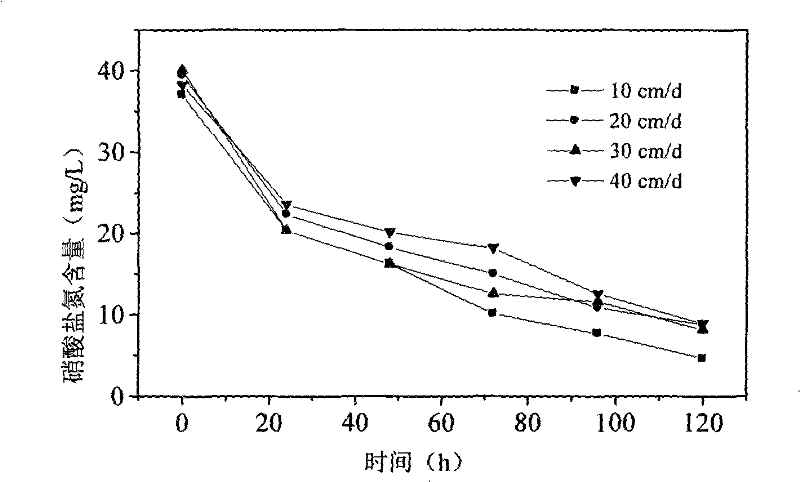
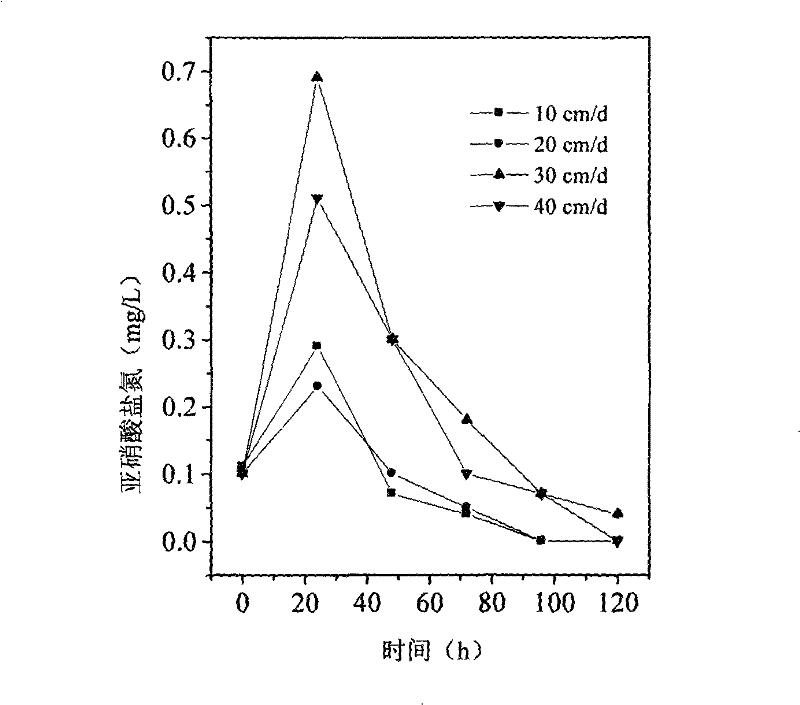

Examples
Embodiment
[0049] Take the farmland area with serious nitrate pollution as an example. The farmland area has surface and underground water systems. The upstream water comes from domestic sewage from residential areas, and there are multiple surface inflow inlets. There are ditches for industrial nitrogen-containing wastewater to discharge from the surface. Infiltrated into the farmland, due to the excessive use of nitrogen fertilizer and sewage irrigation, the nitrate nitrogen content in the groundwater of the farmland area is between 30-70mg / L, which is 20mg / L higher than the third-class water standard in my country; the downstream is a lake, and the farmland groundwater system is recharged through underground lake.
[0050] In situ bioremediation of groundwater is carried out as follows:
[0051] 1. In-situ remediation method for nitrate pollution of groundwater system in farmland areas:
[0052] a. Use electromagnetic survey (EMlectromagnetic Survey, EM) technology to conduct on-site s...
PUM
| Property | Measurement | Unit |
|---|---|---|
| length | aaaaa | aaaaa |
Abstract
Description
Claims
Application Information
 Login to View More