
Molecular marking method for pig litter size
A molecular marker, litter size technology, applied in biochemical equipment and methods, microbial determination/inspection, etc., to achieve the effects of simple operation, easy amplification, and improved accuracy
- Summary
- Abstract
- Description
- Claims
- Application Information
AI Technical Summary
Problems solved by technology
Method used
Image

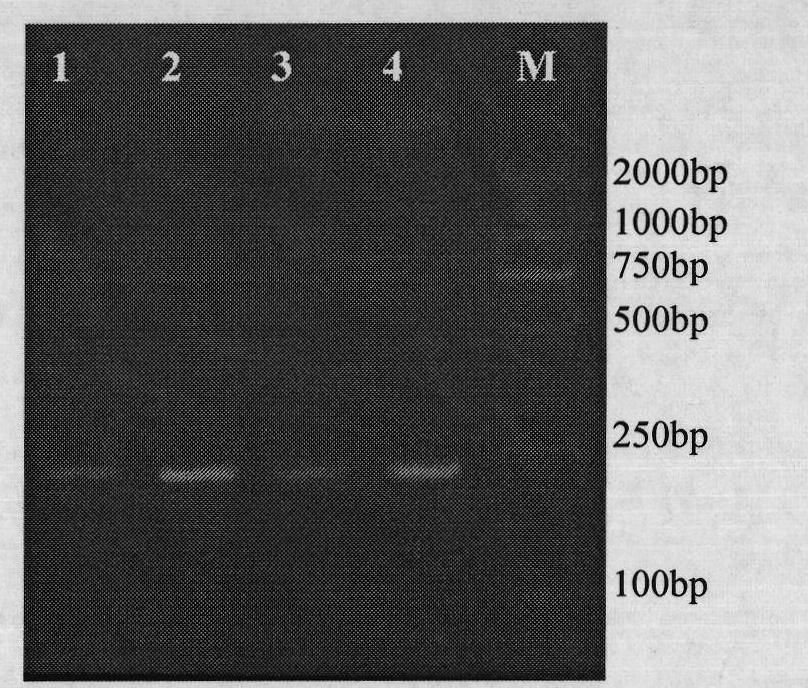
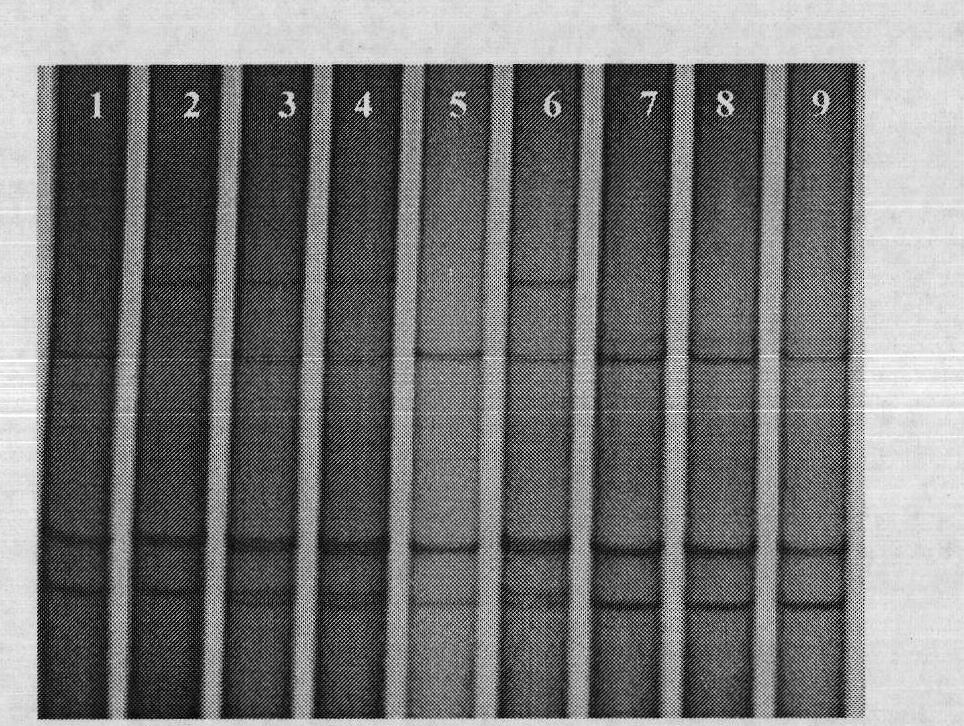
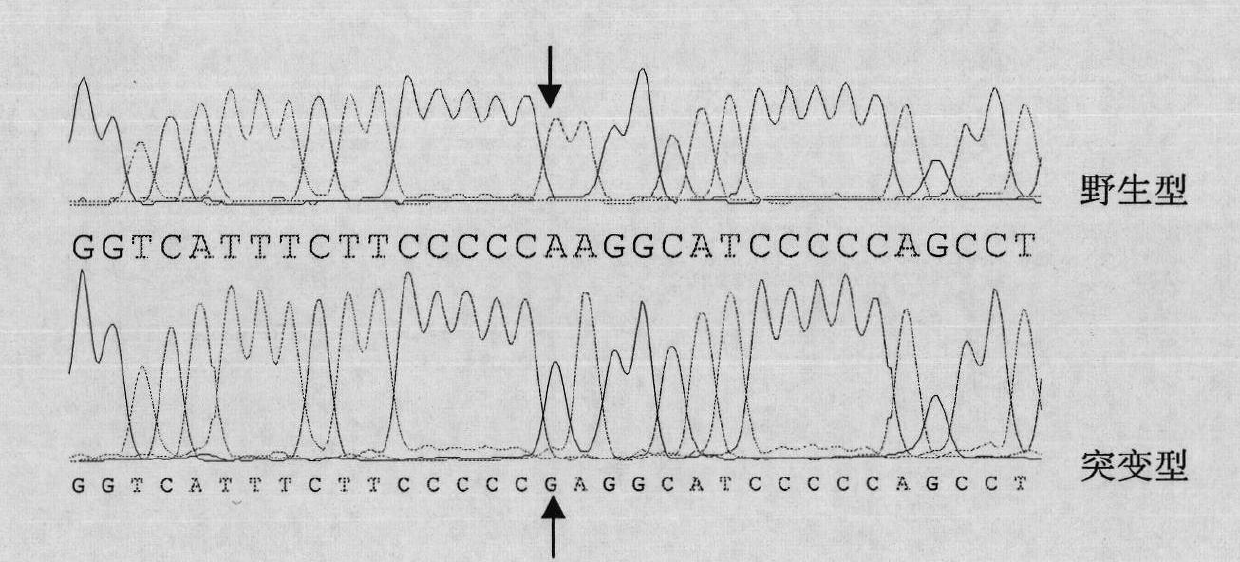
Examples
Embodiment
[0053] A specific operation method of a molecular marker method for pig litter size traits is as follows:
[0054] (1) Collection of ear tissue samples
[0055] On the day of the piglet's birth, about 0.2 grams of the pig's ear margin tissue was collected with pig ear forceps, put into a 1.5ml centrifuge tube, poured about 1ml of 75% alcohol, and then stored in a -20°C refrigerator for later use.
[0056] (2) Genomic DNA extraction
[0057] Take out the ear margin tissue from the refrigerator, cut it into pieces with scissors, and pour 600ul of DNA tissue extraction solution. The formula of the DNA tissue extraction solution is shown in Table 1, and the extraction solution is ready for use. Then put it in a warm bath at 55°C for 12 hours, then add 600ul of Tris saturated phenol, shake it up and down for 15 minutes, and centrifuge for 10 minutes in a low-temperature high-speed centrifuge with a speed of 12000 rpm; take out the supernatant with a 1ml pipette To a sterilized 1....
PUM
 Login to View More
 Abstract
Description
Claims
Application Information
 Login to View More