
Method and device for acquiring seismic velocity in thin reservoir layer through well control
A layer velocity and thin reservoir technology, applied in the field of well control to obtain high-precision prediction of seismic thin reservoir velocity, can solve the problems such as no clear solution, and achieve the effect of improving prediction accuracy
- Summary
- Abstract
- Description
- Claims
- Application Information
AI Technical Summary
Problems solved by technology
Method used
Image

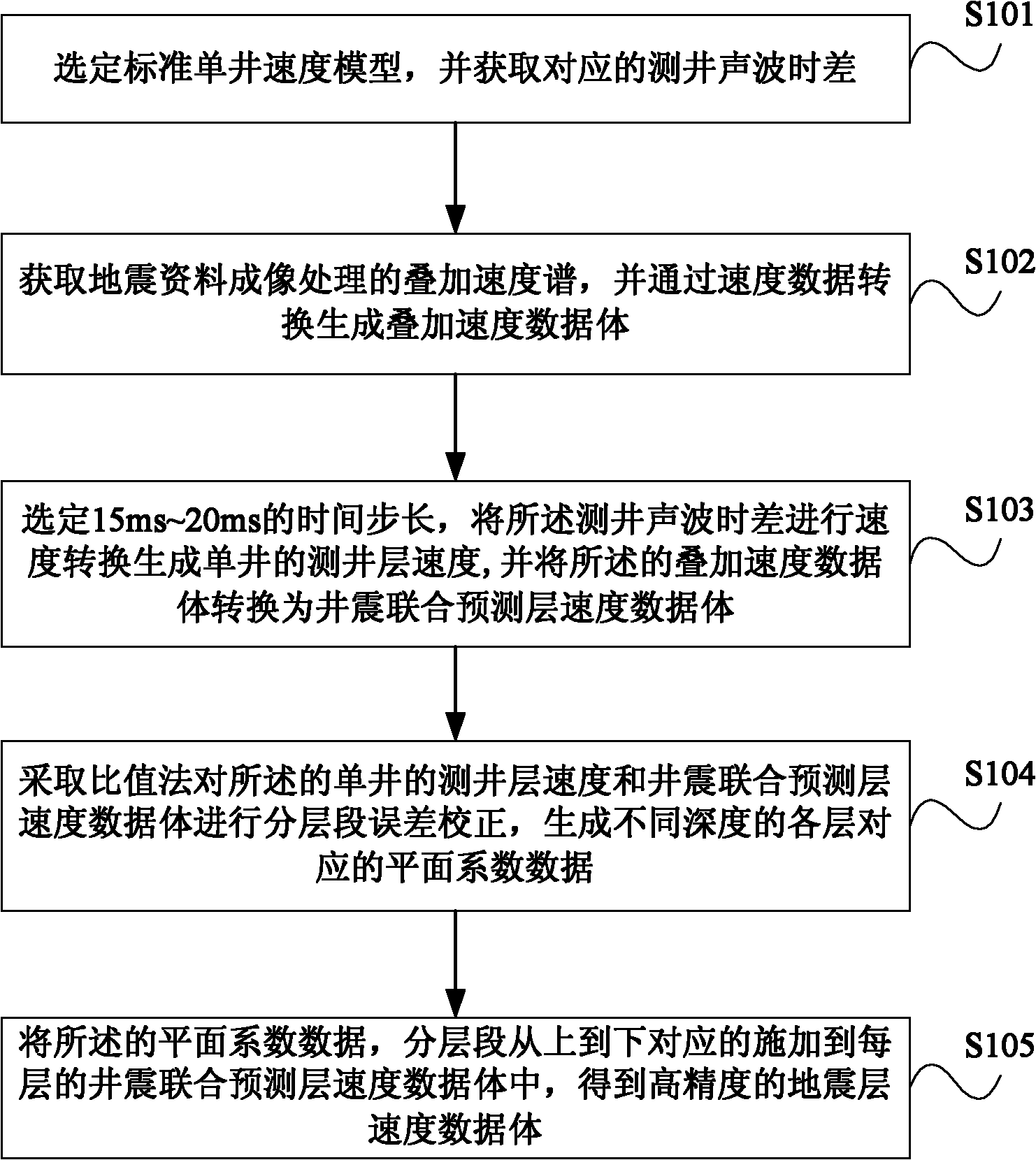
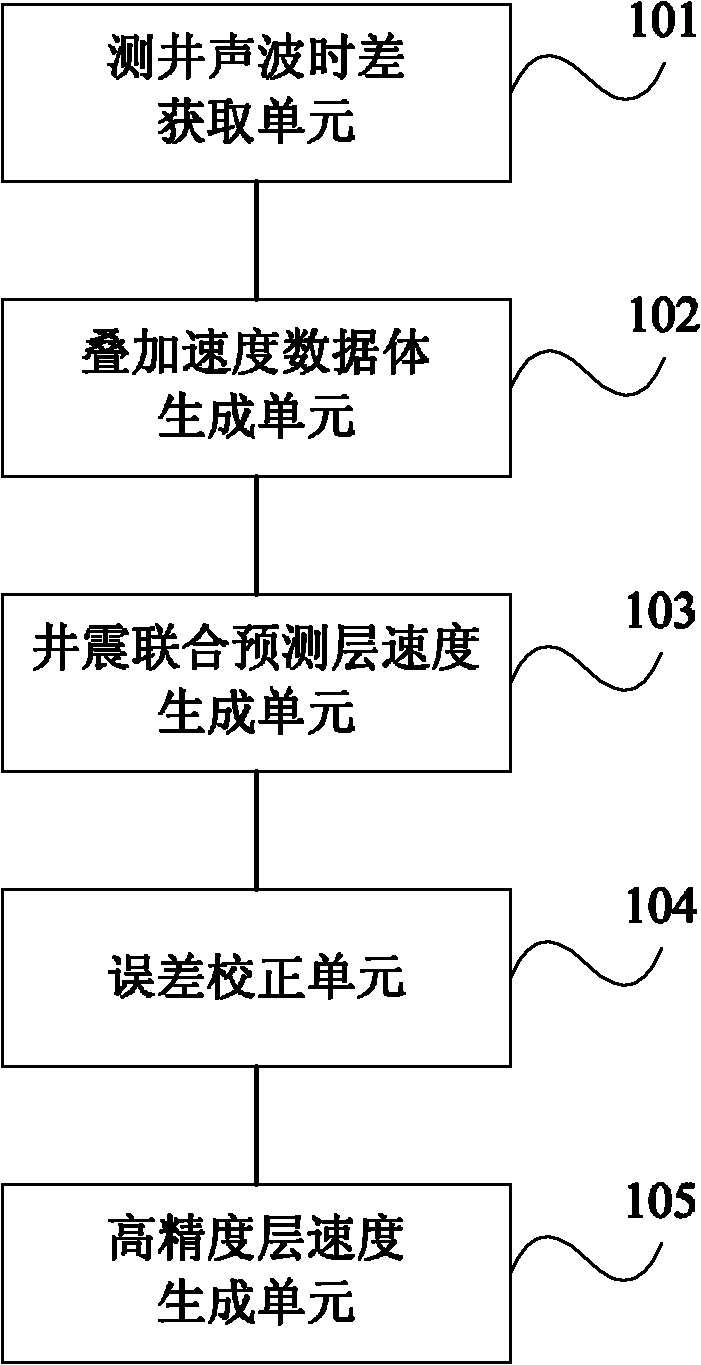
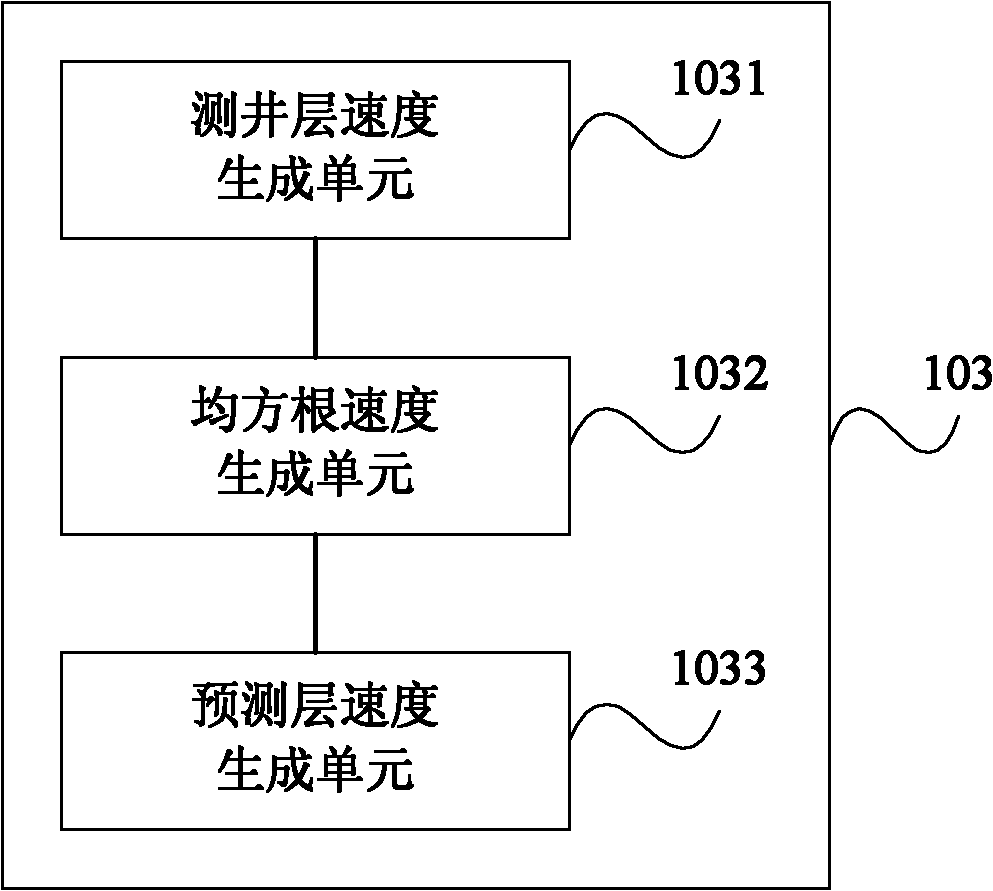
Examples
Embodiment 1
[0045] 1. There are more than 100 wells in a certain area of the work area, and there are 24 wells with relatively complete representative well sections in the preferred work area, which can better reflect the velocity changes in the whole area. As shown in Fig. 5(a), it shows the single well results of time-depth relationship calibration of 24 full well segments. The value on the left is the acoustic time difference value, and the columns are the individual well models. By displaying 24 wells in the same color range, it is better to check the correction of the logging environment, which can reflect the change law of the velocity from shallow to deep in the whole area, and convert the logging data in the depth domain to the single well standard time domain The model, the vertical and horizontal variation law is more reasonable, reflecting the reservoir variation law. Taking into account factors such as elevation and base level changes, and analyzing the calibration of each ...
PUM
 Login to View More
 Abstract
Description
Claims
Application Information
 Login to View More