

Motion inducing reverse shoulder assembly
A movement and component technology, used in shoulder joint, medical science, prosthesis, etc.
- Summary
- Abstract
- Description
- Claims
- Application Information
AI Technical Summary
Problems solved by technology
Method used
Image

Examples
Embodiment Construction
[0027] Detailed embodiments of the invention are disclosed herein. It should be understood, however, that the disclosed embodiments are merely illustrative of the invention that may be embodied in various forms. Furthermore, each example given in relation to various embodiments of the invention is by way of illustration, not limitation. In addition, the drawings are not necessarily to scale and some features may be exaggerated to show details of particular components (and any dimensions, materials and similar details shown in the drawings are of course illustrative and not limiting sexual). Therefore, specific structural and functional details disclosed herein are not to be interpreted as limiting, but merely as a representative basis for teaching one skilled in the art to variously employ the present invention.
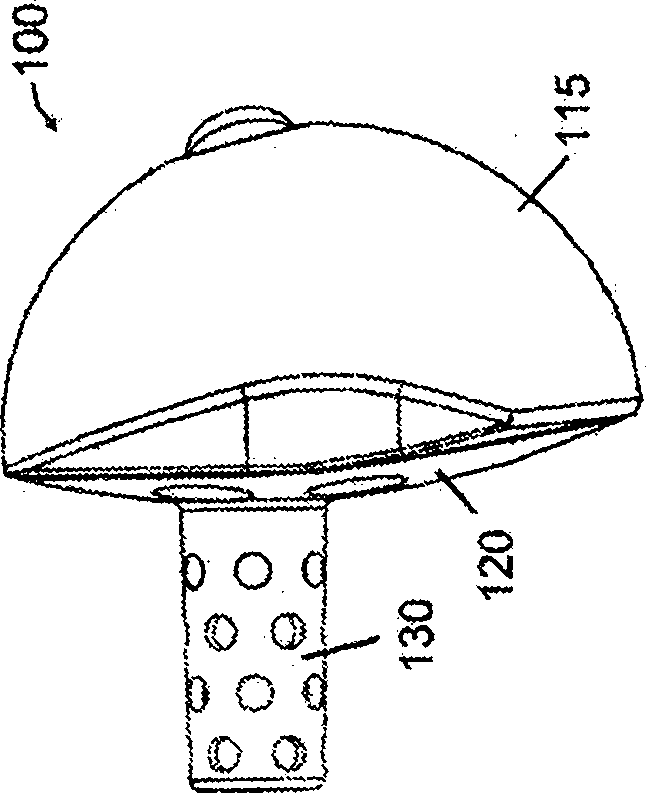
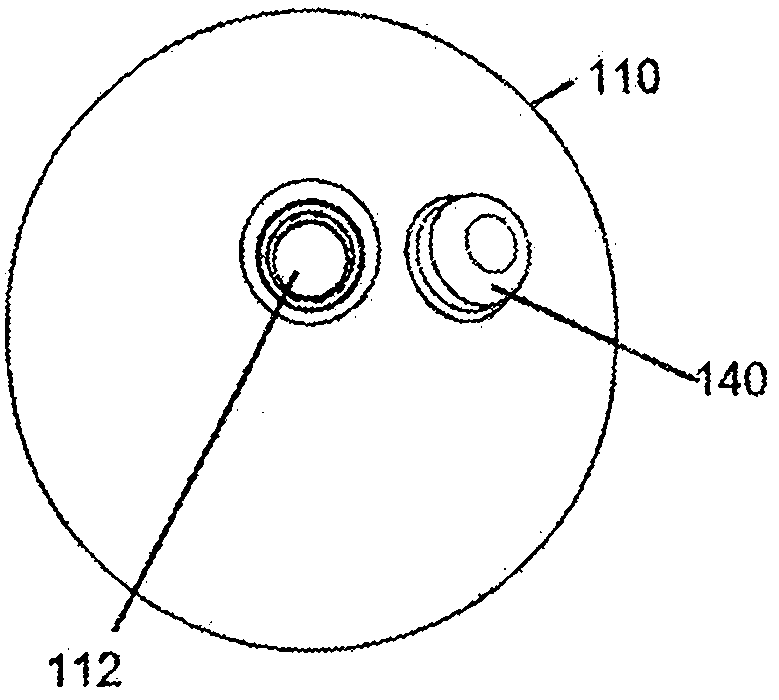
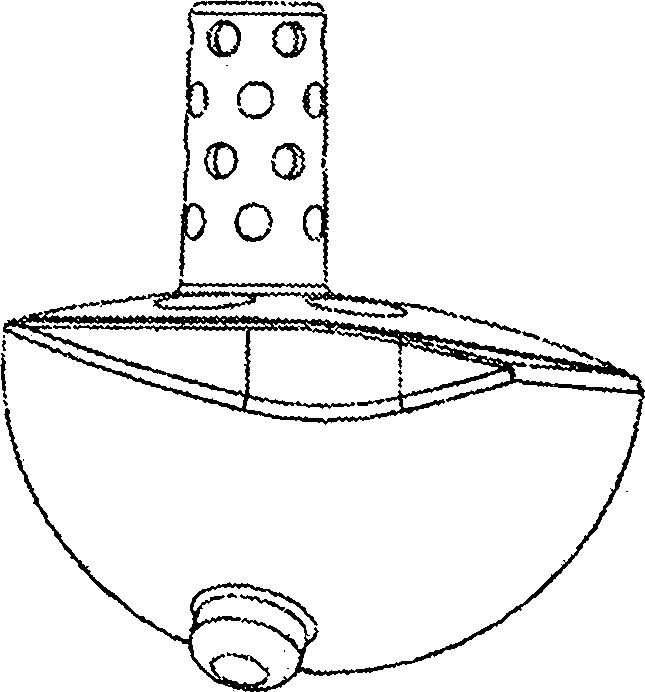
[0028] As described herein, various embodiments of the present invention provide a motion inducing element (e.g., on the glenosphere and / or humeral liner) that whe...
PUM
 Login to View More
 Abstract
Description
Claims
Application Information
 Login to View More