Low-smoke zero-halogen cable material and radio-frequency cable

A technology for radio frequency cables and cable materials, which is applied to insulated cables, cables, circuits, etc., can solve the problems of a large number of corrosive gases and toxic gases, and achieve the effect of excellent flame retardant performance and mechanical performance.

CN103819808AActive Publication Date: 2014-05-28ZHEJIANG COMMSPACE CABLE
4 Cites 5 Cited by

Patent Information

Authority / Receiving Office
CN · China
Current Assignee / Owner
Publication Date
2014-05-28

Smart Images

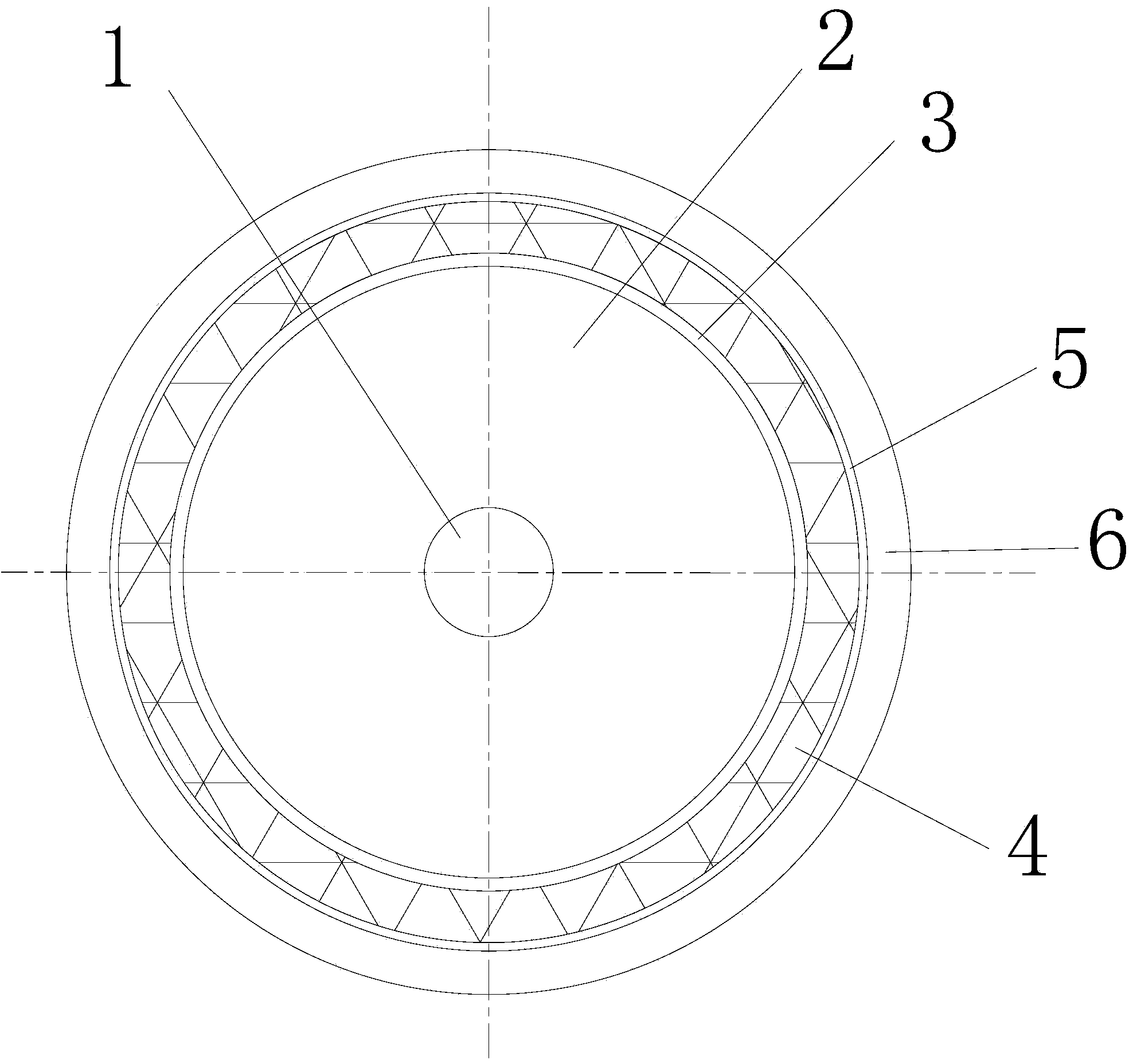
  • Figure 1
    Figure 1
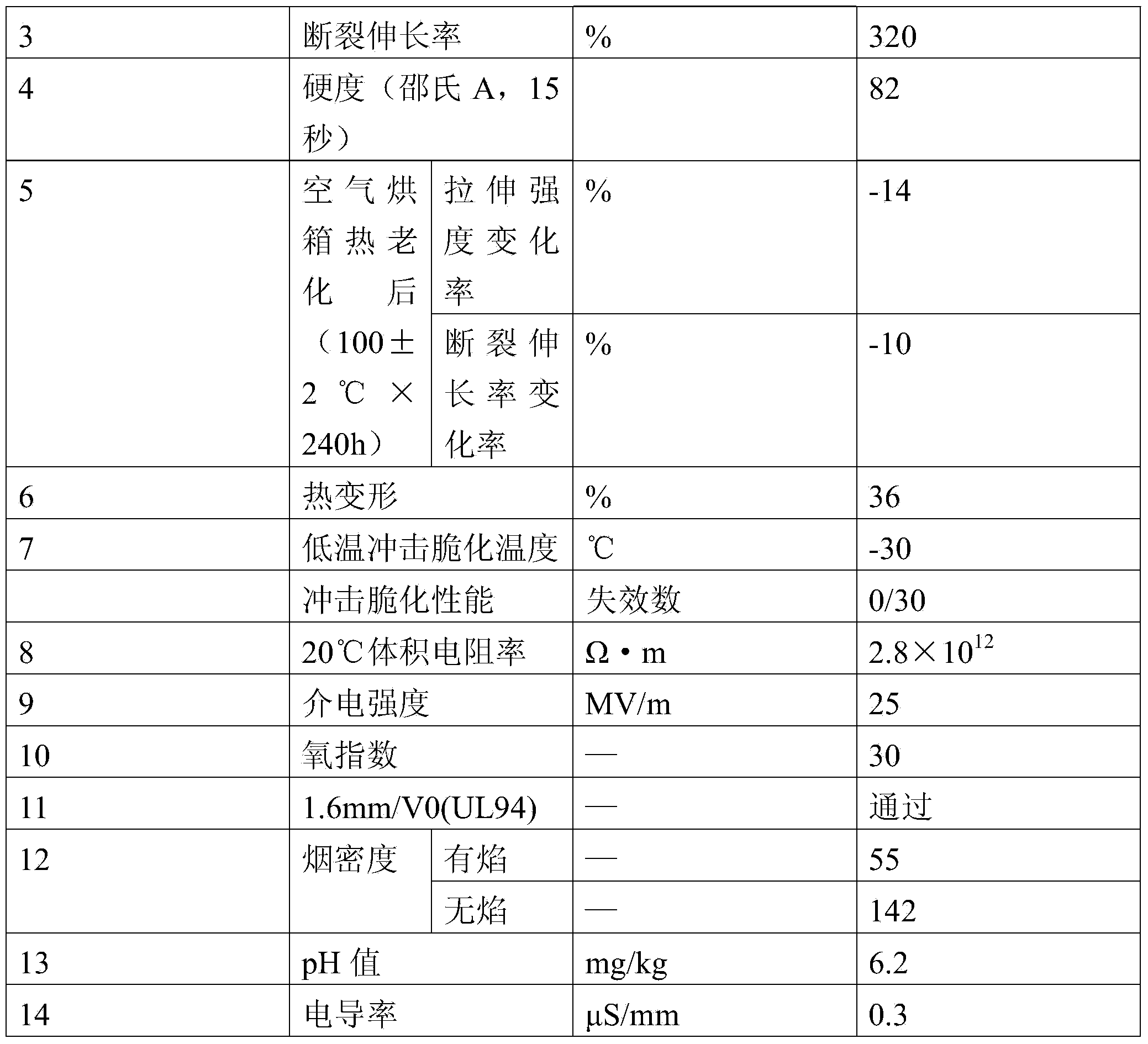
  • Figure 2
    Figure 2
  • Figure 3
    Figure 3
Patent Text Reader

Abstract

The invention provides a low-smoke zero-halogen cable material and a radio-frequency cable. The low-smoke zero-halogen cable material comprises raw material components in parts by weight as follows: 35 parts of LLDPE (linear low-density polyethylene), 35 parts of LDPE (low-density polyethylene), 30 parts of an EVA (ethylene-vinyl acetate copolymer), 40 parts of magnesium hydroxide, 40 parts of aluminum hydroxide, 8 parts of microencapsulated red phosphorus, 1.6 parts of mono-alkoxy titanate, 0.6 part of antioxidant 1010, 0.2 part of antioxidant DLTP (dilauryl thiodipropionate) and 0.2 part of bisphenol A. The low-smoke zero-halogen cable material and the radio-frequency cable made of the cable material cannot support combustion or generate smoke during a fire. The cable material is free of halogen, so that poison gas is not generated during combustion, environmental protection is achieved, and the cable material is environment-friendly.
Need to check novelty before this filing date? Find Prior Art

Description

technical field

[0001] The invention relates to a cable material formula, in particular to a low-smoke halogen-free cable material and a radio frequency cable. Background technique

[0002] In fire accidents, fires caused by wires and cables cannot be ignored. According to incomplete statistics, fires caused by wires and cables accounted for more than 35%, and two-thirds of the firefighters died of suffocation due to inhalation of toxic gases released when wires and cables burned.

[0003] The main material of the outermost layer of traditional cables is polyvinyl chloride, that is, PVC (Polyvinyl chloride polymer), and contains halogenated flame retardants. When the material is burned, it generates a large amount of smoke and produces a large amount of corrosive and toxic gases (such as chlorine, HBr, etc.), which has an adverse effect on fire extinguishing and personnel escape, making fire rescue more difficult. The corrosive gas released at the same time causes the elec...

Examples

Embodiment Construction

[0015] The low-smoke halogen-free cable material provided by the present invention includes the following raw material components in parts by weight: 35 parts of linear low-density polyethylene (LLDPE), 35 parts of low-density polyethylene (LDPE), ethylene-vinyl acetate copolymer (EVA ) 30 parts, magnesium hydroxide 40 parts, aluminum hydroxide 40 parts, microencapsulated red phosphorus 8 parts, monoalkoxy titanate 1.6 parts, antioxidant 1010 0.6 parts, antioxidant DLTP 0.2 parts, double Phenol A is 0.2 parts.

[0016] LLDPE, LDPE and EVA have low smoke generation and low corrosivity when burned, and are used as the base material of the low-smoke and halogen-free cable material of the present invention. The different proportions of the three base materials will affect the physical and mechanical properties of the material. In this embodiment, DFDA-7450 is used for the linear low-density polyethylene, 18D is used for the low-density polyethylene, and EA800 is used for the ethy...