
Method for identifying male and female plants of populus tomentosa seedlings
A technology of Populus tomentosa and male and female plants, which is applied in the field of identification of male and female plants, can solve the problems of complicated operation procedures, expensive medicines, and unsuitable promotion, and achieve the effects of obvious color changes, simple and easy method, and shortened identification time
- Summary
- Abstract
- Description
- Claims
- Application Information
AI Technical Summary
Problems solved by technology
Method used
Image

Examples
Embodiment 1
[0024] Example 1 Effects of temperature and pH value on the identification method of male and female Populus tomentosa
[0025] (1) Materials and methods
[0026] Take 10 20-year-old mature Populus tomentosa leaves with known male and female plants and 10 3-year-old Populus tomentosa seedlings with known male and female leaves, wash them, dry them, and set them aside.
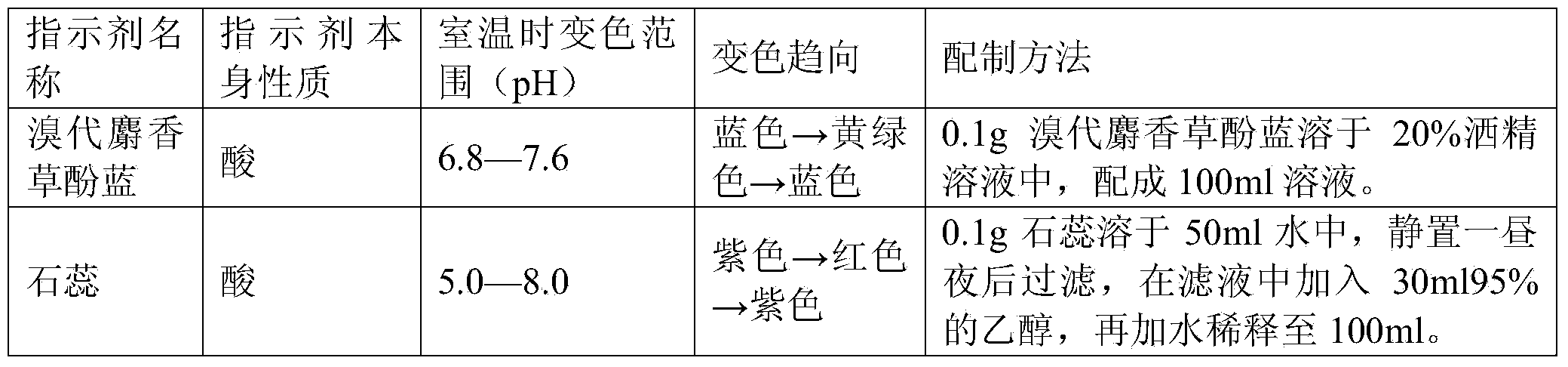
[0027] Weigh 0.5-1.0g Populus tomentosa leaves, cut them into pieces, add 4-5ml phosphate buffer solution, grind in an ice bath to form a homogenate, extract at room temperature for 1-1.5h; centrifuge the extract at 5000rpm for 5min. Take 2ml of the supernatant, add 4-5ml of 0.1% litmus test solution, mix well, and observe the influence of the ambient temperature and the pH value of the phosphate buffer on the color change of the extract.
[0028] (2) Effect of temperature on color change
[0029] The pH of the phosphate buffer was fixed at 6.8, and the color change of the extract was observed at 20°C, 25°C, ...
Embodiment 2
[0037] Embodiment 2 A kind of identification method of Populus tomentosa seedling male and female plants
[0038] 1. The steps are as follows:
[0039] (1) Preparation of materials:
[0040] 1) Select the robust leaves of Populus tomentosa seedlings;
[0041] 2) The leaves are washed with running water for 4-5 minutes;
[0042] 3) absorb moisture;
[0043] 4) Seal it with a fresh-keeping bag;
[0044] 5) Store in refrigerator at 4°C for later use;
[0045] (2) Detection method:
[0046] 1) prepare phosphate buffer, the method is as follows: NaH 2 PO 4 ·H 2 Add water to O27.8g to make 1000ml solution, Na 2 HPO 4 ·7H 2 Add water to O53.65g to make 1000ml solution; take 62.5ml NaH 2 PO 4 ·H 2 O solution and 37.5ml Na 2 HPO 4 ·7H 2 O solution was mixed and diluted with water to 200ml to obtain a phosphate buffer solution with a concentration of 0.2mol / L and a pH of 6.8;
[0047] 2) Prepare 0.1% litmus test solution: dissolve 0.1g of litmus in 50ml of water, let i...
PUM
 Login to View More
 Abstract
Description
Claims
Application Information
 Login to View More