Fast and reliable synchronization of file system directories

US20060253501A1Inactive Publication Date: 2006-11-09MICROSOFT TECH LICENSING LLC
12 Cites 84 Cited by

Patent Information

Authority / Receiving Office
US · United States
Current Assignee / Owner
Publication Date
2006-11-09
Estimated Expiration
Not applicable · inactive patent

Smart Images

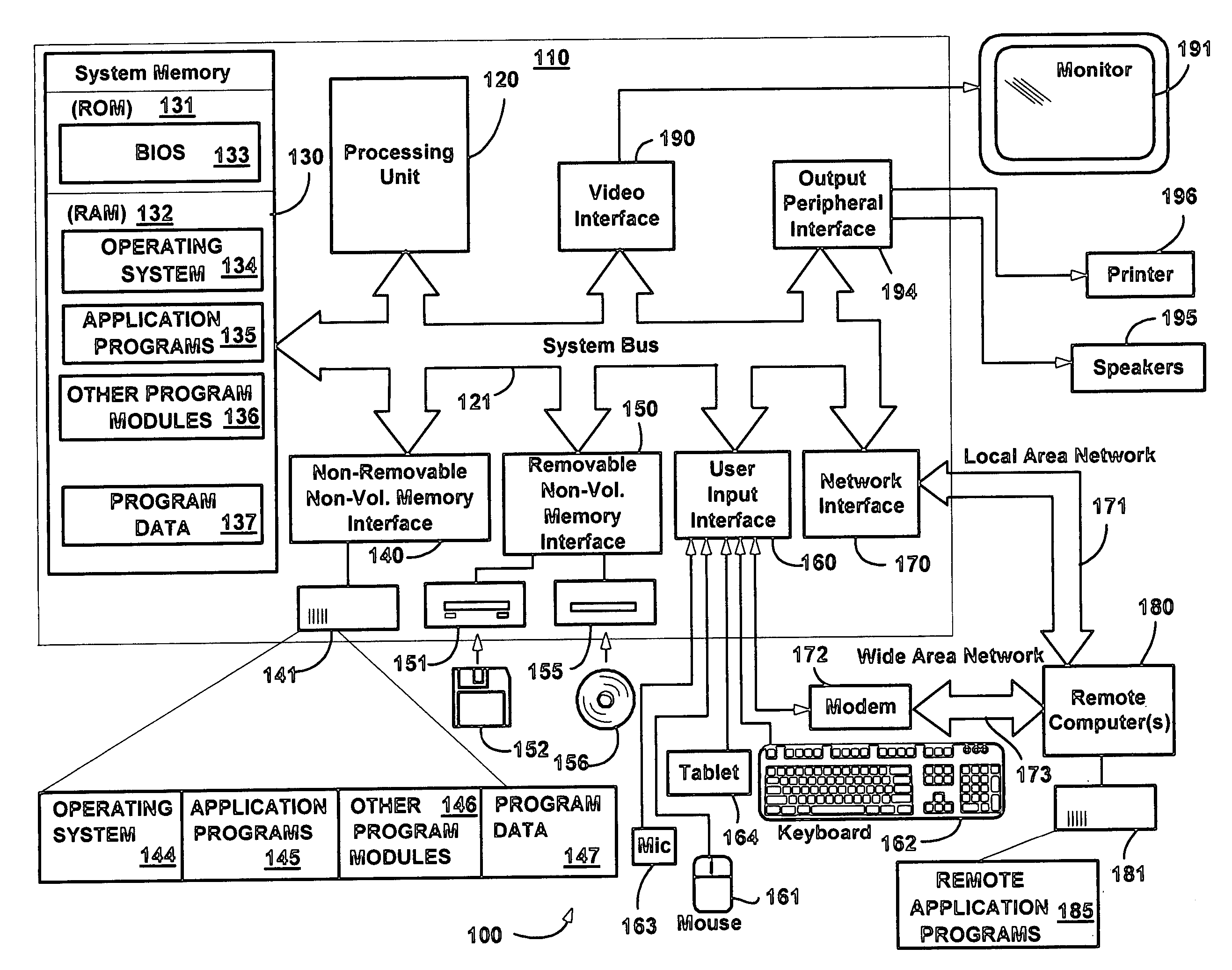
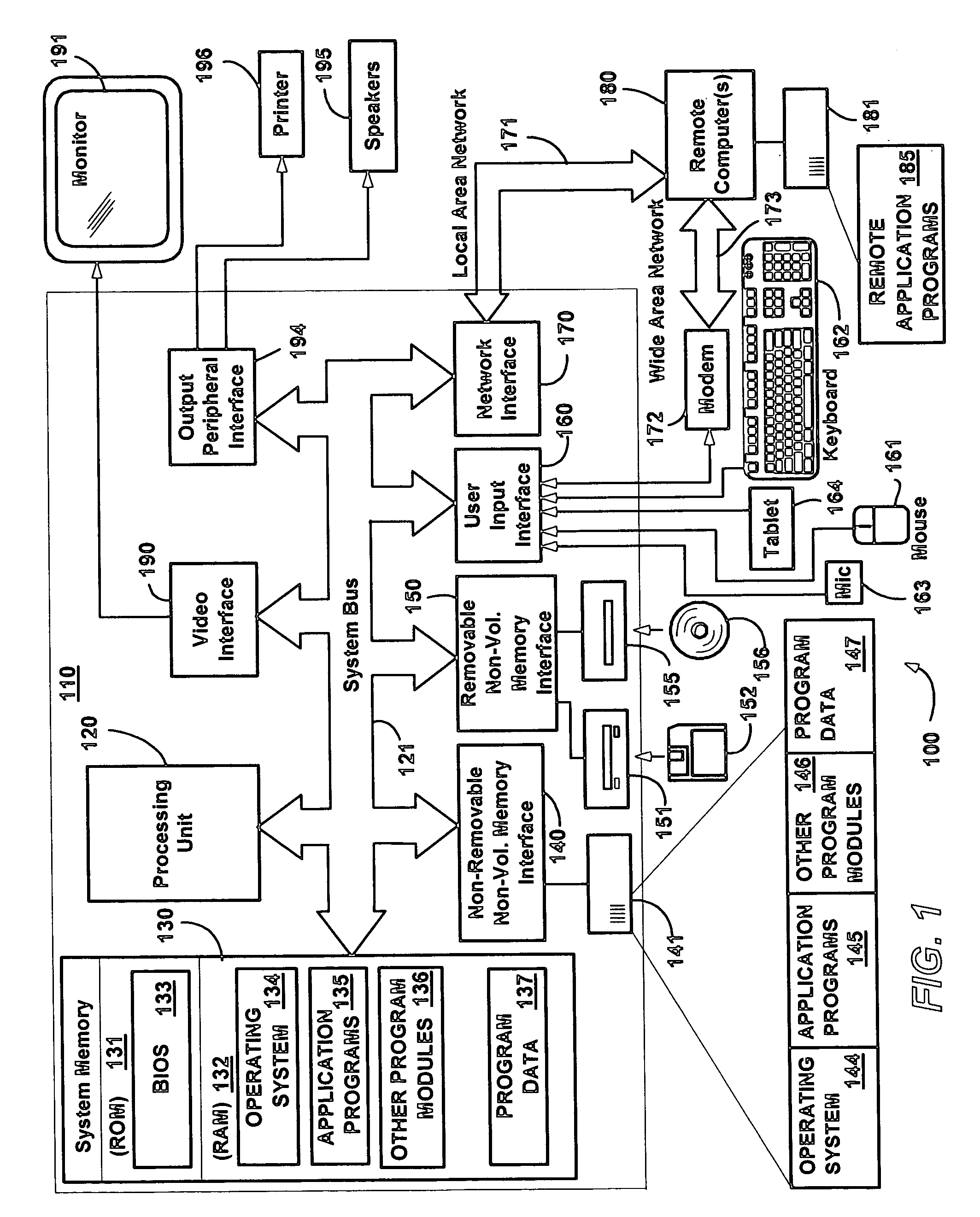
  • Figure 1
    Figure 1
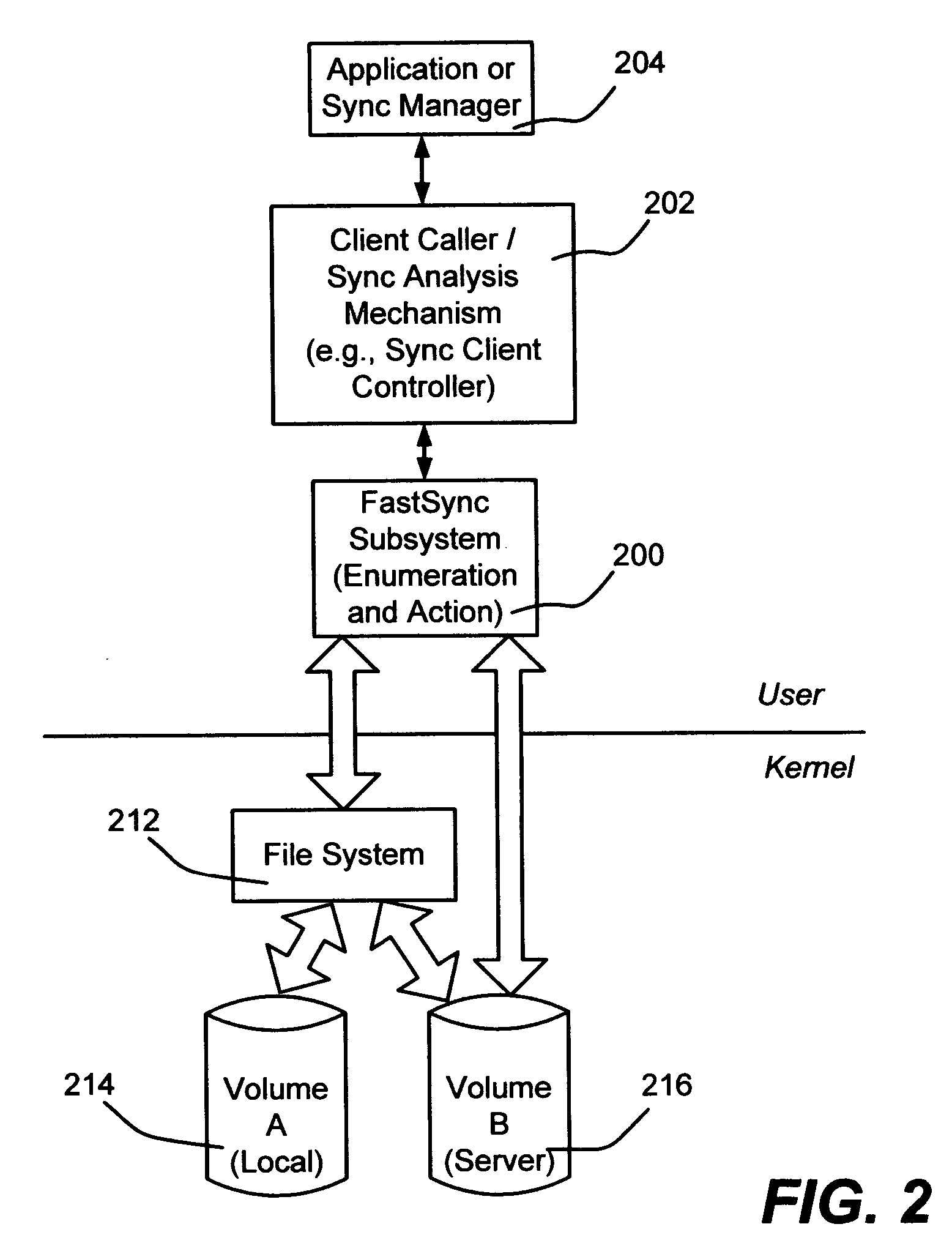
  • Figure 2
    Figure 2
  • Figure 3
    Figure 3
Patent Text Reader

Abstract

Described is a system and method that facilitates fast and reliable synchronization of computer/file system directories. A synchronization (FastSync) subsystem operates in a discovery/enumeration phase to provide a calling client with a set of the differences between directories, and then operates in an action phase to perform operations as directed by the client to synchronize the different directories. The discovery/enumeration and action phases use parallel operation and I/O (input/output) pipelining. Multiple threads are used during enumeration to enumerate each directory's children, and enqueues each sub-directory to be handled by a new thread. During the action phase, when an operation is requested, the FastSync subsystem packages up the operation, item pointer, and context information into an internal context block and queues that packet as a work item for a process thread pool to handle.
Need to check novelty before this filing date? Find Prior Art

Description

FIELD OF THE INVENTION

[0001] The invention relates generally to computer systems, and more particularly to computer files and directories. BACKGROUND

[0002] Computer users often need to disconnect from a network and work offline, such as when traveling, working at home, or at times when the network is down. As a result, various mechanisms have been directed to caching network information on a local computer to allow the information to be accessed when the local computer is disconnected from the network. Local caching also reduces the amount of data communicated between the network servers and a client working in an offline mode. Benefits to reducing the amount of transmitted data include a reduction in the server workload, a reduction in the client's perceived latency, and an increase in available network bandwidth.

[0003] Working offline usually changes the state of the offline directory hierarchy relative to the server directory hierarchy. Changes to the directories in the hierar...

Examples

Example

[0020]FIG. 1 illustrates an example of a suitable computing system environment 100 on which the invention may be implemented. The computing system environment 100 is only one example of a suitable computing environment and is not intended to suggest any limitation as to the scope of use or functionality of the invention. Neither should the computing environment 100 be interpreted as having any dependency or requirement relating to any one or combination of components illustrated in the exemplary operating environment 100.

[0021] The invention is operational with numerous other general purpose or special purpose computing system environments or configurations. Examples of well known computing systems, environments, and / or configurations that may be suitable for use with the invention include, but are not limited to: personal computers, server computers, hand-held or laptop devices, tablet devices, multiprocessor systems, microprocessor-based systems, set top boxes, programmable consu...