
Oxygenate-to-olefin conversions in a baffled reactor
a technology of baffled reactors and oxygenates, which is applied in the field of methods and systems for converting oxygenates to olefins, can solve the problems of the cost required for performing the conversion reaction, and achieve the effects of reducing the flow of feedstock, ensuring the practicality of the reactor, and improving the production of desirable light olefins
- Summary
- Abstract
- Description
- Claims
- Application Information
AI Technical Summary
Benefits of technology
Problems solved by technology
Method used
Image

Examples
Embodiment Construction
I. Overview of Reduced Size Reactor with Minimal Back-Mixing
[0027]This invention provides a system and method for performing an oxygenates-to-olefin reaction. The system and method minimize back-mixing of the feedstock flow while maintaining a practical reactor size. This allows for improved production of desirable light olefins while maintaining a desirable level of feedstock throughput in the reactor. The system and method also allow for reduction or minimization of temperature gradients in the reactor, which provides further control over the relative amounts of ethylene and propylene produced during a conversion reaction.
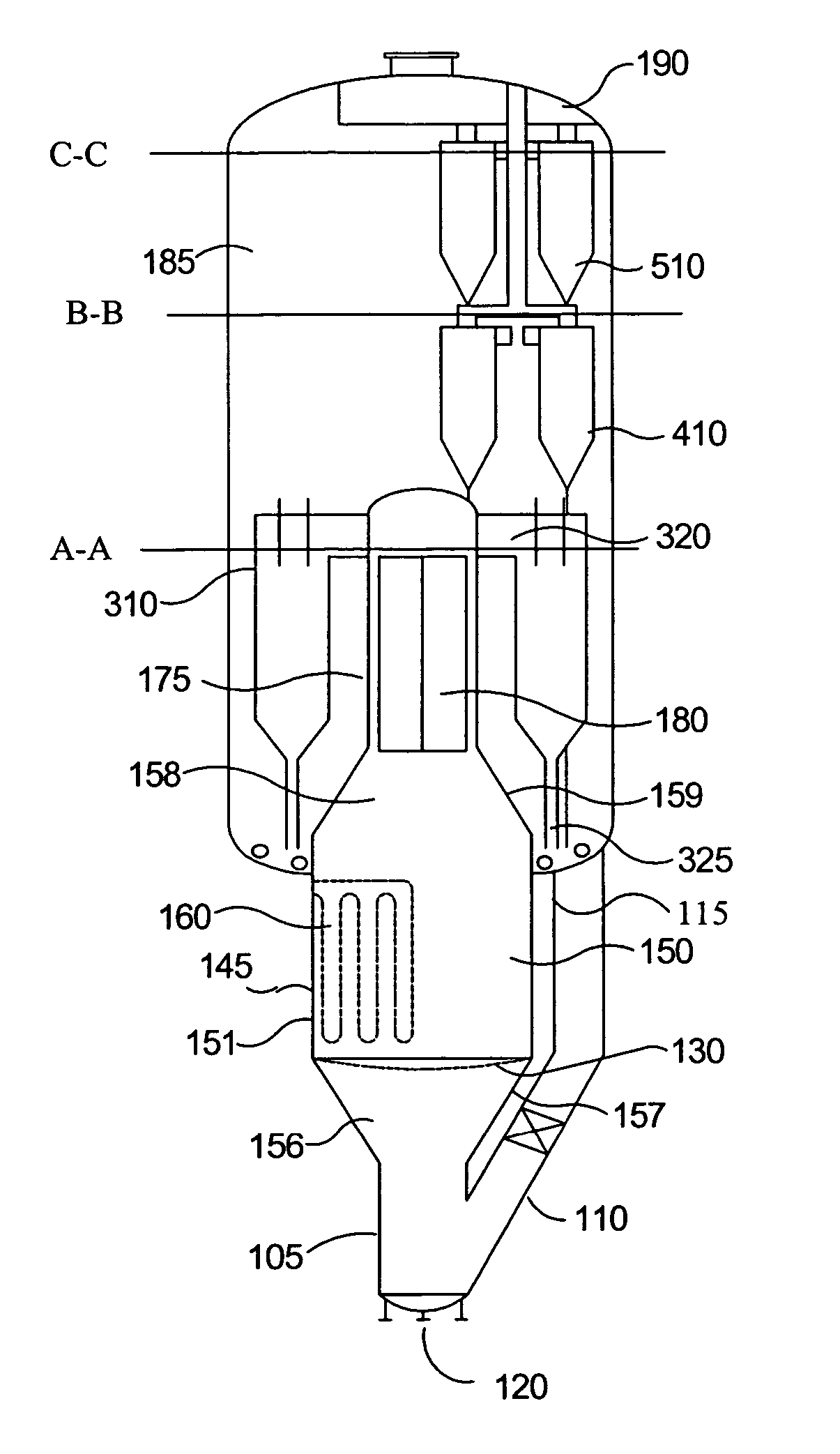
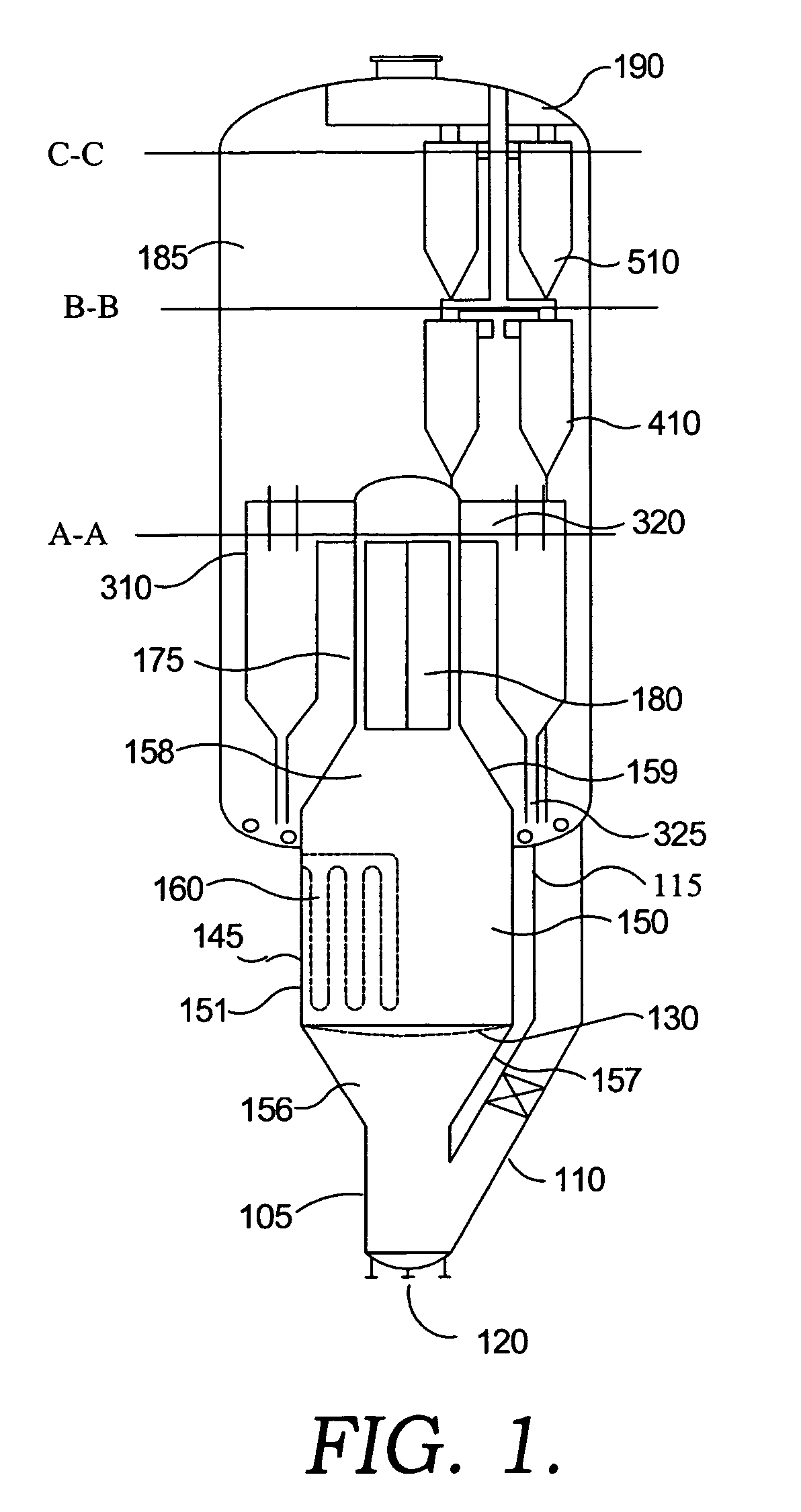
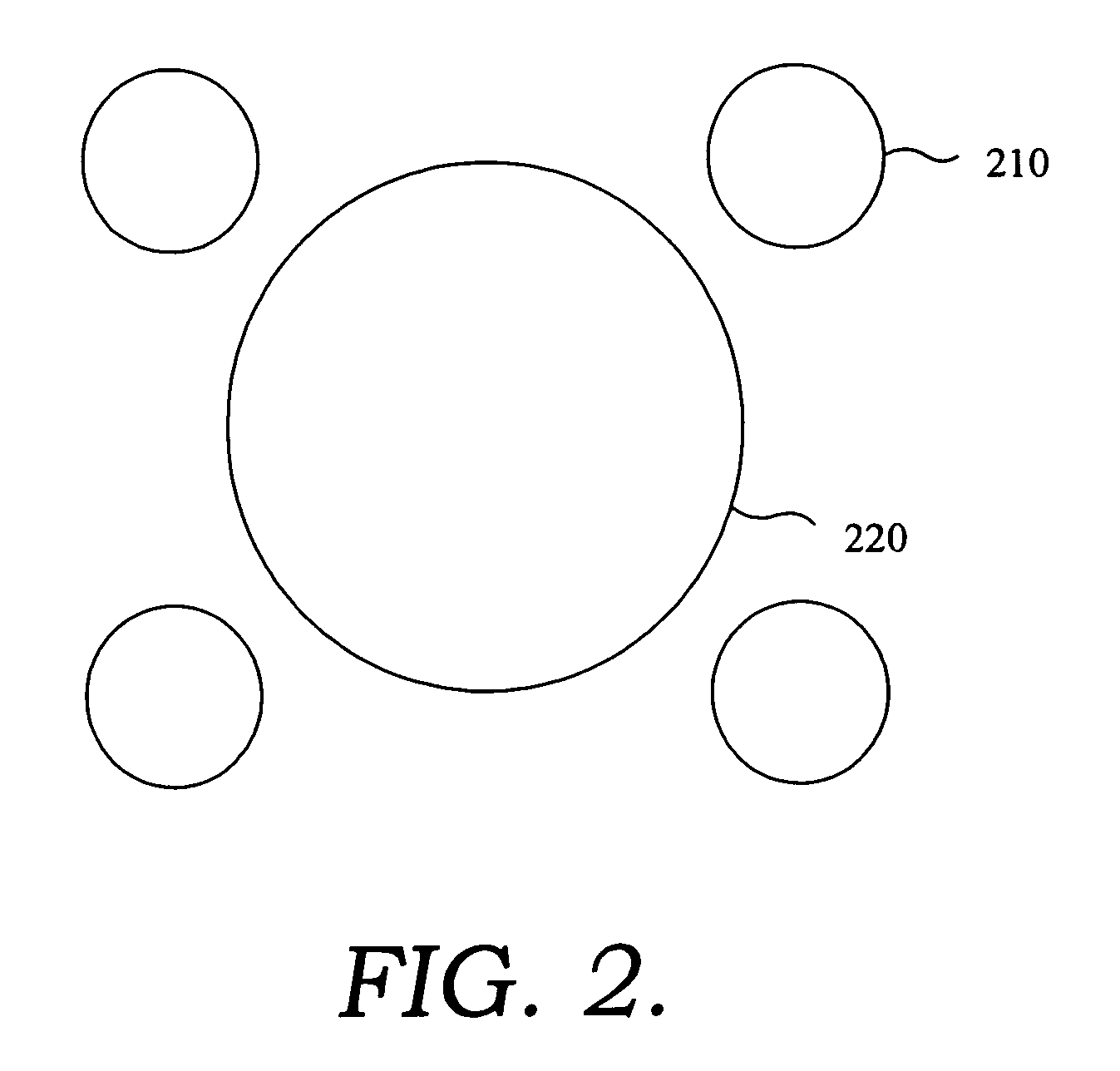
[0028]In an embodiment, the above advantages are achieved in part by providing a reactor having one or more baffled reaction zones. A baffled reaction zone allows a reactor with a larger diameter to behave like a plurality of reactors that each have a smaller effective diameter. A feedstock flow is introduced into the reactor and contacted with catalyst as the fl...
PUM
| Property | Measurement | Unit |
|---|---|---|
| superficial velocity | aaaaa | aaaaa |
| hydraulic diameter | aaaaa | aaaaa |
| temperature | aaaaa | aaaaa |
Abstract
Description
Claims
Application Information
 Login to View More