
Polyoxyalkylene polyol or monool and polyurethane resin
a polyol or monool and polyurethane technology, applied in the field of polyoxyalkylene polyol or monool, and a polyurethane resin, can solve the problems of insufficient reactivity of polyol, decrease in the number of functional groups, and mechanical properties deterioration, so as to achieve satisfactory mechanical properties and moisture resistance, satisfactory mechanical properties, and sufficient reactivity
Patent Information
- Authority / Receiving Office
- US · United States
- Patent Type
- Patents(United States)
- Current Assignee / Owner
- Publication Date
- 2016-07-12
Smart Images
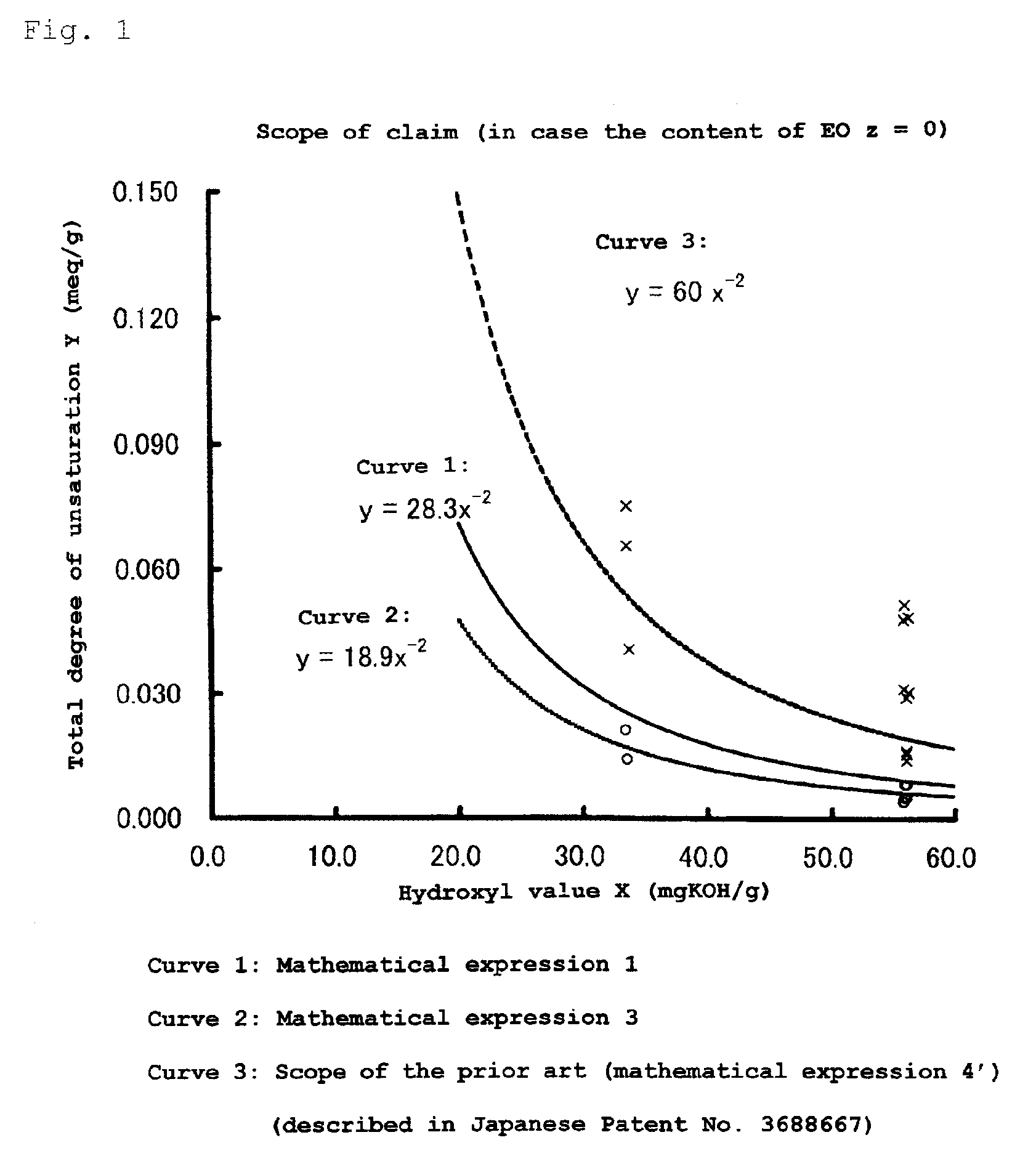
Figure 1 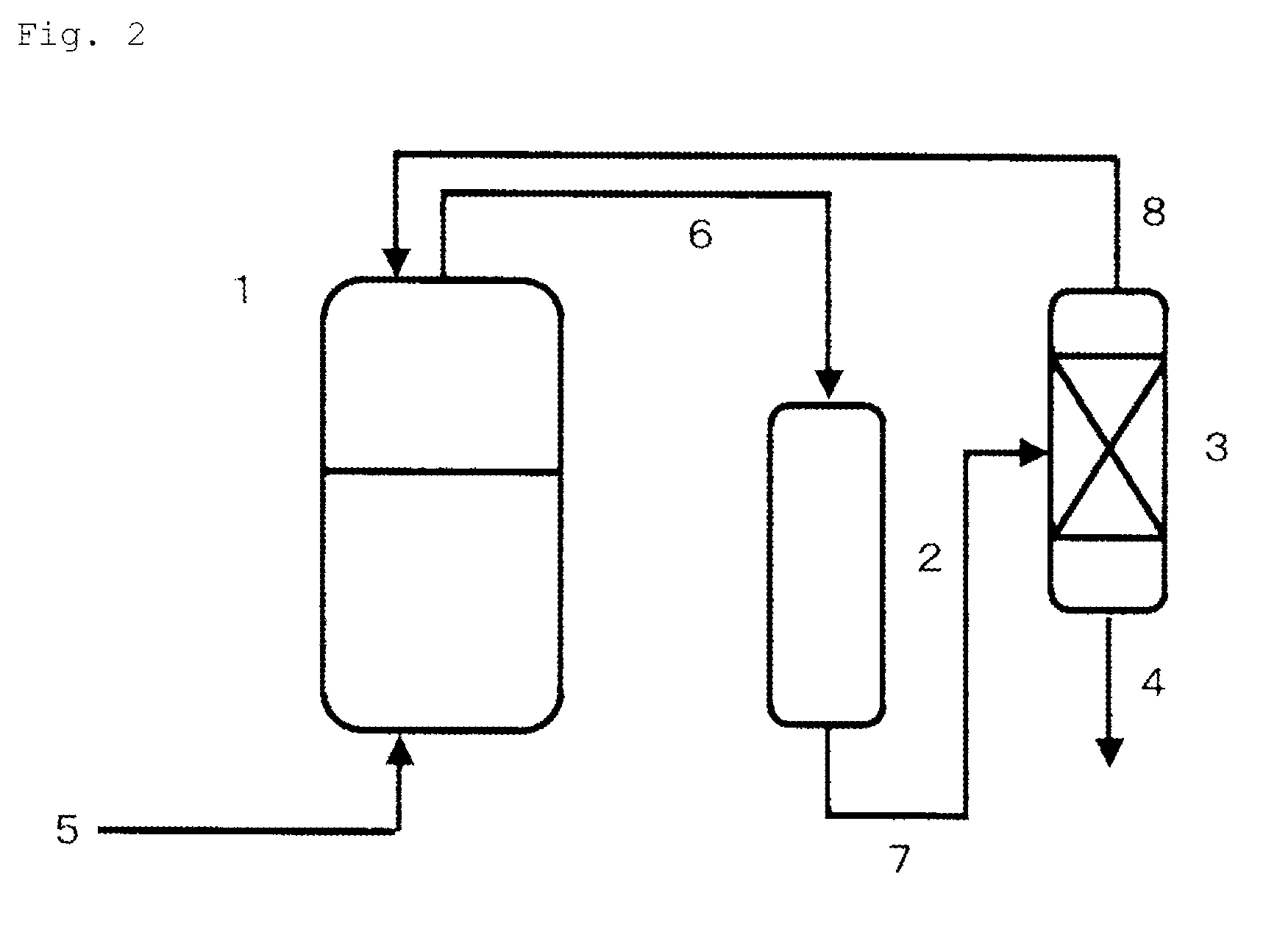
Figure 2 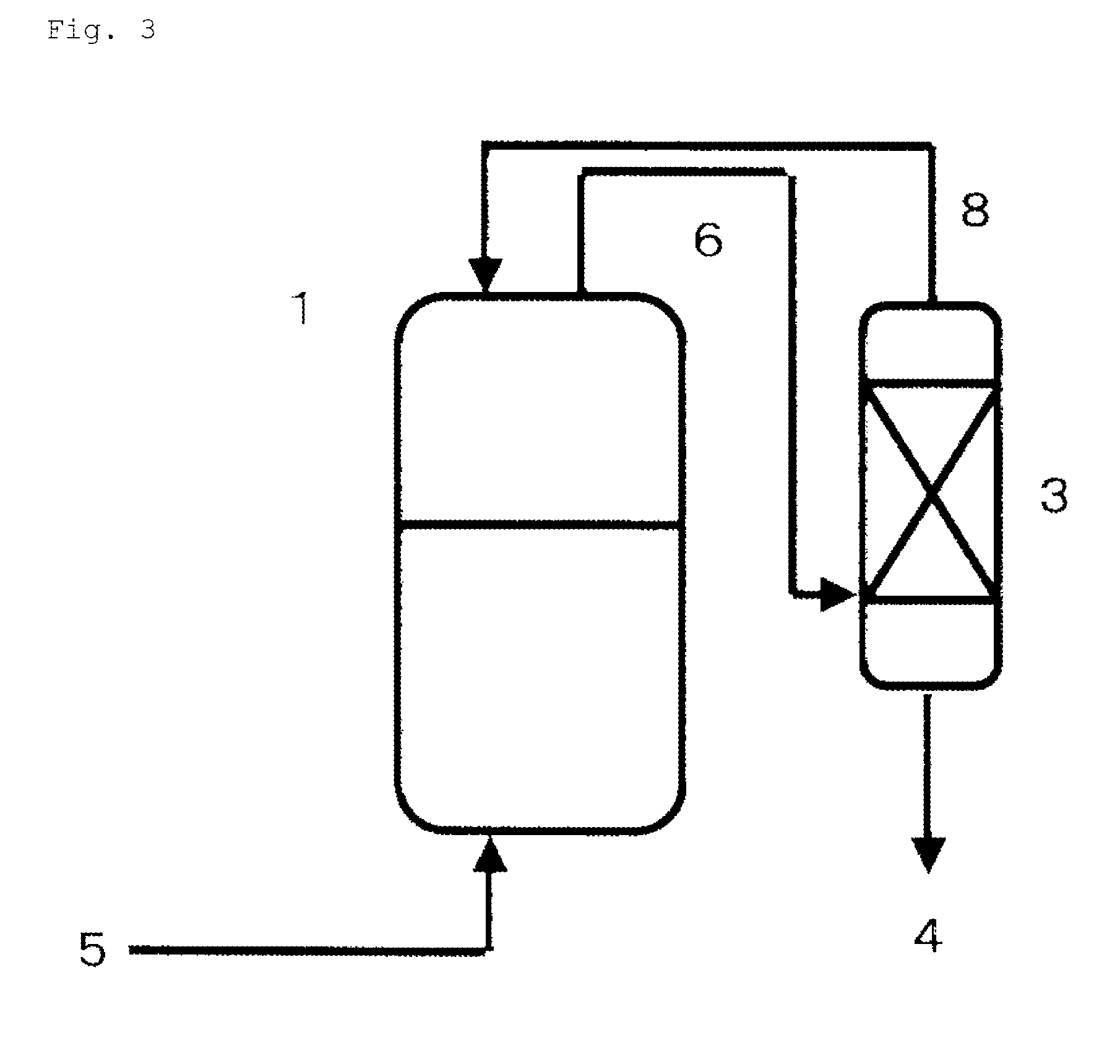
Figure 3
Abstract
Description
TECHNICAL FIELD
[0001] The present invention relates to a polyoxyalkylene polyol or monool, and a polyurethane resin using the same.BACKGROUND ART
[0002] Usually, a polyoxyalkylene polyol or monool is obtained by using an alkali metal such as potassium hydroxide as a catalyst, and performing addition polymerization of an active hydrogen-containing compound with an alkylene oxide such as propylene oxide or ethylene oxide. In the addition polymerization of PO using an alkali metal catalyst, a low molecular weight monool as a by-product is formed by transfer of PO to allyl alcohol. This low molecular weight monool as a by-product has a problem that it causes a decrease in the number of functional groups of the polyoxyalkylene polyol and a urethane resin using such a polyol causes deterioration of mechanical properties. Therefore, there is known a method of using cesium hydroxide or double metal cyanide as a catalyst in order to decrease the amount of such a low molecular weight monool as a...
Examples
example 1
[0137]Like the aspect shown in FIG. 2, an autoclave made of stainless steel as a reaction vessel (1) (having a capacity of 2500 ml) equipped with a stirrer, a temperature control device and a raw material supply line (5) was connected to a reaction column (2) (using two cylindrical tubes made of stainless steel, each measuring 5.5 cm in inner diameter and 30 cm in length) filled with 400 parts of magnesium oxide (granules, diameter of 2 to 0.1 mm) and a distillation column (3) (theoretical plate number of 30, cylindrical tube made of stainless steel, 5.5 cm in inner diameter and 2 m in length) through circulation lines (6), (7), (8).
[0138]In the reaction vessel (1), 400 g of a PO adduct of glycerin (hydroxyl value of 280) and 0.09 g of tris(pentafluorophenyl) borane were charged, and then each pressure in the autoclave {reaction vessel (1)} and the reaction column (2), and the circulation lines (6), (7), (8) was reduced to 0.005 MPa. While continuously charging PO in a liquid phase ...
example 2
[0140]Like the aspect shown in FIG. 3, an autoclave made of stainless steel as a reaction vessel (1) (having a capacity of 2500 ml) equipped with a stirrer, a temperature control device and a raw material supply line (5) was connected to a distillation column (3) (theoretical plate number of 50, cylindrical tube made of stainless steel, 5.5 cm in inner diameter and 3 m in length) through circulation lines (6), (8).
[0141]In the reaction vessel (1), 400 g of a PO adduct of glycerin (hydroxyl value of 280) and 0.09 g of tris(pentafluorophenyl) borane were charged, and then each pressure in the autoclave {reaction vessel (1)} and the reaction column (2), and the circulation lines (6), (8) was reduced to 0.005 MPa. While continuously charging PO in a liquid phase through the raw material supply line (5) with controlling so as to maintain the reaction temperature at 50 to 60° C., a vapor phase in the reaction vessel (1) was circulated at a flow rate of 5 L / minute in the order of the react...
example 3
[0143]Like the aspect shown in FIG. 4, an autoclave made of stainless steel as a reaction vessel (1) (having a capacity of 2500 ml) equipped with a stirrer, a temperature control device and a raw material supply line (5) was connected to an adsorption column (9) (cylindrical tube made of stainless steel, 5.5 cm in inner diameter and 30 cm in length) filled with 500 parts of molecular sieve 4A through circulation lines (6), (8).
[0144]A PO adduct (400 g) of glycerin (hydroxyl value of 280) and 0.09 g of tris(pentafluorophenyl) borane were charged, and then each pressure in the autoclave {reaction vessel (1)} and the adsorption column (9), and the lines (6), (8) was reduced to 0.005 MPa. While continuously charging PO through the raw material supply line (5) with controlling so as to maintain the reaction temperature at 50 to 60° C., a vapor phase in the reaction vessel (1) was circulated at a flow rate of 5 L / minute in the order of the reaction vessel (1)→the vacuum line (6)→the adsor...