
Kit for detecting chlamydia pneumoniae IgM antibody
A Chlamydia pneumoniae and kit technology, applied in measurement devices, instruments, scientific instruments, etc., can solve the problems of high background, high isoelectric point of avidin, high non-specific adsorption, etc., and achieve low cost, high sensitivity, good stability
- Summary
- Abstract
- Description
- Claims
- Application Information
AI Technical Summary
Problems solved by technology
Method used
Image

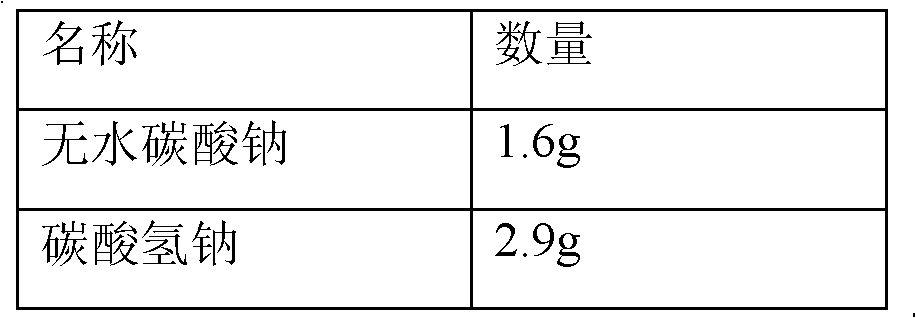
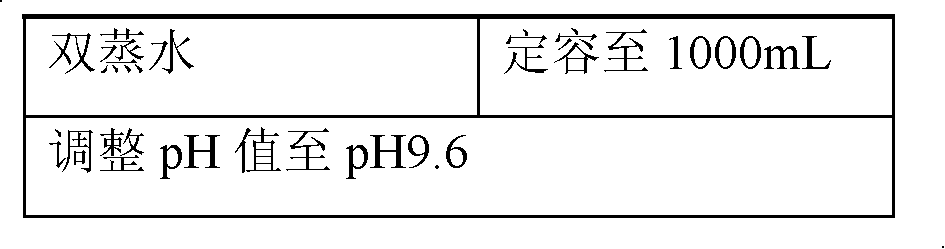
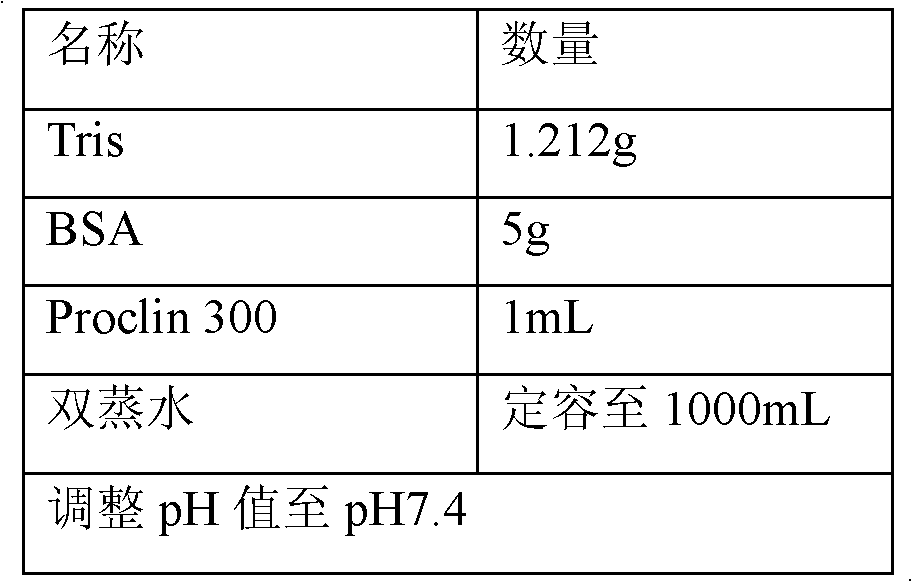
Examples
Embodiment 1
[0015] Embodiment 1 kit preparation method of the present invention
[0016] 1, the kit of the present invention comprises:
[0017] 1) Chlamydia pneumoniae IgM positive control; 2) Chlamydia pneumoniae IgM negative control; 3) Chlamydia pneumoniae IgM calibrator; 4) microwell plate coated with avidin; 5) biotinylated Chlamydia pneumoniae antigen; 6) anti-human IgM enzyme marker; 7) 20-fold concentrated washing solution; and 8) chemiluminescence substrate solution.
[0018] Wherein, the microporous plate is a microporous strip with 24, 48 or 96 holes;
[0019] Anti-human IgM is goat anti-human IgM polyclonal antibody, rabbit anti-human IgM polyclonal antibody or mouse anti-human IgM monoclonal antibody;
[0020] Enzyme is horseradish peroxidase;
[0021] Chemiluminescence substrate solution: A solution and B solution.
[0022] 2, the preparation method of No. I kit of the present invention:
[0023] Prepare the positive control with Chlamydia pneumoniae IgM positive serum...
Embodiment 2
[0071] Embodiment 2. Comparative test of the kit chemiluminescent substrate of the present invention and the commercially available chemiluminescent substrate
[0072] Control kit: the same as the kit in Example 1, except that the chemiluminescent substrate solution (purchased from Huzhou Yingchuang Biotechnology Co., Ltd.) was used as a commercially available chemiluminescent substrate.
[0073] The test samples in step 1 were 254 samples of respiratory tract infection and 358 blood samples of healthy people in Example 1.
[0074] The detection operation steps are the same as those in Step 3 of Example 1.
[0075] The results are shown in Table 4.
[0076] Table 4. No. I kit chemiluminescent substrate of the present invention is compared with the chemiluminescent substrate sold in the market
[0077]
[0078] The data described in Table 4 shows that the positive coincidence rate of the No. I kit chemiluminescent substrate of the present invention and the comparative chem...
PUM
 Login to View More
 Abstract
Description
Claims
Application Information
 Login to View More