Surgical robot with hybrid passive/active control

一种机器人、外科的技术,应用在外科机器人、机器人、程序控制机械手等方向,能够解决仅由计算机控制等问题

CN103230301AActive Publication Date: 2013-08-07THE CHINESE UNIVERSITY OF HONG KONG +1
7 Cites 16 Cited by

Patent Information

Authority / Receiving Office
CN · China
Patent Type
Applications(China)
Current Assignee / Owner
Publication Date
2013-08-07

Smart Images

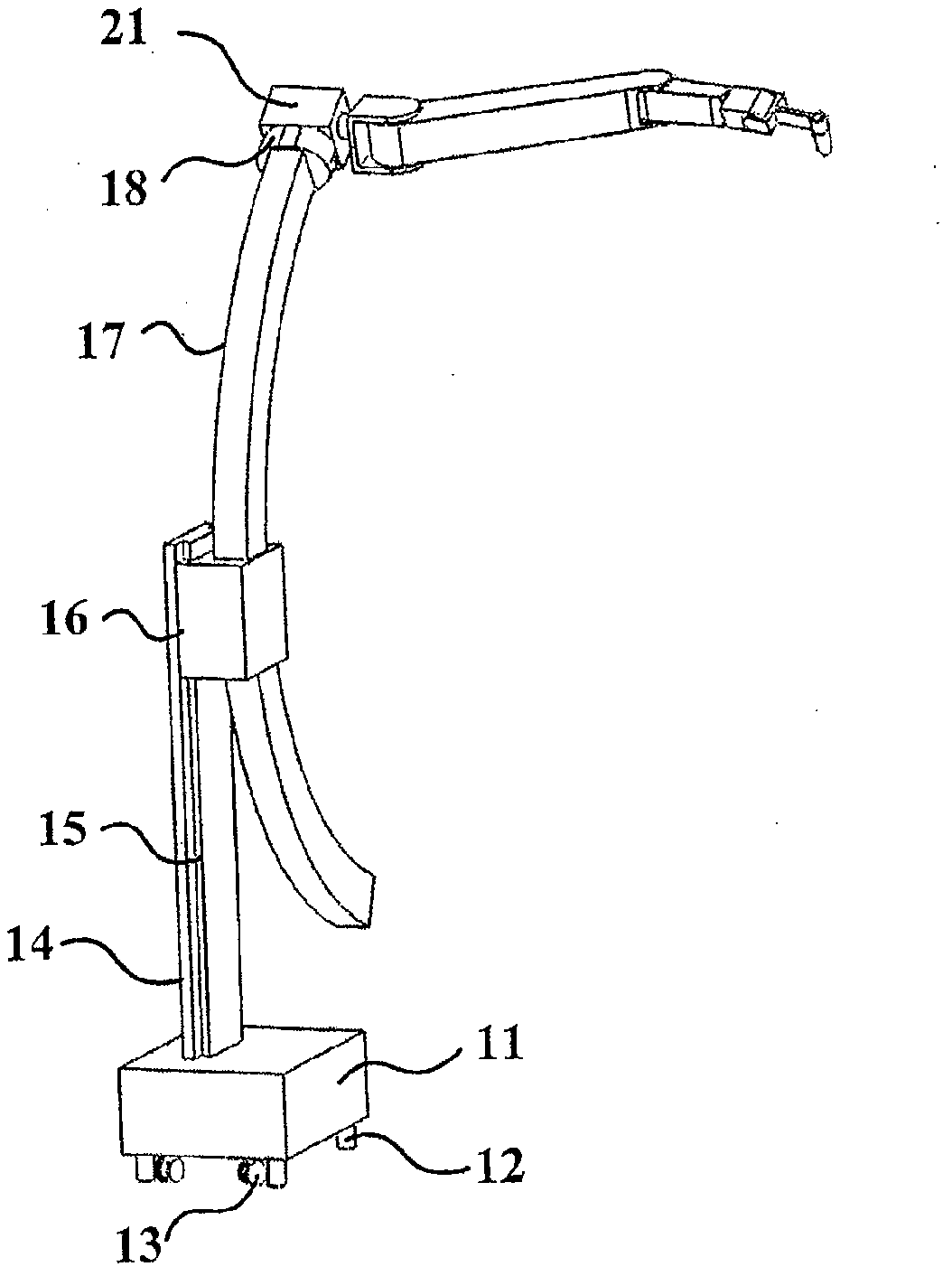
  • Figure 1
    Figure 1
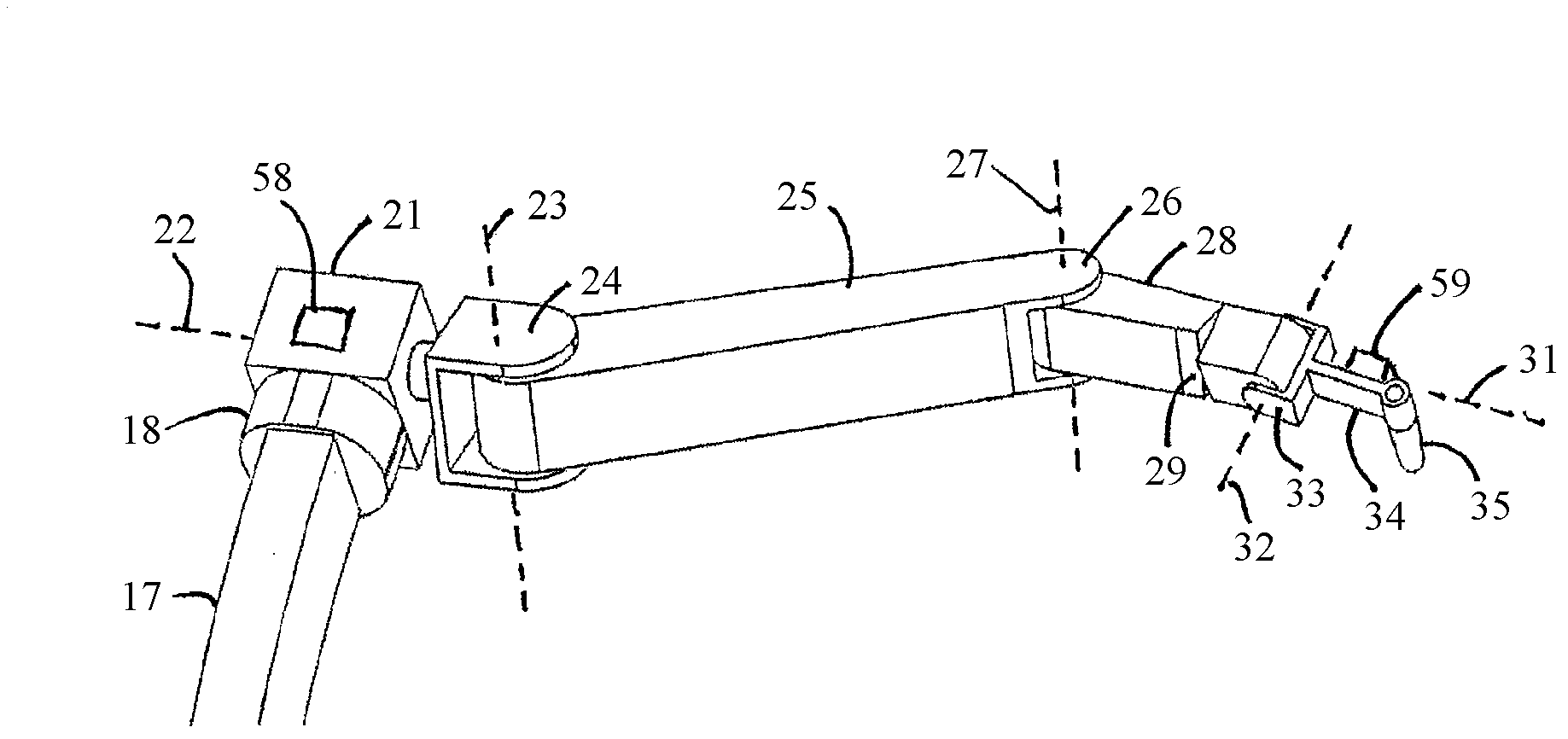
  • Figure 2
    Figure 2
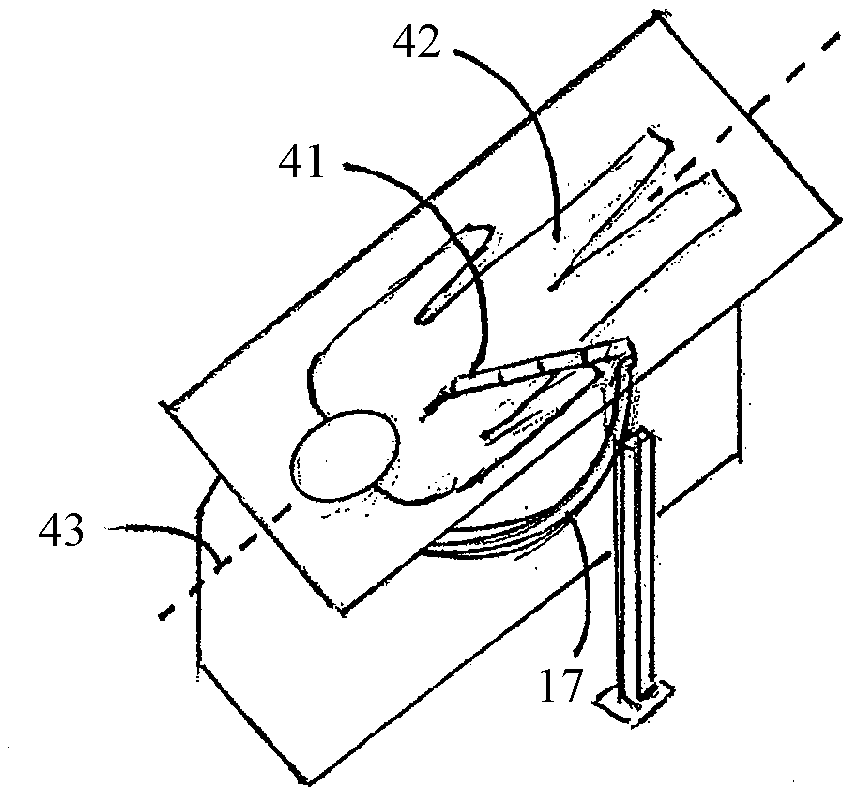
  • Figure 3
    Figure 3
Patent Text Reader

Abstract

A surgical robot with seven degrees of freedom, including various types of joints, offers a hybrid active-passive control for operation both manually and by programmed navigation. One of the degrees of freedom allows the robot to be moved efficiently around the axis of a patient's body to provide ample workspace for surgical procedures in an operating room.
Need to check novelty before this filing date? Find Prior Art

Description

technical field

[0001] The present invention relates to surgical robots, and more particularly to control methods for operating such robots. Background technique

[0002] Robotic systems have been used in clinical practice for more than 20 years. During these 20 years, the theory, technology and clinical application of surgical robots have made great progress. While the robots initially used for surgical applications were industrial robots, specialized robots have since been developed that are specially designed to meet the specific needs of surgical procedures.

[0003] Industrial robots are designed for use in structured environments, i.e., every element of the environment is fixed. Thus, such robots can repeatedly perform pre-programmed tasks without human intervention. In contrast, the environment in surgery is completely unstructured, not only because of differences in body size between different patients, but also because different surgeries involve different and com...

Examples

Embodiment Construction

[0014] The term "prismatic joint" is used herein to refer to sliding joints that have only one degree of translation (usually in a linear direction) and do not allow rotation of one part relative to the other. The term "arc-shaped sliding joint" is used in this text to refer to a sliding joint in which the motion of a part follows an arc or a fixed curve that is not straight. A typical arcuate sliding joint is a joint having a curved beam and a mating member, wherein the mating member engages the curved beam such that the curved beam can slide within or along the mating member. An arcuate sliding joint is thus a form of translational joint in that it does not allow a curved beam to rotate about an axis tangent to the curve of the curved beam. The term "revolute joint" refers herein to a joint capable of rotational movement about a single axis and not capable of sliding movement. While each of the joints described in this paragraph has a single degree of freedom, two or more j...