
Sliding Window Search Method Based on Hierarchical Segmentation
A technique for hierarchical segmentation and search methods, applied in the field of computer vision
- Summary
- Abstract
- Description
- Claims
- Application Information
AI Technical Summary
Problems solved by technology
Method used
Image

Examples
Embodiment Construction
[0028] The present invention will be further described in detail below in conjunction with the accompanying drawings and specific embodiments.
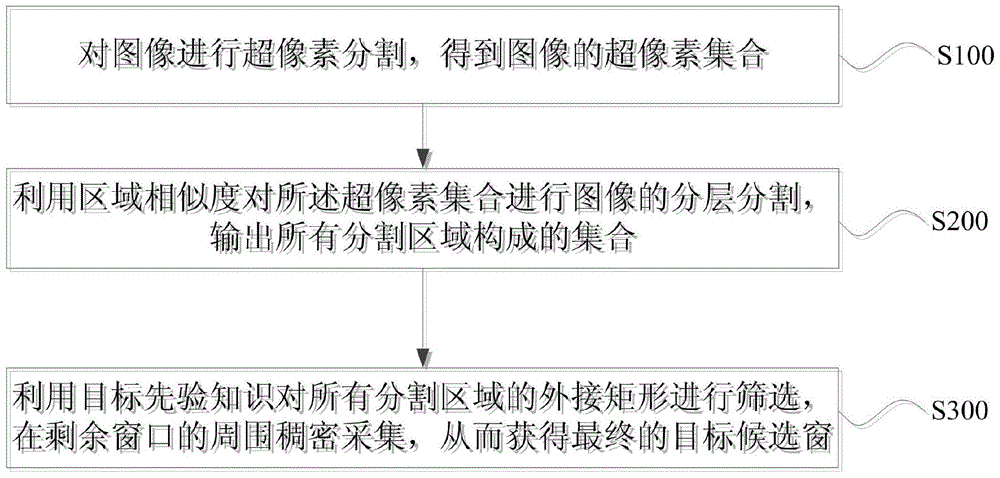
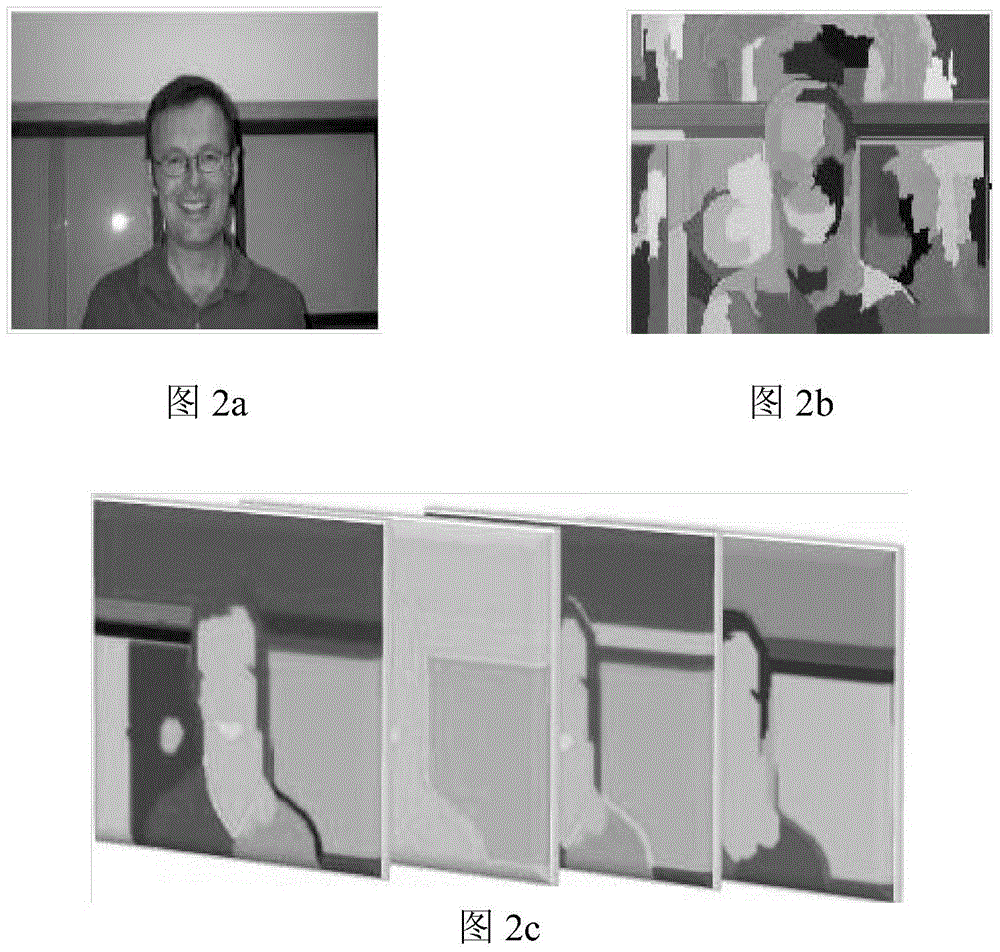
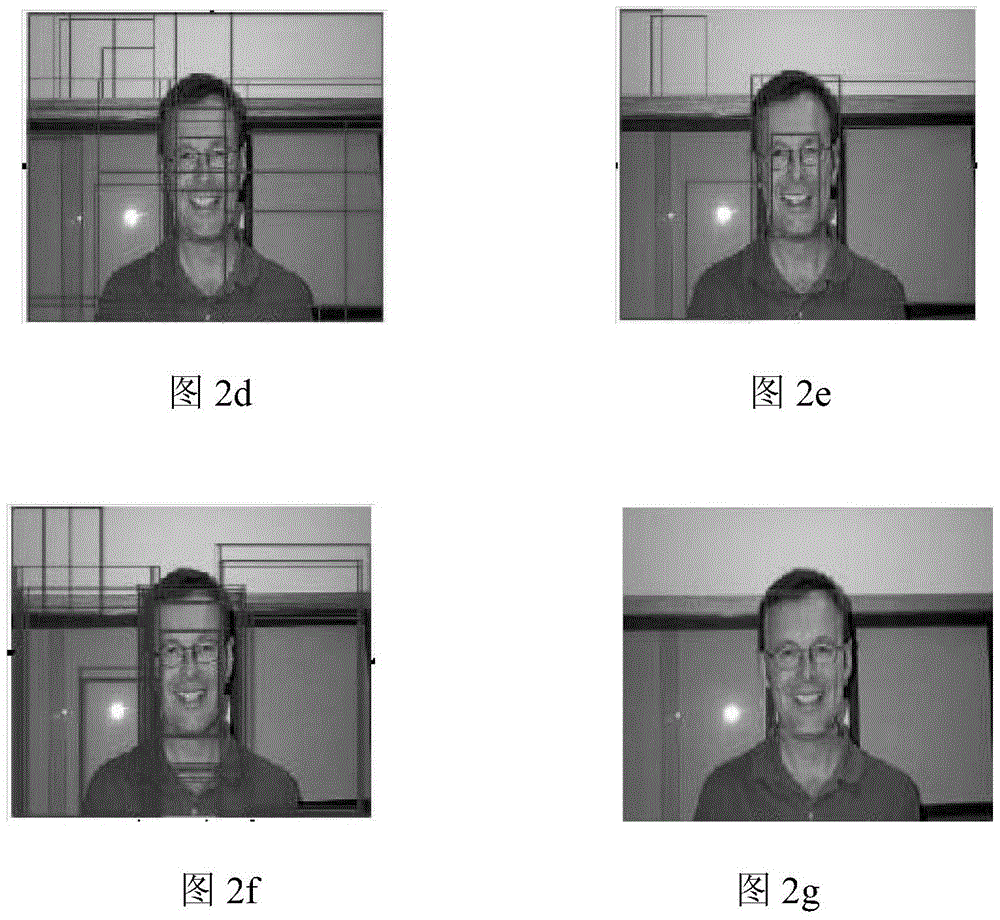
[0029] Such as figure 1 with figure 2 As shown, a kind of sliding window search method based on hierarchical segmentation of the present invention comprises:
[0030] S100. Perform superpixel segmentation on image I, and denote the segmented superpixel set as
[0031] Image segmentation is to subdivide an image into subregions or objects that make it up, and propose objects of interest from them. The degree of segmentation depends on the problem to be solved. In this embodiment, the degree of segmentation is an adjustable and important indicator: if the segmentation is too fine, it can almost guarantee that an area corresponds to only one target, but a complete target will be divided into multiple parts. This increases the computational burden of subsequent processing; if the segmentation is too rough, it is difficult to ensure ...
PUM
 Login to View More
 Abstract
Description
Claims
Application Information
 Login to View More