Method for determining dynamic stability coefficient of creep-type side slope

A technology of dynamic stability and stability coefficient, applied in the direction of electrical digital data processing, special data processing applications, instruments, etc. Not knowing the formation mechanism and mechanical dynamics and other issues

CN103886176AActive Publication Date: 2014-06-25QINGDAO TECHNOLOGICAL UNIVERSITY
2 Cites 23 Cited by

Patent Information

Authority / Receiving Office
CN · China
Patent Type
Applications(China)
Current Assignee / Owner
Publication Date
2014-06-25

Smart Images

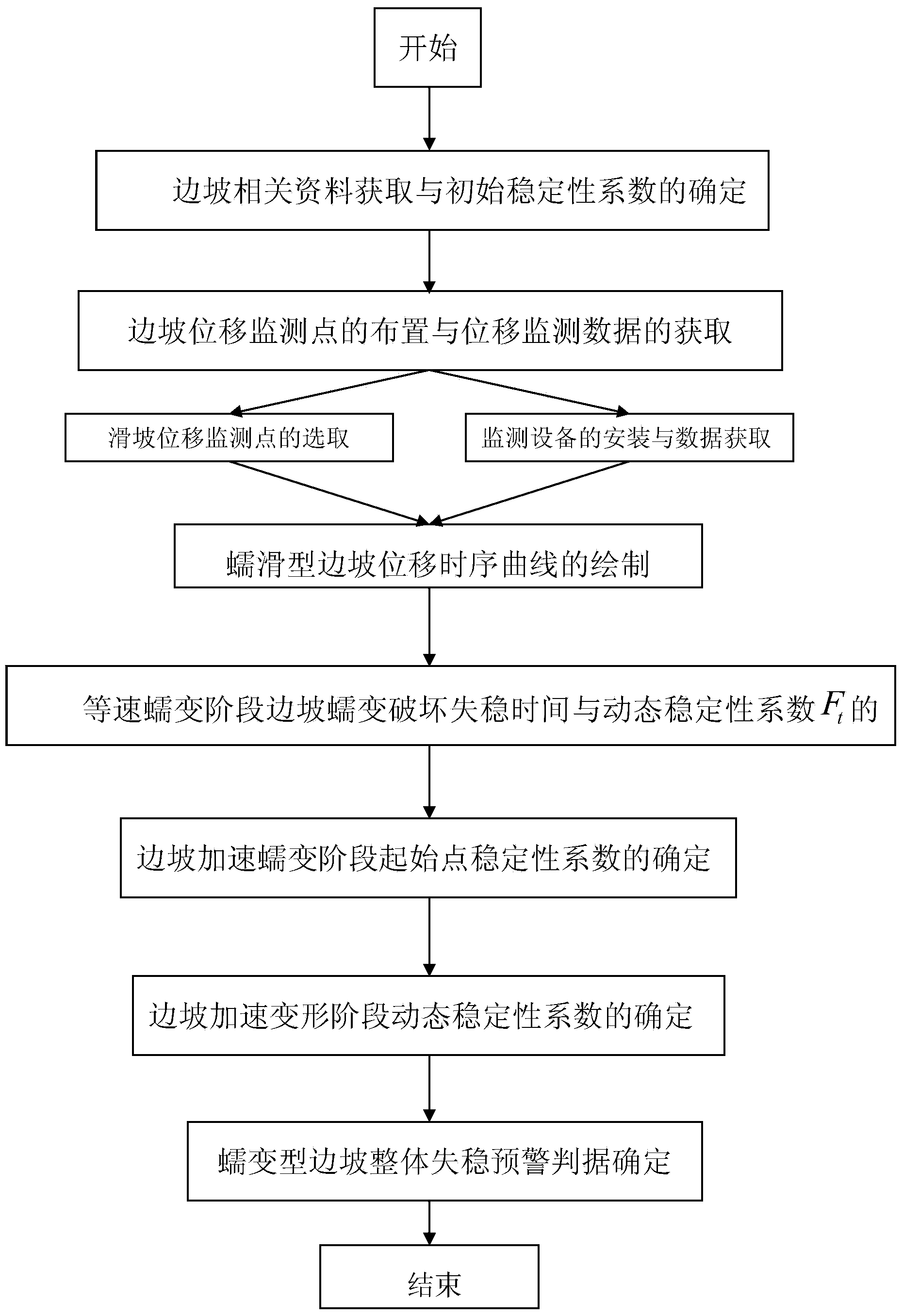
  • Figure 1
    Figure 1
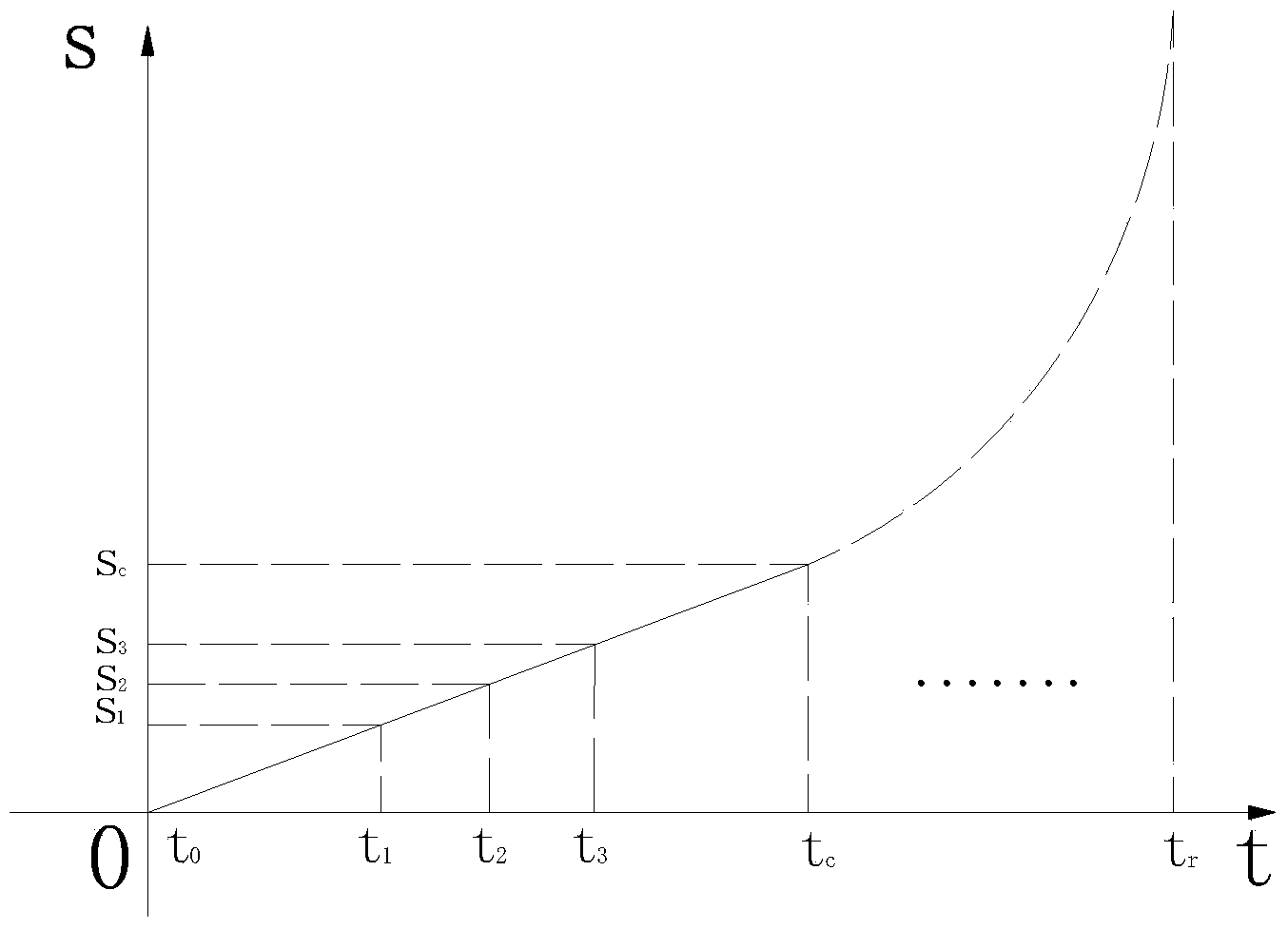
  • Figure 2
    Figure 2
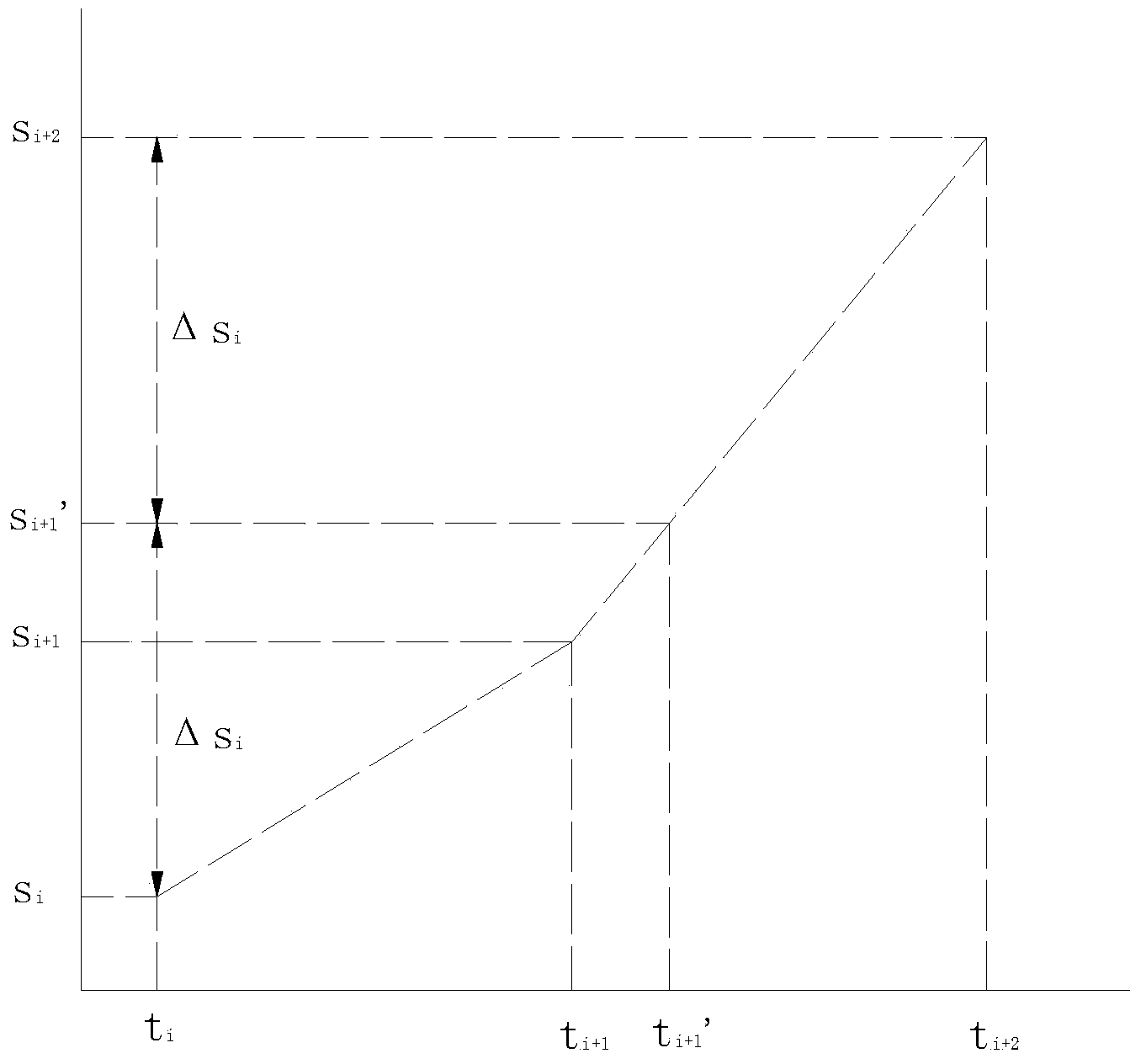
  • Figure 3
    Figure 3
Patent Text Reader

Abstract

The invention relates to a quantitative evaluation method for dynamic stability of a creep-type side slope, in particular to a method for determining a dynamic stability coefficient of the creep-type side slope. The method includes the following steps: (1), measuring related parameters of the side slope and determining an initial stability coefficient F0; (2), arranging side slope displacement monitoring points and acquiring displacement monitoring data; (3), determining side slope creep rupture instability time and a stability coefficient Ft in a constant-speed creep stage; (4), determining an initial point tc and a stability coefficient Ftc in a side slope accelerated creep stage; (5), determining the dynamic stability coefficient in an accelerated deformation stage of the creep-type side slope; (6), determining a criterion for early warning of instability of the creep-type side slope. By the method, instability time of the creep-type side slope and landslide safety coefficients of the side slope at any time can be determined clearly, the limitation of incapability of analyzing and evaluating the dynamic stability of the side slop in real time according to conventional balance methods is overcome, and efficiency of dynamic stability evaluation and monitoring and early warning of the complex creep-type side slope can be greatly improved.
Need to check novelty before this filing date? Find Prior Art

Description

technical field

[0001] The invention relates to a slope prevention technology, in particular to a method for quantitatively evaluating the dynamic stability of a creeping slope. Background technique

[0002] Landslide is an extremely important content in the current field of natural disaster research. From the perspective of geological disasters, landslides are common, widely distributed and extremely harmful geological disasters, which often bring great harm to national economic construction and people's lives and properties. to a huge loss. According to the characteristics of slope deformation and instability, landslides can be divided into sudden-type landslides and gradual creep-type landslides, among which the gradual creep-type landslides account for a large proportion of slope instability, loose soil slopes, accumulation layer slopes , weathered rock slopes, and all kinds of soft rock slopes are gradual creeping landslides. Therefore, how to scientifically and effect...

Examples

Embodiment Construction

[0066] In order to better illustrate the present invention, a creeping homogeneous slope is taken as an example in further detail below in conjunction with the accompanying drawings. The slope began to deform slowly on January 21, 1990, and real-time monitoring of the slope began on March 25, 1990, and its displacement values ​​were recorded and analyzed. The side slope did not undergo any reinforcement treatment during the process from excavation to instability warning, and the instability and failure occurred around October 1991 under the action of a constant gravity field. After analyzing this side slope possesses the application condition of this invention, its specific implementation plan step operation and process are as follows:

[0067] Step 1: Acquisition of slope related parameters and determination of initial stability coefficient

[0068] According to "Code for Geotechnical Engineering Survey" (GB50021-2009) and "Code for Slope Engineering Geological Survey of Hyd...