
A kind of method for cleaning hemp fiber degumming
A degumming method and hemp fiber technology, which is applied in the fields of textile, biology and environmental protection, can solve the problems of pollution, high cost of hemp fiber chemical degumming technology, and short chemical degumming cycle
- Summary
- Abstract
- Description
- Claims
- Application Information
AI Technical Summary
Problems solved by technology
Method used
Image

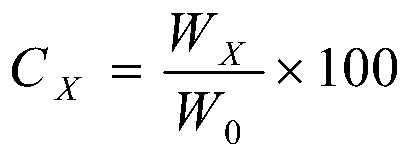
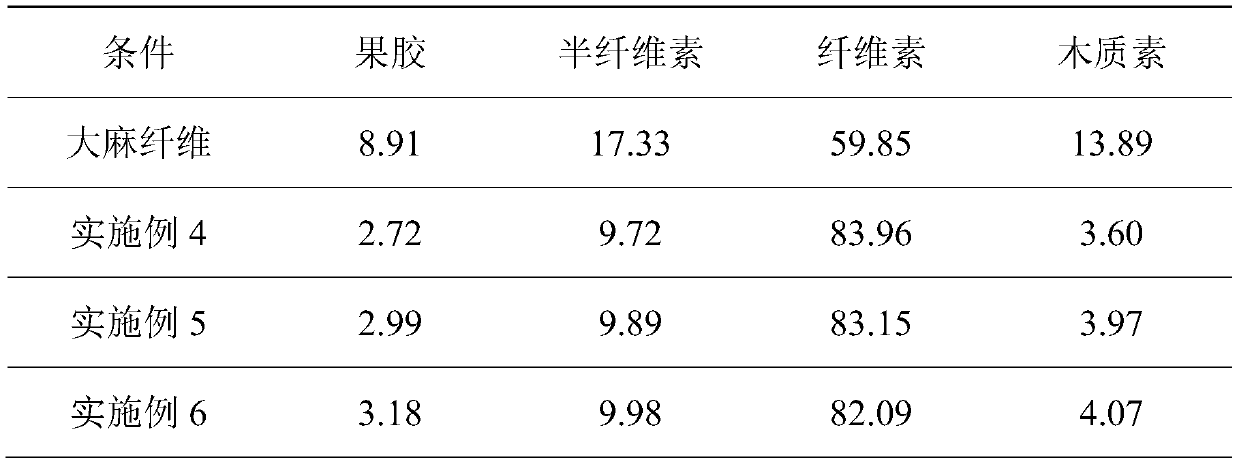
Examples
Embodiment 1
[0059] Example 1 Application of Plant Cellulose Extractant in Hemp Fiber Degumming Project
[0060] 1. Preparation of cooking liquid: preparation of cellulose extracting agent—the volume ratio of liquid A to liquid B is 5:1; then dilute with water at a ratio of 1:10 to prepare cooking liquid.
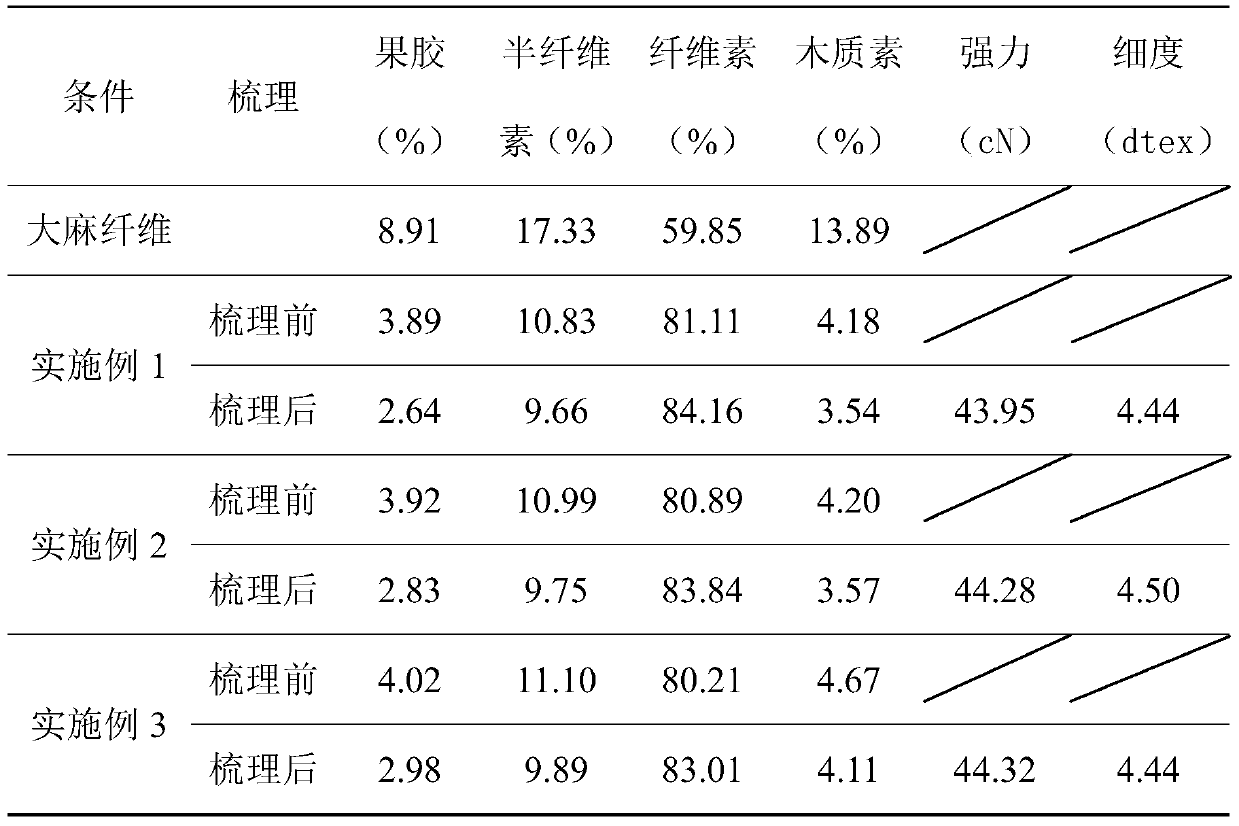
[0061] 2. Process: Combing 5kg of hemp fiber raw material for impurity removal; liquor ratio of 1:10; adding cooking liquid and cooking for 50 minutes; cooking temperature at 80°C; hemp fiber components before and after washing, bleaching, drying, health preservation, and fine carding The test results are shown in Table 1, specifically:
[0062] Step 1: Opening, removing impurities and combing the hemp fiber.
[0063] Step 2: put 5 kg of the preliminarily carded hemp fiber into a cooking pot, and add the prepared cooking liquid; the cooking bath ratio is 1:10; normal pressure, cooking temperature 80°C; cooking time 50min.
[0064] Step 3: send the hemp fiber after cooking into the was...
Embodiment 2
[0067] 1. Cooking liquid preparation: all the cooking raffinate (residue with solid content≦10%) obtained in step 2 in Example 1 is used as a part of the cooking liquid, and according to the liquor ratio requirements, the insufficient part of the cooking liquid is prepared in Example 1 Cooking liquid (that is, the volume ratio of liquid A and liquid B is 5:1; then diluted with water at a ratio of 1:10, the prepared cooking liquid) is supplemented (the newly prepared cooking liquid accounts for 30% of the total cooking liquid) .
[0068] 2. The process is the same as in Example 1, and the hemp fiber component test results are shown in Table 1.
Embodiment 3
[0070] 1. Cooking liquid preparation: all the cooking raffinate (residue with solid content≦10%) obtained in step 2 in Example 2 is used as a part of the cooking liquid, and according to the liquor ratio requirements, the insufficient part of the cooking liquid is prepared in Example 1 The cooking liquid is replenished (the newly prepared cooking liquid accounts for 30% of the whole cooking liquid).
[0071] 2. The process is the same as in Example 1, and the hemp fiber component test results are shown in Table 1.
[0072] See Table 1 for the degumming effect of the hemp fibers cooked in Example 1, Example 2, and Example 3—that is, fiber index detection (cellulose, hemicellulose, pectin, lignin, fineness, and strength). It can be seen from Table 1 that the cellulose content is greatly increased; lignin and pectin are effectively reduced; the fineness and strength meet the requirements of spinnable high-count blended yarn. The cooking liquor developed by this patent can be wel...
PUM
 Login to View More
 Abstract
Description
Claims
Application Information
 Login to View More