

Magneto-optical trap ion source
a technology of ion source and magnetooptical trap, which is applied in the direction of ion beam tube, maser, instruments, etc., can solve the problems of limiting the number of different ionic species that can be implemented in a liquid metal ion source, and affecting the broader application of the technology
- Summary
- Abstract
- Description
- Claims
- Application Information
AI Technical Summary
Problems solved by technology
Method used
Image

Examples
Embodiment Construction
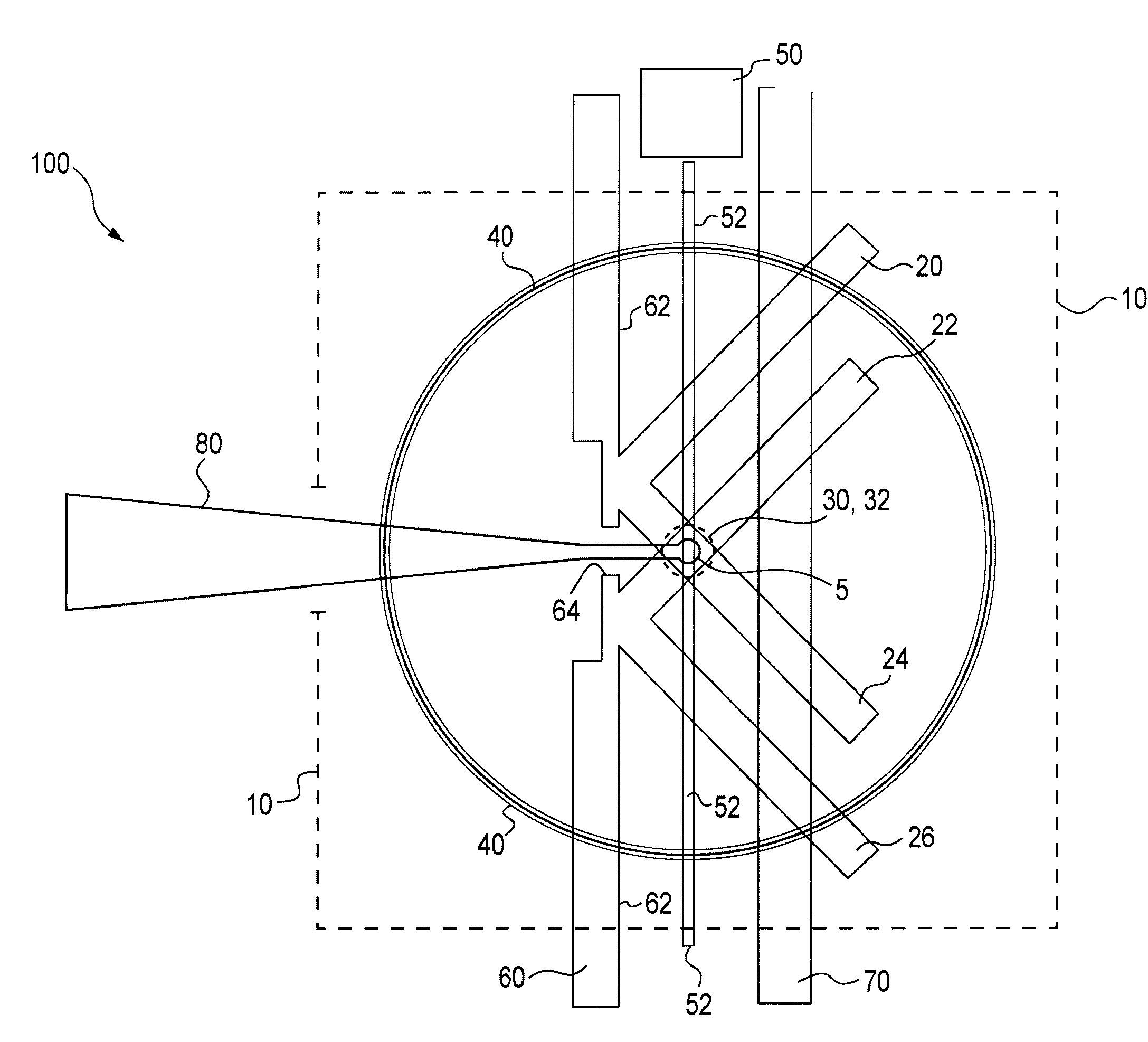
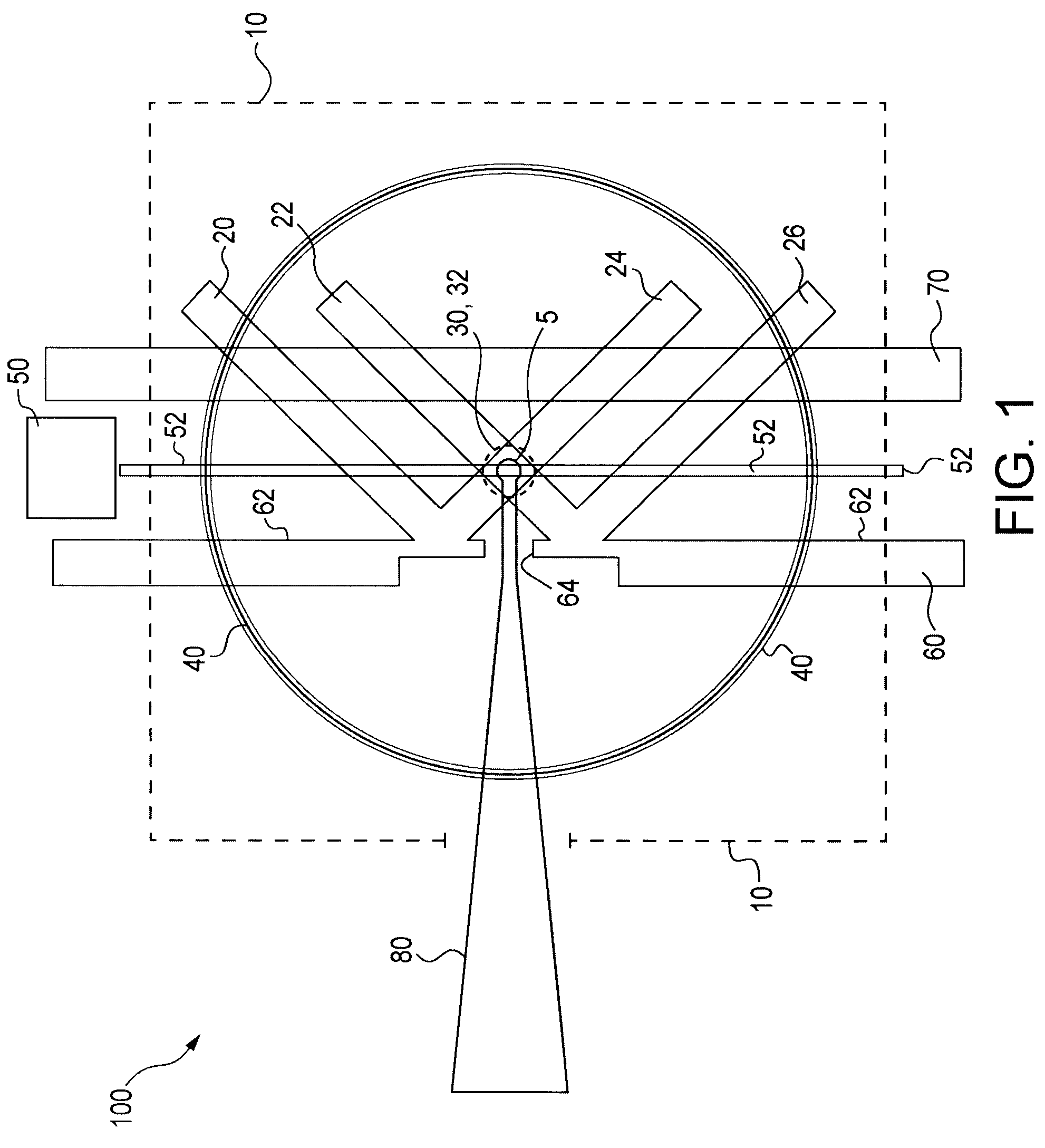
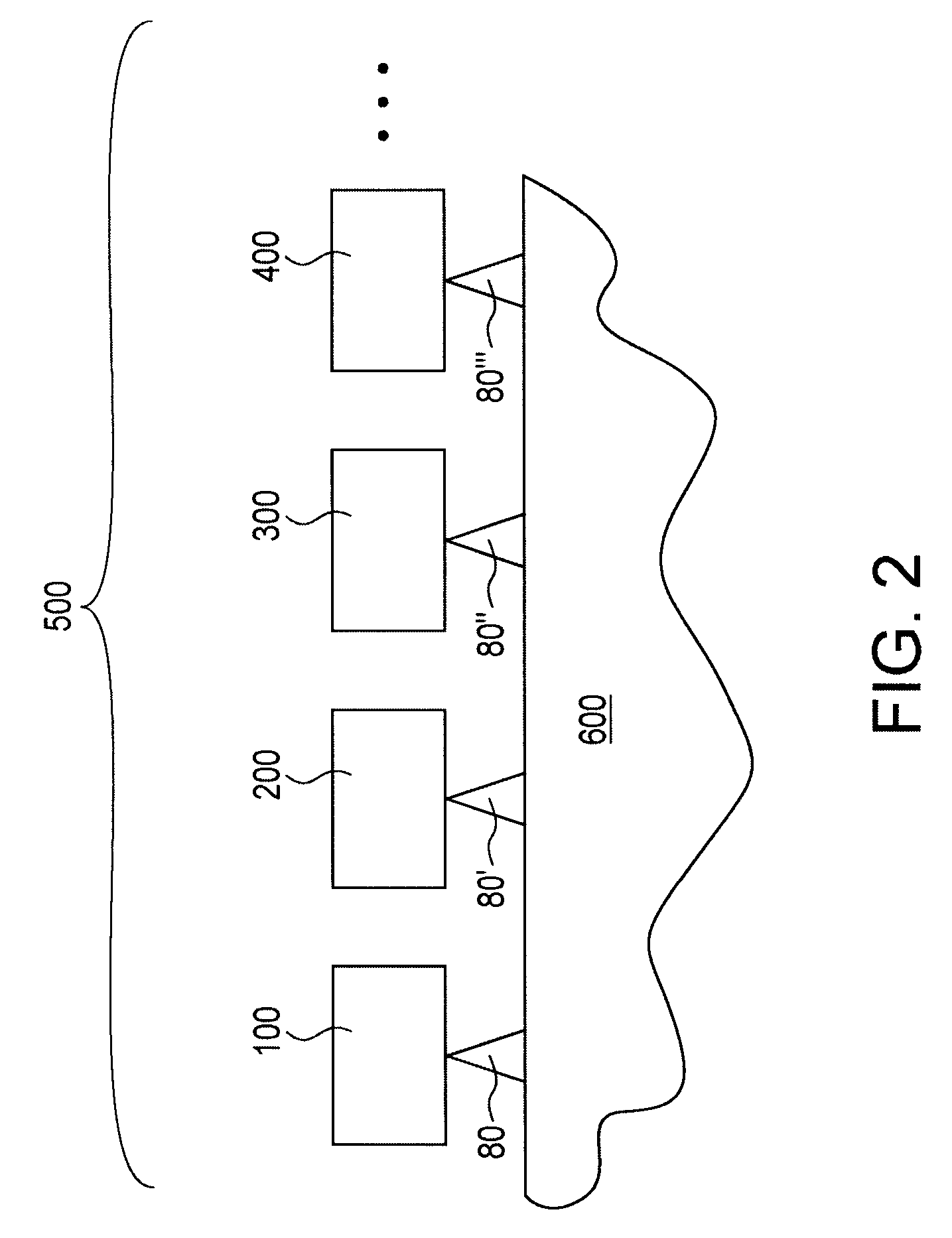
[0013]The present invention provides a new system and method for producing a focused ion beam. The present invention system comprises a magneto-optical trap (MOT), an ionizing laser, and an extraction element. In accordance with a preferred embodiment of the present invention, the magneto-optical trap produces a population or “cloud” of cold neutral atoms. The ionization laser converts the cold atoms into ions. And, the extraction element collects and transfers the ions from the magneto-optical trap in the form of an ion beam, for subsequent use. The present invention also provides an array or collection of multiple systems that preferably provide multiple ion beams in parallel. And, the present invention provides related methods of producing sources of ions or more particularly, ion beams.
[0014]In a preferred embodiment of the present invention, the magneto-optical trap generates a source of cold atoms that are photo-ionized by the laser to produce an ion cloud. Under appropriate c...
PUM
 Login to View More
 Abstract
Description
Claims
Application Information
 Login to View More