This helps you quickly interpret patents by identifying the three key elements:
Problems solved by technology
Method used
Benefits of technology
Problems solved by technology
Along with this, for example, when sitting down with a cell phone in a trouser pocket, etc., bending, twisting, or twisting stress (stress in the bending direction or twisting direction, etc.) is applied to the display, etc. Delamination of the touch panel or lens
Method used
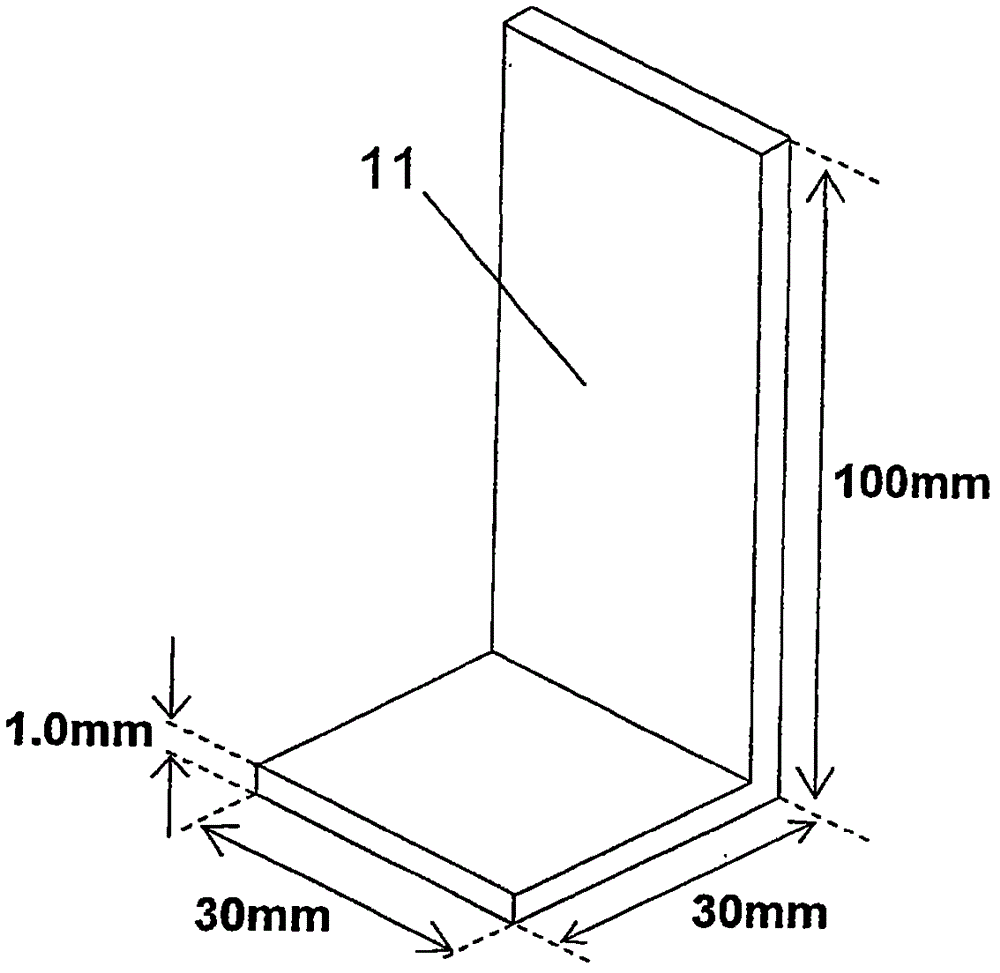
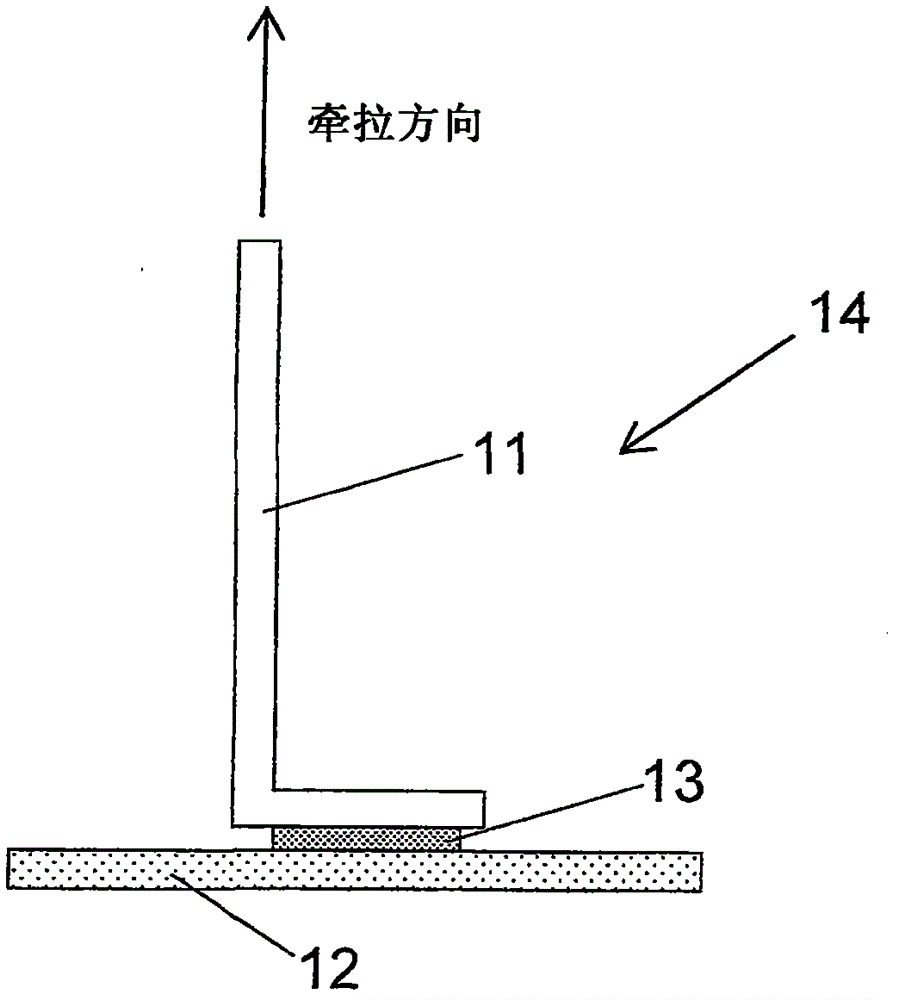
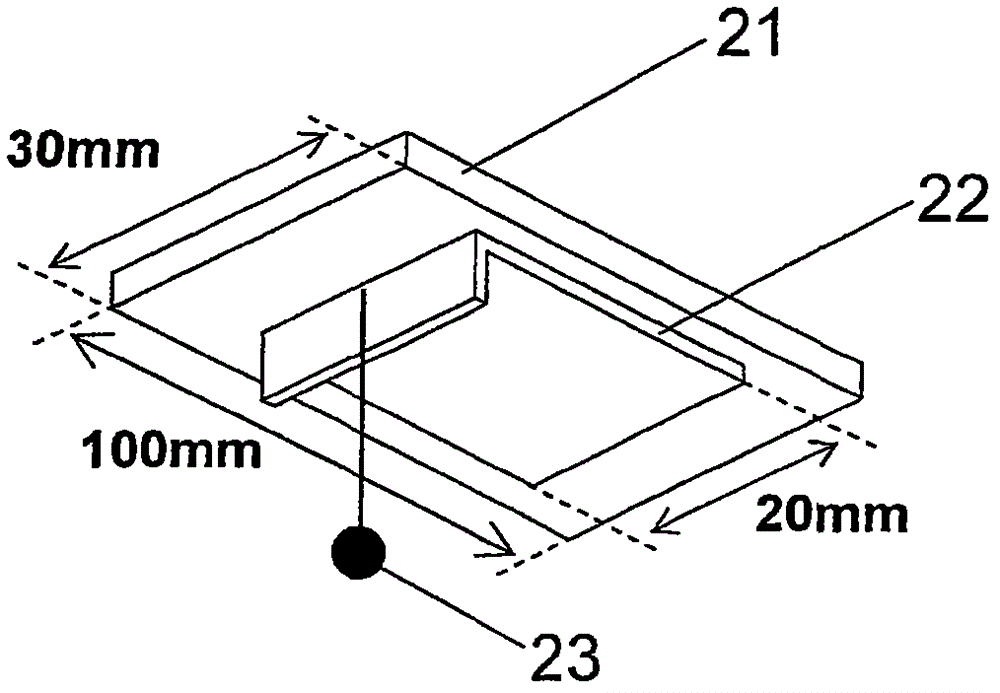
the structure of the environmentally friendly knitted fabric provided by the present invention; figure 2 Flow chart of the yarn wrapping machine for environmentally friendly knitted fabrics and storage devices; image 3 Is the parameter map of the yarn covering machine
View more
Image
Smart Image Click on the blue labels to locate them in the text.
Viewing Examples
Smart Image
Click on the blue label to locate the original text in one second.
Reading with bidirectional positioning of images and text.
Smart Image
Examples
Experimental program
Comparison scheme
Effect test
preparation example Construction
[0102] When preparing the above-mentioned acrylic polymer, a polymerization initiator such as a thermal polymerization initiator or a photopolymerization initiator (photoinitiator) can be used depending on the type of polymerization reaction. The polymerization initiators may be used alone or in combination of two or more.
[0103] As the photopolymerization initiator, there is no particular limitation, and for example, benzoin ether photopolymerization initiators, acetophenone photopolymerization initiators, α-keto alcohol photopolymerization initiators, aromatic sulfonyl chloride photopolymerization initiators, and aromatic sulfonyl chloride photopolymerization initiators can be used. Polymerization initiators, photoactive oxime photopolymerization initiators, benzoin photopolymerization initiators, benzil photopolymerization initiators, benzophenone photopolymerization initiators, ketal photopolymerization initiators, thiazolin photopolymerization initiators xanthone-based ...
Embodiment 1
[0133] In a mixture of 70 parts by weight of 2-ethylhexyl acrylate (2EHA), 26 parts by weight of N-vinyl-2-pyrrolidone (NVP) and 4 parts by weight of N-hydroxyethylacrylamide (HEAA), Cooperate with 0.05 parts by weight of the trade name "Irgacure 184" manufactured by Ciba Specialty Chemicals and 0.05 parts by weight of trade name "Irgacure 651" manufactured by Ciba Specialty Chemicals as a photopolymerization initiator, then irradiate ultraviolet rays until the viscosity (BH type viscometer, 5 No. rotor, 10 rpm, measurement temperature 30° C.) was about 20 Pa·s, thereby preparing a prepolymer composition in which the above-mentioned monomer components were partially polymerized.
[0134]0.05 parts by weight of an isocyanate-based crosslinking agent (manufactured by Nippon Polyurethane Industry Co., Ltd., trade name "Coronet L") was added to 100 parts by weight of the above-mentioned prepolymer composition to prepare an acrylic adhesive. Composition for layer formation.
[013...
Embodiment 2
[0139] As shown in Table 1, except that the addition amount of Coronet L and the thickness of the pressure-sensitive adhesive layer were changed, a prepolymer composition, a composition for forming an acrylic pressure-sensitive adhesive layer, and Double-sided adhesive sheet (double-sided adhesive sheet without substrate).
the structure of the environmentally friendly knitted fabric provided by the present invention; figure 2 Flow chart of the yarn wrapping machine for environmentally friendly knitted fabrics and storage devices; image 3 Is the parameter map of the yarn covering machine
Login to View More
PUM
Property
Measurement
Unit
tensile modulus
aaaaa
aaaaa
loss modulus
aaaaa
aaaaa
distance
aaaaa
aaaaa
Login to View More
Abstract
The present invention provides an optical-use pressure-sensitive adhesive sheet including a pressure-sensitive adhesive layer having, as measured through dynamic viscoelastometry, a storage elastic modulus at 80°C of at least 2.0 × 10 4 Pa and a loss elastic modulus at 80°C of at least 1.0 × 10 4 Pa, in which the pressure-sensitive adhesive sheet has a peel force, as measured in the L-shape peel test, of at least 0.16 MPa, and has a peel distance, as measured in the constant-load peel test (under a load of 100 gf for 3 hours), of at most 50 mm. Preferably the acrylic pressure-sensitive adhesive layer contains an acrylic polymer formed of one or more monomer ingredients including, as an indispensable monomer ingredient, an alkyl (meth)acrylate having a linear or branched alkyl group having from 1 to 14 carbon atoms and / or an alkoxyalkyl (meth)acrylate.
Description
technical field [0001] The present invention relates to an adhesive sheet used for bonding optical members. Background technique [0002] In recent years, display devices such as liquid crystal displays (LCDs) and input devices used in combination with the display devices, such as touch panels, have come to be widely used in various fields. In the manufacture of these display devices or input devices, transparent adhesive sheets are used for bonding optical members. For example, a transparent double-sided pressure-sensitive adhesive sheet is used for bonding a touch panel, a lens, or the like to a liquid crystal display device (liquid crystal display, etc.) (for example, refer to Patent Documents 1 to 3). [0003] In recent years, the above-mentioned display devices and input devices have also been widely used in small portable devices such as mobile phones and portable data terminals (PDAs). Along with this, for example, when sitting down with a cell phone in a trouser po...
Claims
the structure of the environmentally friendly knitted fabric provided by the present invention; figure 2 Flow chart of the yarn wrapping machine for environmentally friendly knitted fabrics and storage devices; image 3 Is the parameter map of the yarn covering machine
Login to View More
Application Information
Patent Timeline
Application Date:The date an application was filed.
Publication Date:The date a patent or application was officially published.
First Publication Date:The earliest publication date of a patent with the same application number.
Issue Date:Publication date of the patent grant document.
PCT Entry Date:The Entry date of PCT National Phase.
Estimated Expiry Date:The statutory expiry date of a patent right according to the Patent Law, and it is the longest term of protection that the patent right can achieve without the termination of the patent right due to other reasons(Term extension factor has been taken into account ).
Invalid Date:Actual expiry date is based on effective date or publication date of legal transaction data of invalid patent.



 Login to View More