
Glycine-doped MgB2 superconductor with high critical current density and preparation method thereof
A glycine and superconductor technology, applied in the field of superconductivity, can solve the problem of sacrificing the connectivity between grains
- Summary
- Abstract
- Description
- Claims
- Application Information
AI Technical Summary
Problems solved by technology
Method used
Image

Examples
example 1
[0018] Weigh Mg powder and B powder according to the atomic ratio of 1:2, then add glycine with a mass fraction of 2%, and grind it in an agate mortar for 30 minutes to make it fully mixed to obtain MgB 2 +2wt% Gly mixed powder. Press the mixed powder into a cylindrical sheet under a pressure of 2MPa, and then put it into a high-temperature differential scanning calorimeter or a tube sintering furnace for sintering; continuously heat at a heating rate of 5°C / min to 750°C for sintering and keep it warm 0.5 hours, and then lowered to room temperature at a cooling rate of 30°C / min.
example 2
[0020] Weigh Mg powder and B powder according to the atomic ratio of 1:2, then add glycine with a mass fraction of 5%, and grind it in an agate mortar for 30 minutes to make it fully mixed to obtain MgB 2 +5wt% Gly mixed powder. Press the mixed powder into a cylindrical sheet under a pressure of 5 MPa, and then put it into a high-temperature differential scanning calorimeter or a tube sintering furnace for sintering; continuously heat at a heating rate of 10°C / min to 800°C for sintering and keep it warm 0.8 hours, and then cooled down to room temperature at a cooling rate of 35°C / min.
example 3
[0022] Weigh Mg powder and B powder according to the atomic ratio of 1:2, then add glycine with a mass fraction of 8%, and grind it in an agate mortar for 30 minutes to make it fully mixed to obtain MgB 2 +8wt% Gly mixed powder. Press the mixed powder into a cylindrical sheet under a pressure of 10MPa, and then put it into a high-temperature differential scanning calorimeter or a tube sintering furnace for sintering; continuously heat at a heating rate of 20°C / min to 800°C for sintering and keep it warm 1 hour, and then cooled down to room temperature at a cooling rate of 40°C / min.
[0023] The effect description is as follows:
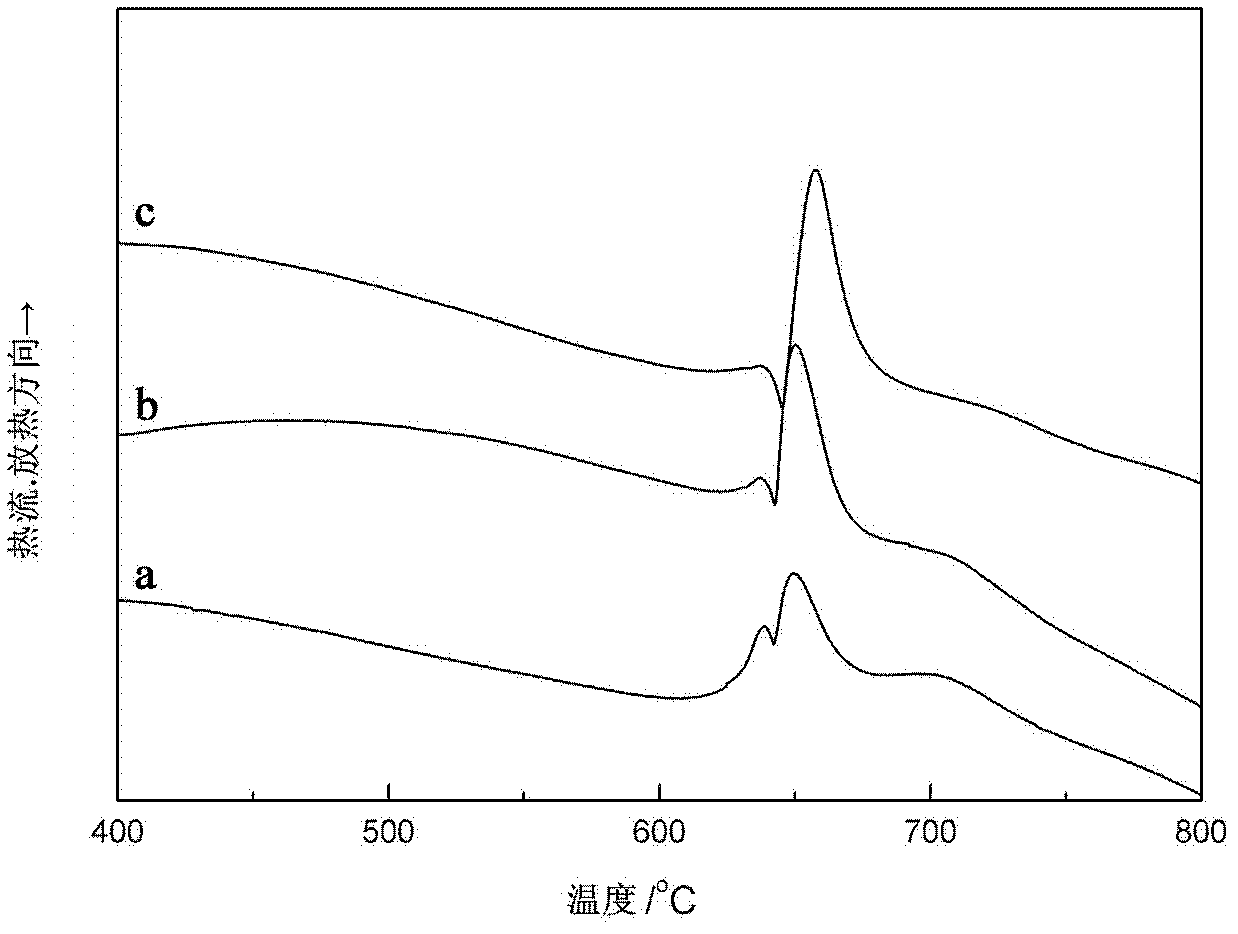
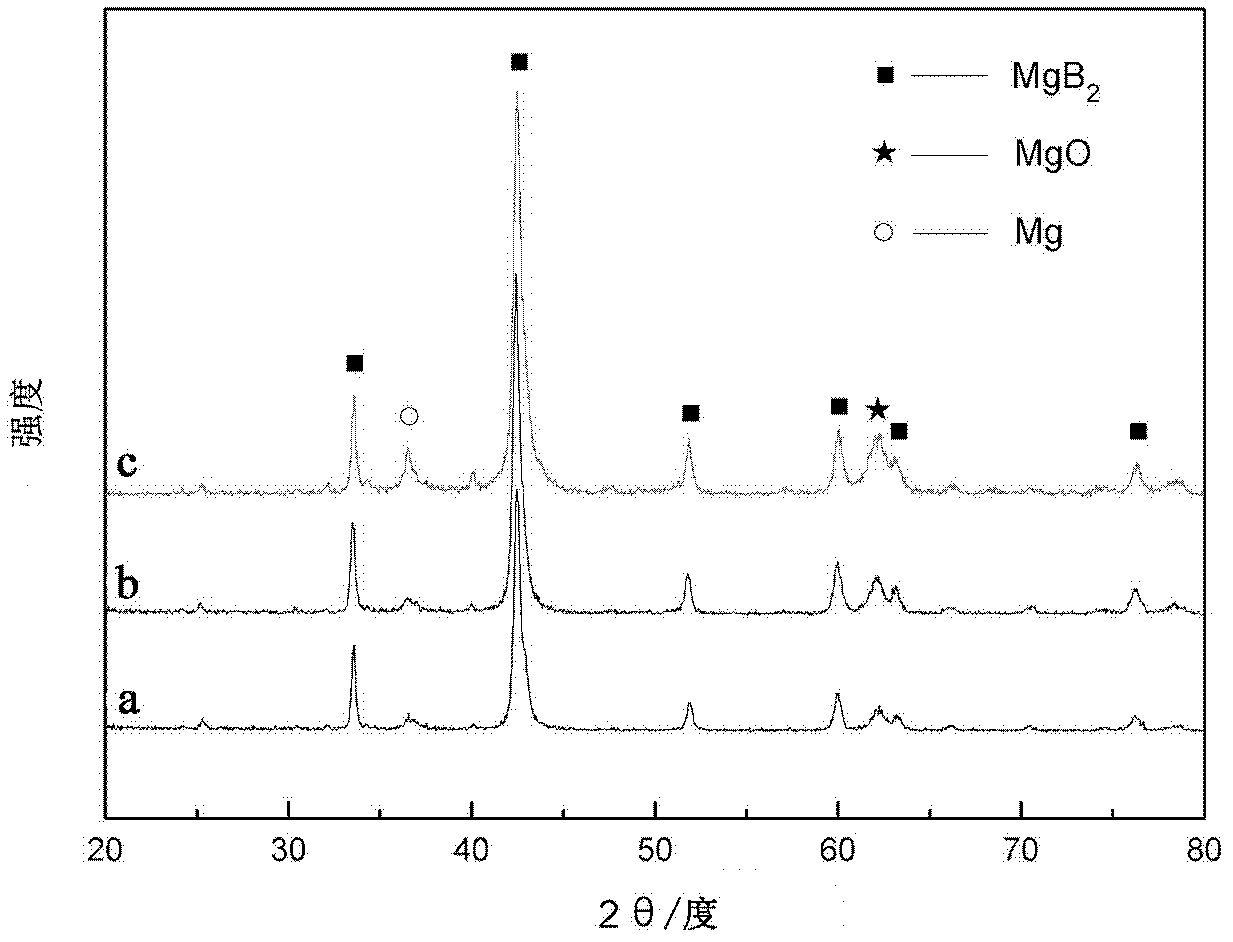
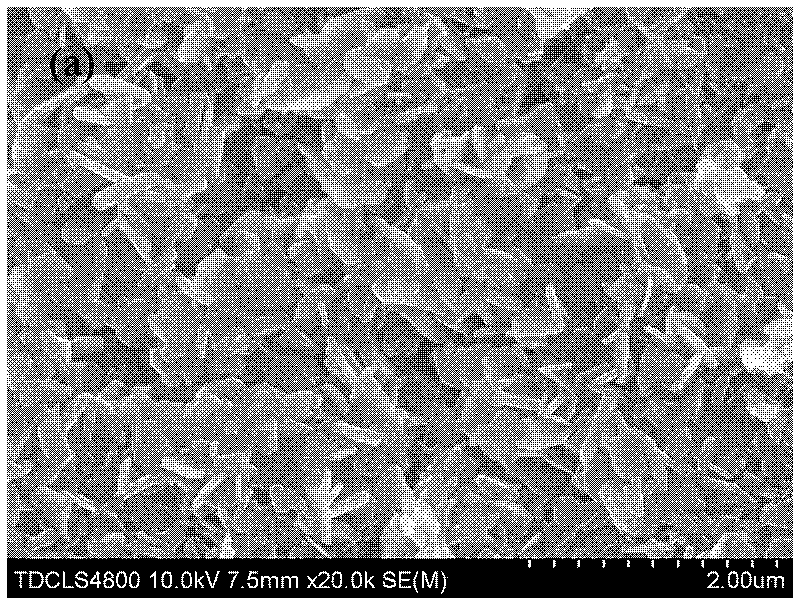
[0024] Weigh the Mg powder and B powder according to the atomic ratio of 1:2, then dope the glycine particles with a mass fraction of 2-8%, and grind them in an agate mortar for 30 minutes to make them fully mixed to obtain MgB 2 +(2~8)% Gly mixed powder. Press the mixed powder into a cylindrical sheet under a pressure of 2-10MPa, and then put it i...
PUM
 Login to View More
 Abstract
Description
Claims
Application Information
 Login to View More