
Magnetic biological material capable of adsorbing uranium (VI) in aqueous solution and preparation method of magnetic biological material
A technology of biomaterials and aqueous solutions, applied in the field of environmental biotechnology applications
- Summary
- Abstract
- Description
- Claims
- Application Information
AI Technical Summary
Problems solved by technology
Method used
Image

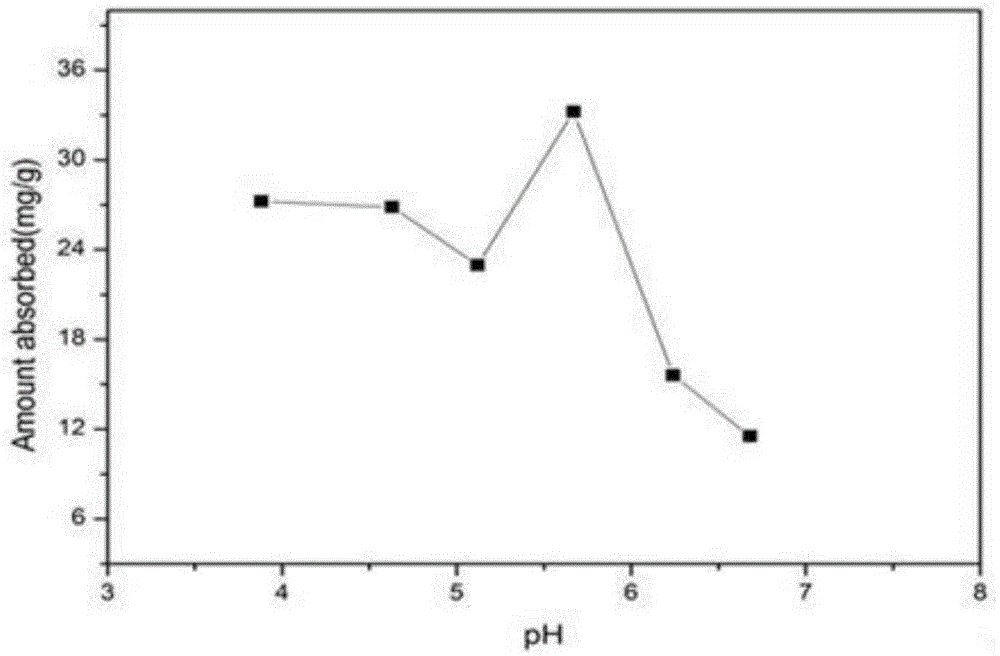
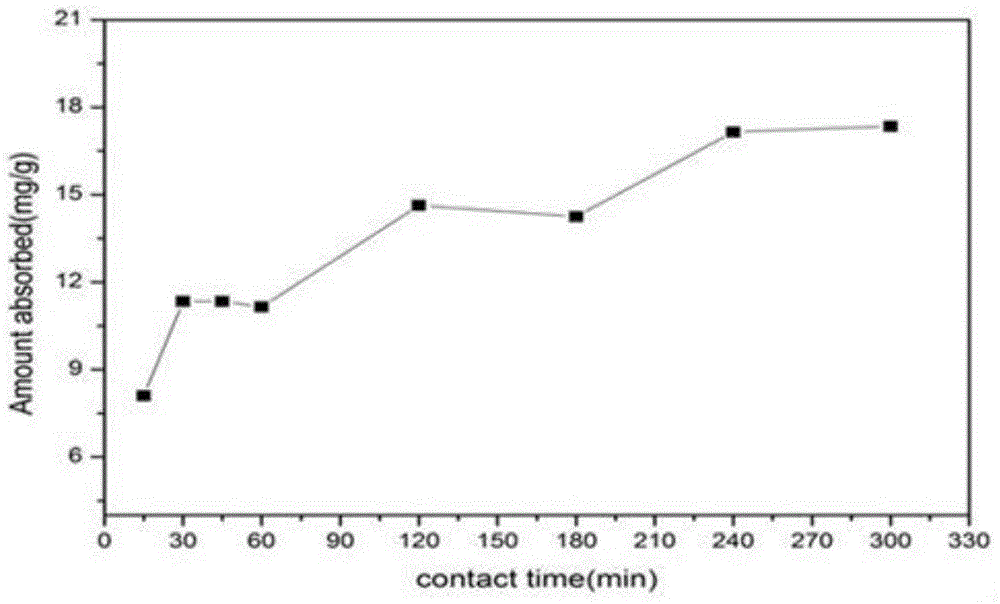
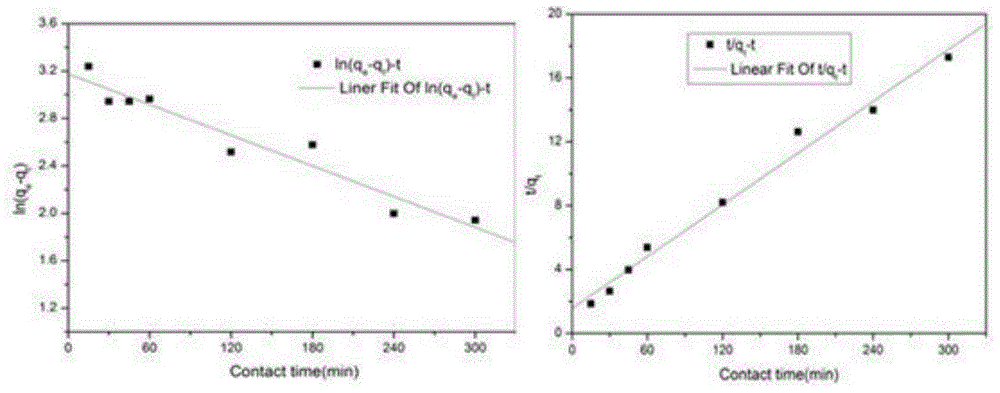
Examples
Embodiment Construction
[0039] 1. Preparation of ferrofluid
[0040] Weigh FeCl 3 19.4652g (0.12mol), FeSO 4 20.016g (0.072mol) of 7H2O, mixed with 200ml of distilled aqueous solution, N 2 Under protection (first pass into N 2 , in the form of air bubbles) heated to 85°C-90°C, stirred at high speed, added dropwise excess ammonia water, aged for 30min, and cooled. Separation by magnetic precipitation, fully washing with deionized water, suction filtration, washing with ethanol (drying quickly), and vacuum freeze-drying.
[0041] 2. Preparation of magnetic biomaterials
[0042] Dissolve 0.1g of freeze-dried recombinant Saccharomyces cerevisiae cells and 0.01g of dried ferrofluid in 10ml of distilled water, briefly ultrasonically disperse and mix well, then mix with 40ml of 1% sodium alginate, mix well, and spray The magnetic microspheres were prepared by immobilizing in 5% calcium chloride solution for 30 minutes.
[0043] The magnetic microspheres are collected by a magnet, washed 2 to 3 times wit...
PUM
 Login to View More
 Abstract
Description
Claims
Application Information
 Login to View More