
A kind of uv adhesive for 3d printing casting molding and its application
A 3D printing and molding technology, applied in the direction of adhesives, non-polymer adhesive additives, non-polymer organic compound adhesives, etc., can solve the problems of time-consuming, complicated process, labor-intensive, etc., to save manpower, The effect of reducing environmental pollution
Patent Information
- Authority / Receiving Office
- CN · China
- Patent Type
- Patents(China)
- Current Assignee / Owner
- Publication Date
- 2018-01-26
Smart Images
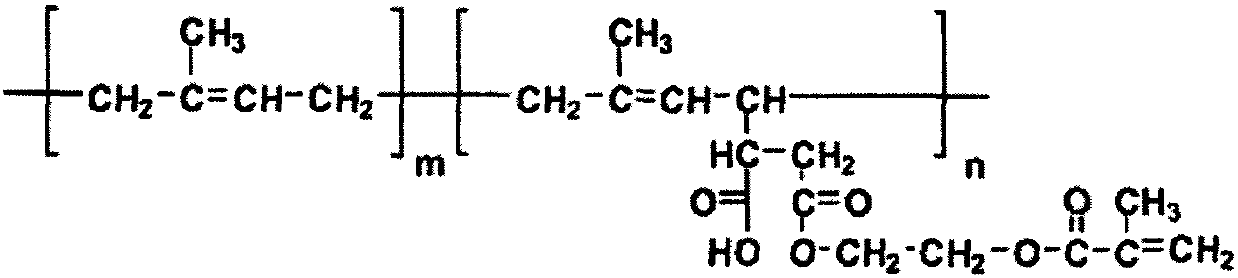
Figure 1 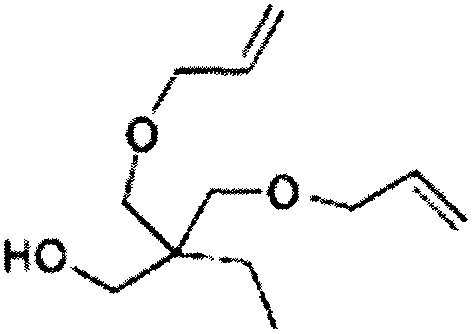
Figure 2 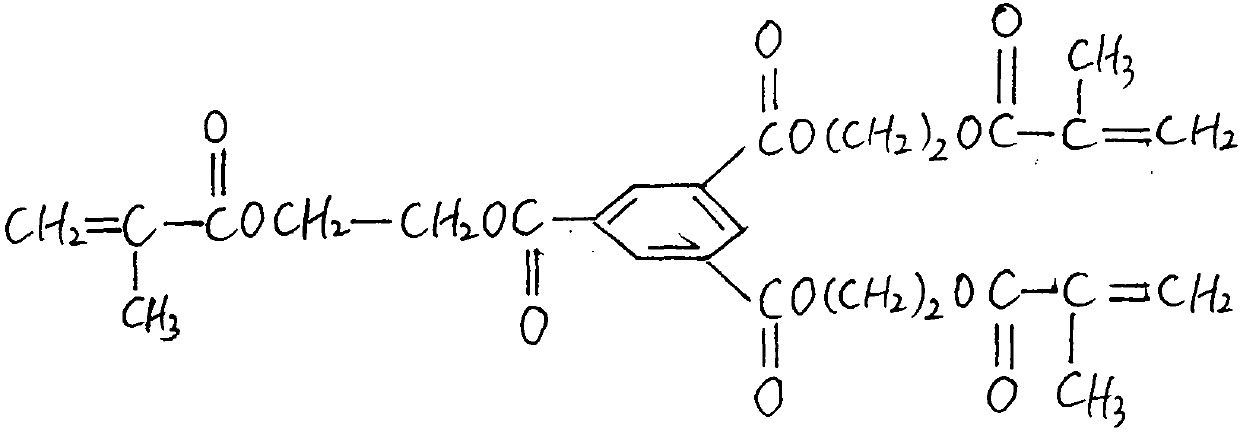
Figure 3
Abstract
Description
technical field
[0001] The invention relates to the field of light-curing 3D printing, in particular to a UV adhesive used for 3D printing casting moulding and its application in jewelry and dental casting moulds. Background technique
[0002] At present, the lost wax casting process is usually used for jewelry and teeth casting molds, which is complicated, time-consuming and labor-intensive; processing procedure.
[0003] The technological process of the adhesive used for jewelry and dental molds is: drawing-3D printing-tree planting-lost wax casting-post-treatment process, which can save a lot of manpower and equipment costs, and the vaporization products of the adhesive are carbon dioxide, water, It is non-toxic to human body and non-polluting to the environment, and the precision and smoothness of the formed cavity are better than those of the traditional lost wax process.
[0004] It can be seen that the use of this adhesive for jewelry and tooth casting has the effec...
Examples
Embodiment 1
[0021] The UV adhesive used for 3D printing in this embodiment is a 100% solid-containing viscous liquid, and the adhesive contains at least the following substances by weight: Polyolefin UV oligomer: 25-80%, polyol acrylate Monomer: 10-50%, initiator: (184, 369) 1-10%, oxygen inhibitor (allyloxymethacrylate) 1-15%. The polymerized product of the polyolefin UV oligomer in this adhesive has excellent toughness and structural strength. In addition, initiators (184, 369) are specially added to this adhesive. This compound initiator can make the adhesive rapidly and accurately solidify on the 3D printing projection, and obtain the same model as the design drawing. In this embodiment, the molecular weight of the above-mentioned polyolefin UV oligomer is preferably controlled as: 15000-17000
[0022] Experiments have proved that when the molecular weight of polyolefin UV oligomer is in the above range, the structural strength and toughness can reach a perfect balance. Analysis of ...
Embodiment 2
[0024] The difference between the adhesive of this embodiment and the embodiment 1 is that the adhesive further includes: a polyol acrylate monomer, the weight proportion of which is 10-50%. The polyol structural monomer has low temperature vaporization, and the addition of this component makes the cured product of the adhesive easier to lose wax casting.
Embodiment 3
[0026] The difference between the adhesive of the present embodiment and the embodiment 2 is that the adhesive also includes: an oxygen inhibitor (allyloxymethacrylate), the weight ratio of which is 1-15%. Oxygen barrier prevents the adhesive from cross-linking in an oxygenated environment. The addition of this component enables the adhesive to be printed with intermittent light 3D printers using mercury lamps and 405nm LED lamps as light sources, and can also meet continuous ultraviolet light irradiation. 3D printing mode.
[0027] The specific weight ratio of the adhesive of this embodiment is shown in the following table:
[0028] recipe
Weight ratio
Polyolefin UV oligomer
25~80%
10~50%
UV photoinitiators (184, 369)
1~10%
Oxygen inhibitor (allyloxymethacrylate)
1~15%
[0029] In conclusion, using the adhesives of the above embodiments, it is possible to perform intermittent 3D printing wit...