
Fluorescence diagnostic reagent for gastric cancer
A diagnostic reagent and fluorescence technology, applied in biological testing, material inspection products, etc., can solve problems such as missed opportunities for early detection of gastric cancer, damage, etc., to achieve the effect of improving the speed of diagnosis, simplifying the diagnosis procedure, and reducing pain.
- Summary
- Abstract
- Description
- Claims
- Application Information
AI Technical Summary
Problems solved by technology
Method used
Image

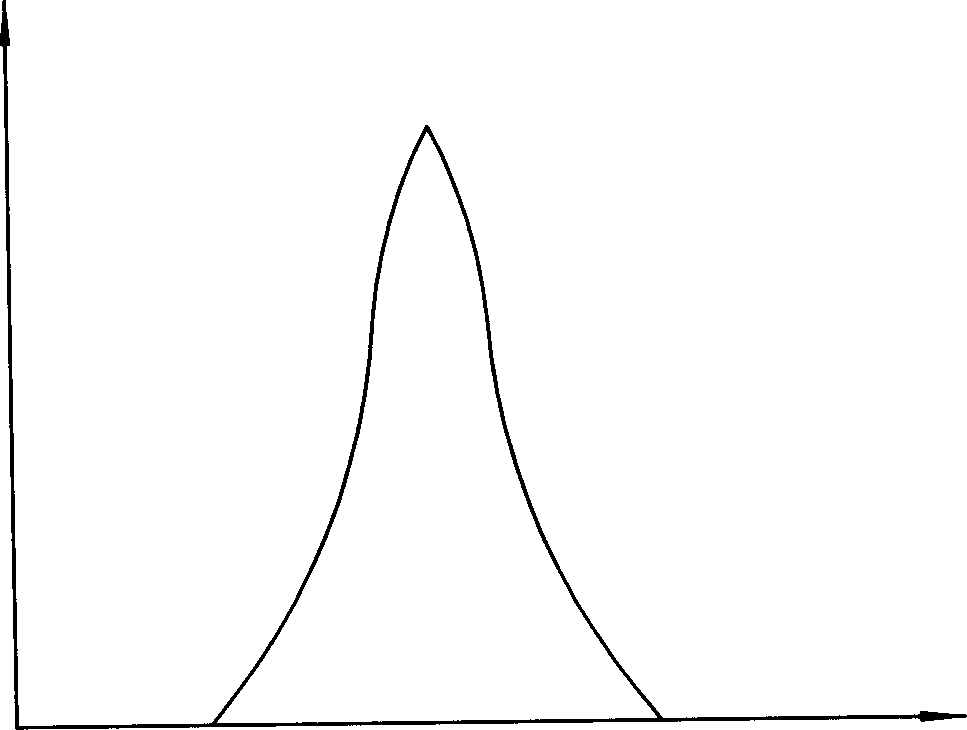
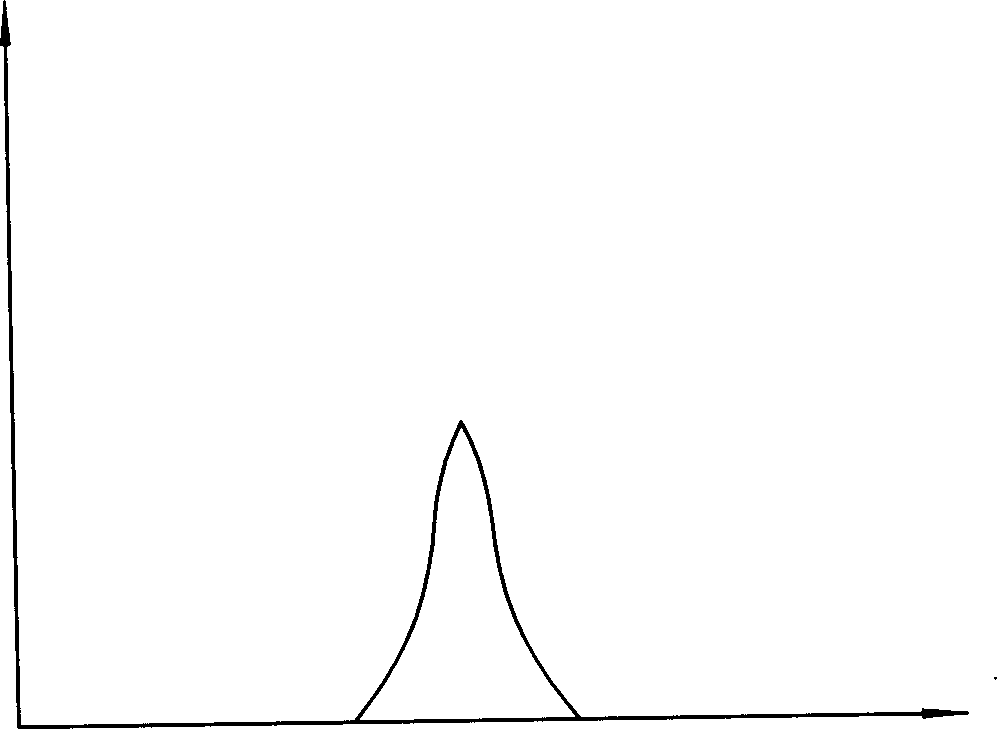
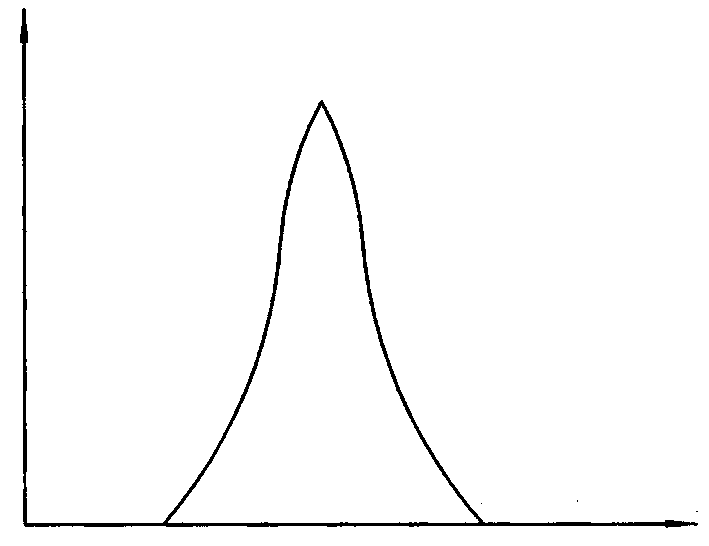
Examples
Embodiment 1
[0016] Embodiment one: the phosphoric acid of 0.1 gram, the disodium hydrogen phosphate of 19 grams, the boric acid of 1 gram, sodium tetraborate of 2 grams, 0.3 gram of tartaric acid, 0.1 gram of fluorescamine, 0.05 gram of anilinonaphthalene sulfonate, dipotassium amine Mix 0.01 g of naphthalenesulfonyl chloride and 0.2 g of sodium fluorescein.
Embodiment 2
[0017] Embodiment two: 1 gram of phosphoric acid, 0.1 gram of disodium hydrogen phosphate, 4 grams of boric acid, 30 grams of sodium tetraborate, 2.5 gram of tartaric acid, 0.5 gram of fluorescamine, 0.1 gram of anilinonaphthalene sulfonate, 0.3 gram of di Mix potassium aminonaphthalenesulfonyl chloride and 0.8 g sodium fluorescein.
Embodiment 3
[0018] Embodiment three: 5 grams of phosphoric acid, 10 grams of disodium hydrogen phosphate, 2 grams of boric acid, 10 grams of sodium tetraborate, 1 gram of tartaric acid, 0.3 gram of fluorescamine, 0.08 gram of anilinonaphthalene sulfonate, 0.2 gram of di Mix potassium aminonaphthalenesulfonyl chloride and 0.5 g sodium fluorescein.
PUM
 Login to View More
 Abstract
Description
Claims
Application Information
 Login to View More