

Systems and methods of windowing time series data for pattern detection
a time series data and pattern detection technology, applied in the field of system and method of windowing time series data for pattern detection, can solve the problems of computationally expensive to develop a model from the initial data, and the difficulty of parsing such a large dataset in such a way
- Summary
- Abstract
- Description
- Claims
- Application Information
AI Technical Summary
Benefits of technology
Problems solved by technology
Method used
Image

Examples
Embodiment Construction
[0023]In the following description, for purposes of explanation and non-limitation, specific details are set forth, such as particular nodes, functional entities, techniques, protocols, etc. in order to provide an understanding of the described technology. It will be apparent to one skilled in the art that other embodiments may be practiced apart from the specific details described below. In other instances, detailed descriptions of well-known methods, devices, techniques, etc. are omitted so as not to obscure the description with unnecessary detail.
[0024]Sections are used in this Detailed Description solely in order to orient the reader as to the general subject matter of each section; as will be seen below, the description of many features spans multiple sections, and headings should not be read as affecting the meaning of the description included in any section.
Overview
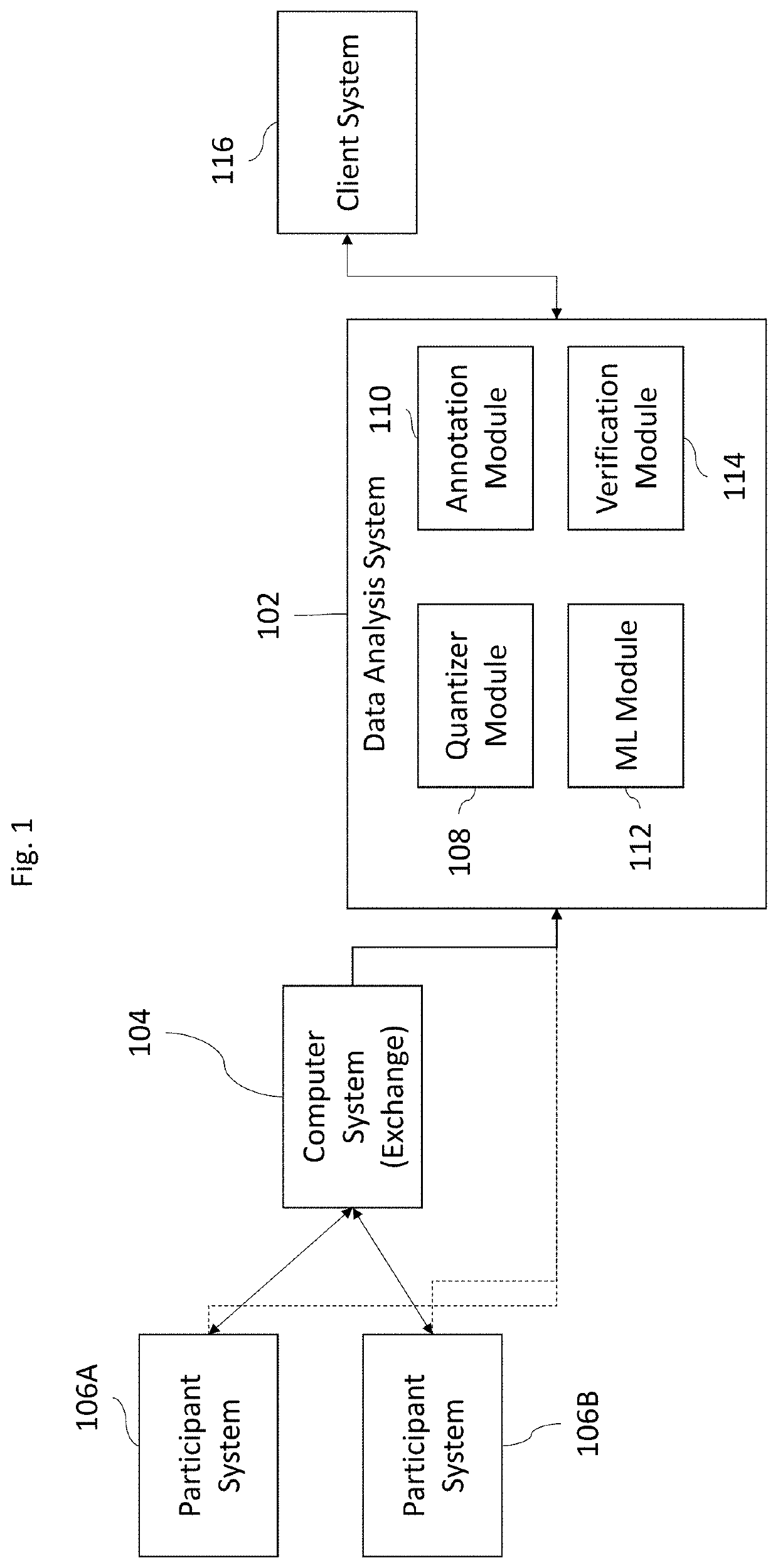
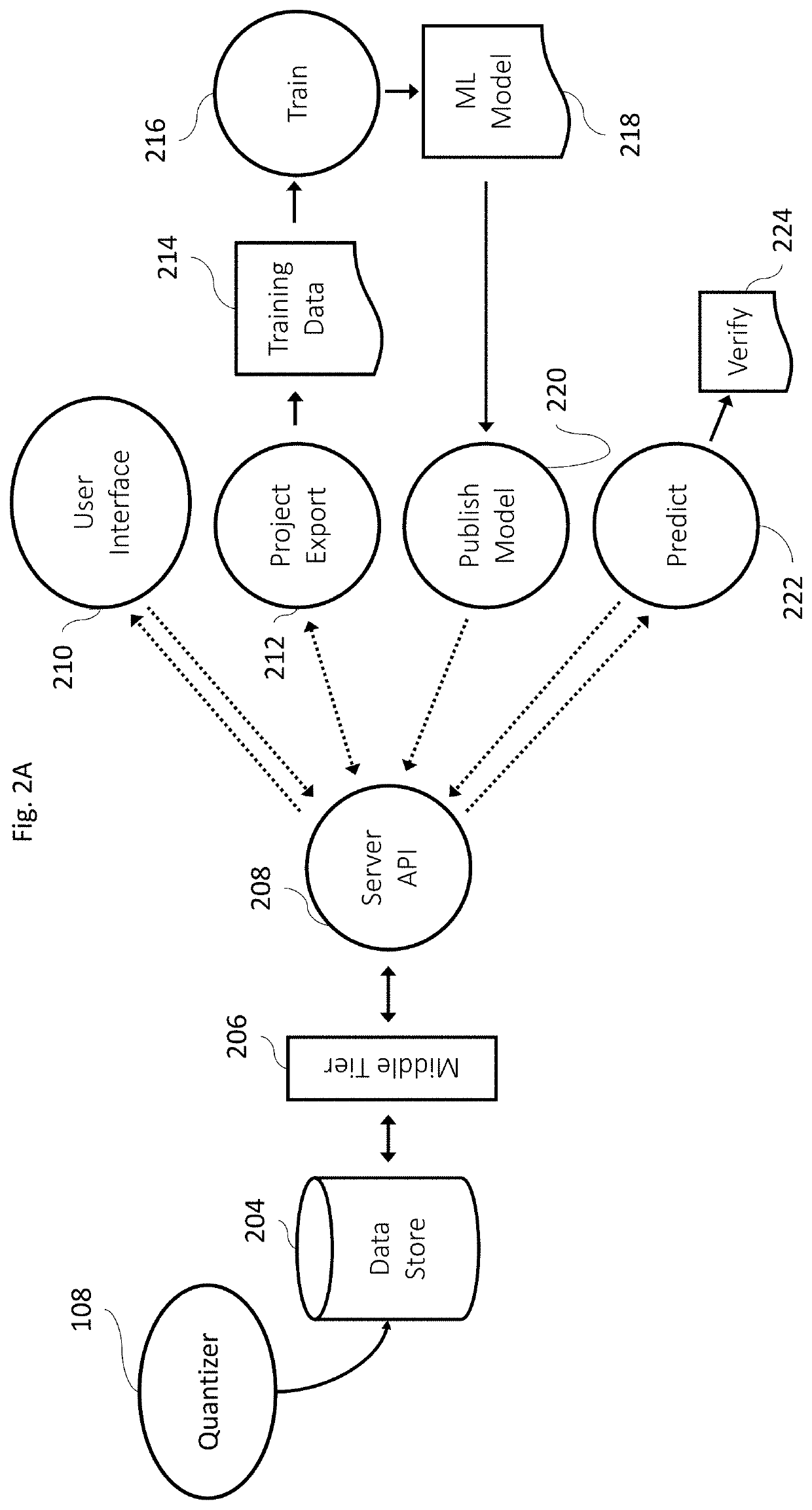
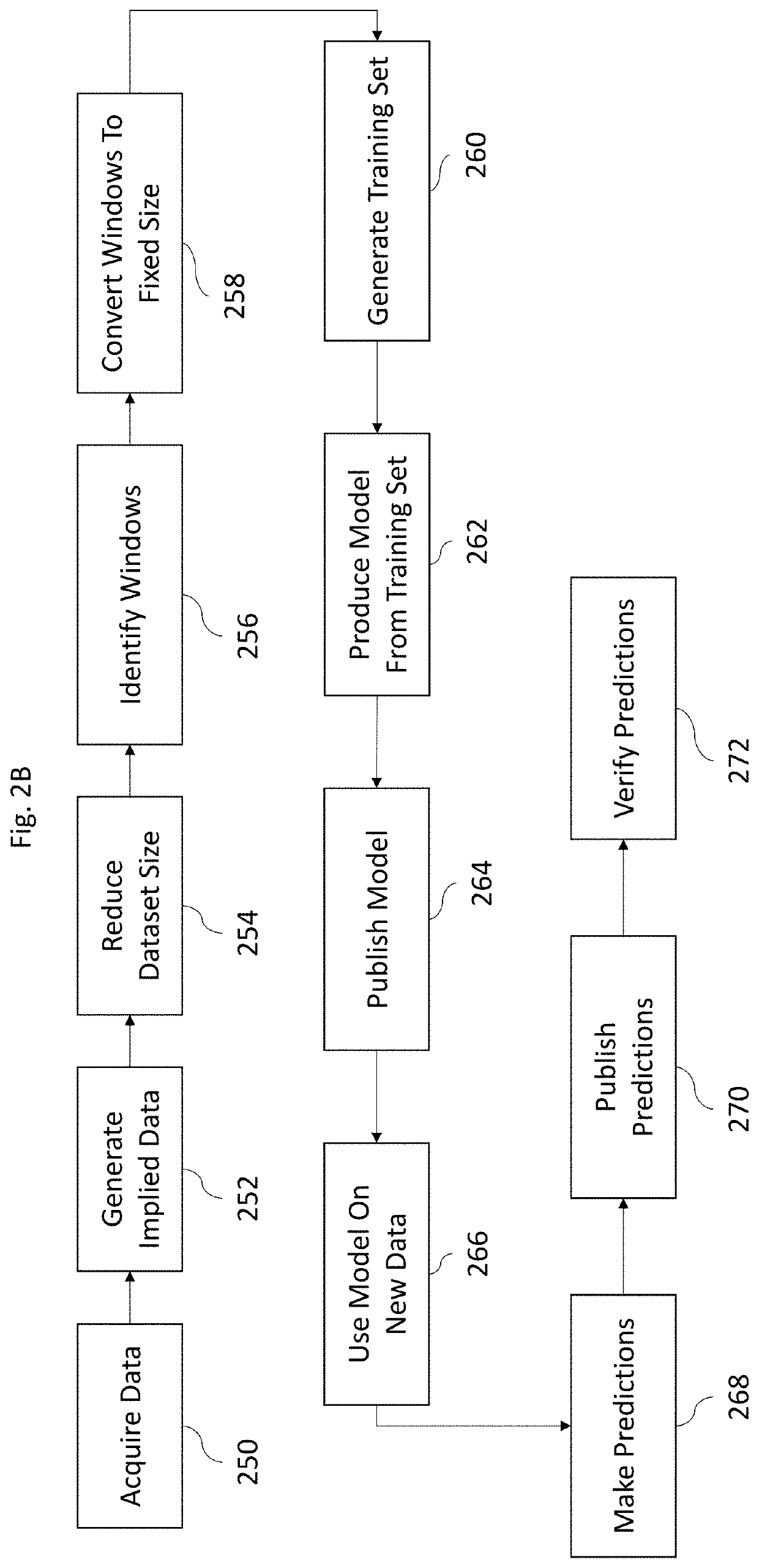
[0025]In certain examples, a data analysis system is provided that is configured to receive a dataset of time se...
PUM
 Login to View More
 Abstract
Description
Claims
Application Information
 Login to View More