
Andrias davidianus cathelicidin-ME2, and coded sequence and purpose thereof
A technology of antimicrobial peptides and giant salamanders, applied in the field of genetic engineering, can solve the problems of high cost of antimicrobial peptides, complex methods of antimicrobial peptides, and low yield, and achieve the effect of inhibiting bacterial growth
Patent Information
- Authority / Receiving Office
- CN · China
- Current Assignee / Owner
- Publication Date
- 2018-02-06
- Estimated Expiration
- Not applicable · inactive patent
Smart Images
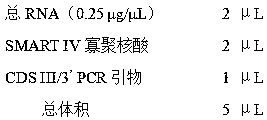
Figure 1 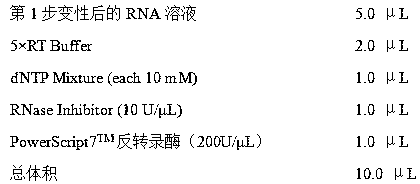
Figure 2 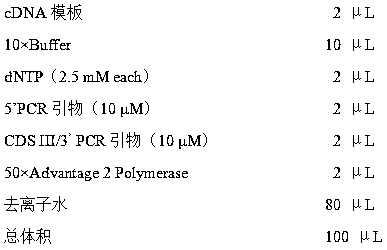
Figure 3
Abstract
Description
technical field
[0001] The invention belongs to the technical field of genetic engineering, and in particular relates to a Chinese giant salamander Cathelicidin-ME2 antibacterial peptide, a gene sequence encoding the antibacterial peptide and an application of the antibacterial peptide. Background technique
[0002] Due to the indiscriminate use and abuse of antibiotics, many bacteria have produced drug-resistant strains, and the development of new antibiotics is not fast enough, so the contradiction between the development of new antibiotics and the demand for antibacterial is becoming increasingly prominent. In addition, the problem of antibiotic residues in animal products has attracted more and more attention, which directly endangers human health. The unique antibacterial mechanism of antimicrobial peptides provides the possibility to solve this problem, so it is very promising to be developed into a new class of highly effective antibacterial drugs.
[0003] Antimicro...
Examples
Embodiment 1
[0040] Example 1: Acquisition of Chinese giant salamander Cathelicidin-ME2 antimicrobial peptide cDNA
[0041] The inventors used TaKaRa Smart TM The cDNA library construction kit was used to construct the cDNA library of the Chinese giant salamander skin tissue. The clones were randomly picked and sequenced, and the measured sequence was compared with the sequence in the NCBI gene bank (GenBank) by BLAST to obtain the Cathelicidin-ME2 antibacterial peptide. cDNA.
[0042] 1. Extraction of Total RNA from Mucosa Epithelial Tissue of Chinese Giant Salamander
[0043] The Chinese giant salamander mucosal epithelial tissue was taken into cryopreservation tubes, and then the Chinese giant salamander was released. The cryopreservation tubes were placed in liquid nitrogen and transported back to the laboratory, and stored in a liquid nitrogen tank for later use.
[0044] Take 0.1 g of mucosal epithelial tissue and grind it into powder at low temperature with liquid nitrogen. Add ...
Embodiment 2
[0083] Example 2: Recombinant expression of Chinese giant salamander Cathelicidin antimicrobial peptide in Bacillus subtilis
[0084] 1. According to the sequence of SQ ID NO: 2, the primers are calculated as follows:
[0085] P1: 5'-GCAATGACAGCCGTGGGTACA-3';
[0086] P2: 5'-GC AAGCTT AGGGCGAACTCCATCTTGGT - 3' (Introduction of Hind III restriction site).
[0087] Use the pET30a-cathAM plasmid as a template to amplify the Cathelicidin-ME2 gene, and the PCR system is as follows:
[0088]
[0089] Reaction program: pre-denaturation at 94°C for 3 min; denaturation at 94°C for 30 s, annealing at 57°C for 30 s, extension at 72°C for 1 min, 35 cycles; extension at 72°C for 10 min. PCR products were detected by 1% agarose gel electrophoresis.
[0090] 2. Using the genomic DNA of Bacillus subtilis as a template, primers were set according to the sequence known in Genbank to amplify P 43 Promoter sequence, EcoRI restriction site was introduced into primer P3, and the designed ...
Embodiment 3
[0128] Example 3: Separation and purification of recombinant Chinese giant salamander Cathelicidin-ME2 antimicrobial peptide
[0129] The resulting fermentation supernatant containing the recombinant Chinese giant salamander Cathelicidin-ME2 antimicrobial peptide was replaced with an equilibration buffer (25mM PBS, pH 6.0) through a Sephadex G-25 column, and then applied to a CM sepharose FF cation exchange column. Collect the flow-through peak and wash the column with the aforementioned equilibration buffer until the plateau. Then, use a mixture of solution A (25 mM PBS, pH 8.0) and solution B (25 mM PBS containing 1 M NaCl, pH 8.0) for linear gradient elution, collect each elution peak, and use Tricine / Tris SDS- PAGE electrophoresis (silver staining) analysis (the optimized elution scheme is eluted with 100, 200, 500 mM NaCl in PBS solution). The target peptide was eluted in 25 mM PBS containing 200 mM NaCl, pH 8.0. Finally, the recombinant Chinese giant salamander Catheli...