
Three-dimensional spherical α-helical cationic polypeptide with high-efficiency gene delivery ability, its preparation method and application
A technology of gene delivery and cationic polymerization, which can be used in gene therapy, genetic non-effective components, and non-effective components of polymer compounds. , the effect of efficient gene transfection efficiency
Patent Information
- Authority / Receiving Office
- CN · China
- Patent Type
- Patents(China)
- Current Assignee / Owner
- Publication Date
- 2021-09-28
Smart Images
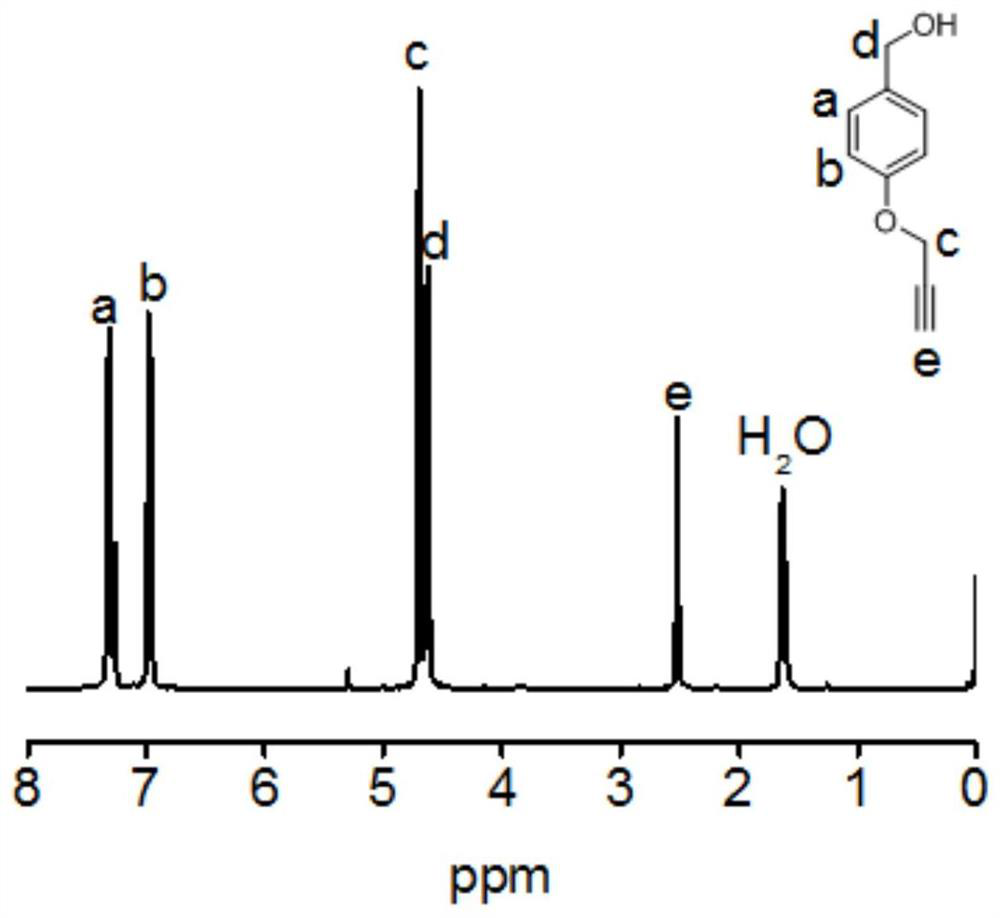
Figure 1 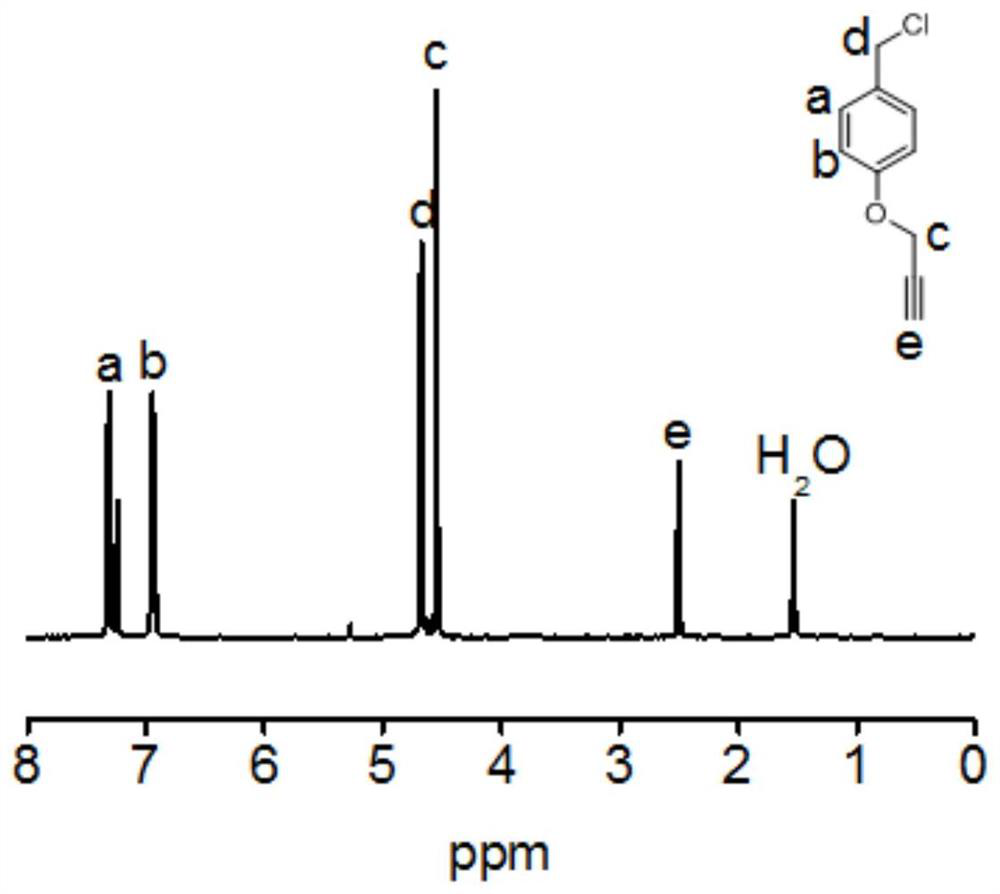
Figure 2 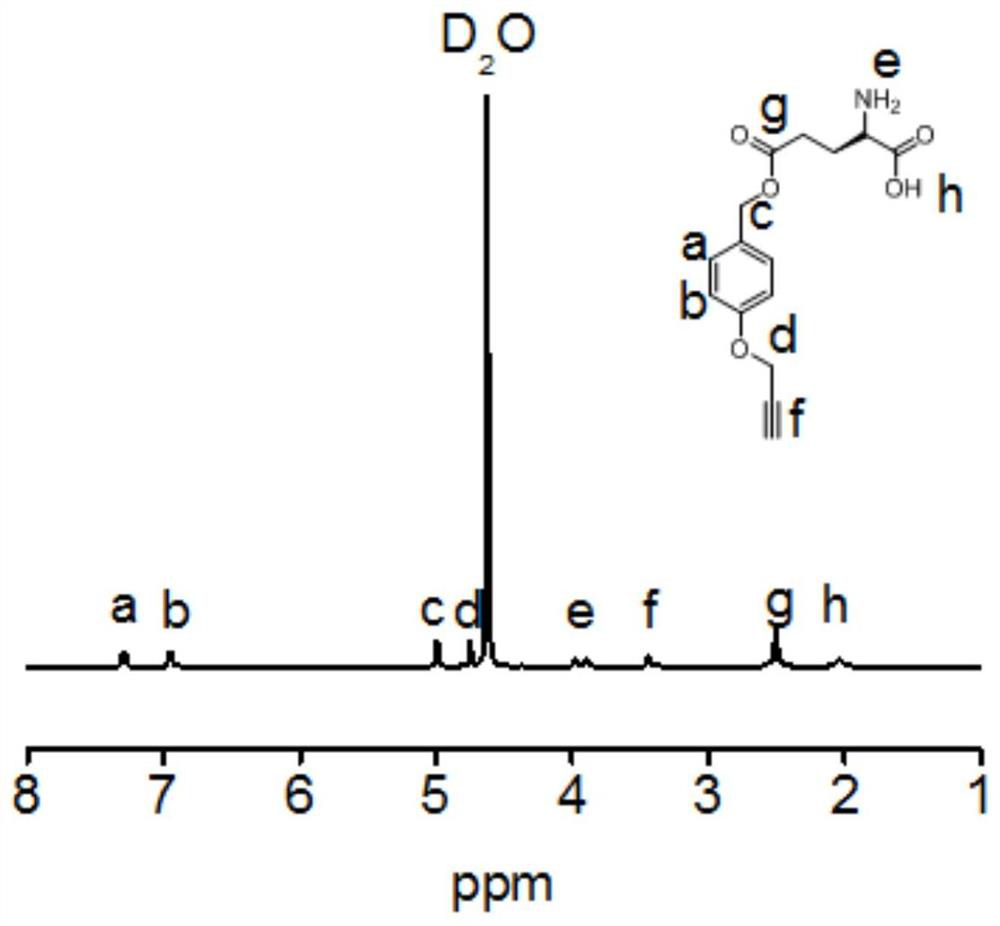
Figure 3
Abstract
Description
technical field
[0001] The invention relates to the field of gene loading and delivery, in particular to a three-dimensional spherical α-helical cationic polypeptide with high-efficiency gene delivery capability and its preparation method and application, which can be applied to combined photothermal-gene therapy of breast cancer. Background technique
[0002] Gene delivery vectors are necessary media for loading nucleic acid molecules, introducing them into target cells and successfully expressing them. They are mainly divided into two types: viral vectors and non-viral vectors. Viral vectors have been widely used due to the advantages of high transduction efficiency and expression efficiency, but their own antigenicity, potential tumorigenic risk and insufficient gene loading have seriously restricted their development. Based on this, non-viral vectors have gradually gained attention. Commonly used non-viral vectors include liposomes, nanoparticles, cationic polymers, and...
Examples
Embodiment 1
[0096] Dissolve L-glutamic acid in water (375 mL) and heat to 70 °C with stirring, then add aqueous solution (375 mL) of hydrated copper acetate (18.6 g, 103 mmol) to L-glutamic acid in solution. After that, the stirring was stopped, and after standing at room temperature for 48 h, the precipitate was stirred and washed with water, ethanol, and petroleum ether for 24 h, and the blue solid was obtained by suction filtration, that is, copper (II) L-glutamate complex, which was freeze-dried Store in a desiccator for later use;
[0097] Potassium carbonate (15.2 g, 0.11 mol) and p-hydroxybenzyl alcohol (9.3 g, 0.075 mol) were dissolved in acetone (150 mL), and propyne bromide (6.75 mL, 0.09 mol) and 18-crown Ether-6 (0.1 g). After the solution was refluxed at 75 °C for 12 h, the acetone was removed by a rotary evaporator, and water (200 mL) was added to dissolve the remaining solid. The solution was extracted with dichloromethane (30 mL×3), and the organic phases were combined....
Embodiment 2
[0102] 1, 6-Dibromohexane (1.26 mL, 8 mmol) and sodium azide (1.6 g, 24 mmol) were dissolved in DMF (19 mL), and reacted at 60 °C for 24 h. Then water (150 mL) was added to dissolve the insoluble matter, extracted with diethyl ether (20 mL×3) and the organic phase was collected. After the organic phase was dried with sodium sulfate, it was filtered and rotary evaporated to obtain a white oily substance, that is, compound 4, which was subjected to NMR with deuterated chloroform. Figure 5 its NMR spectrum.
[0103] Compound 4 (3.33 g, 20 mmol) was dissolved in a mixed solvent of diethyl ether (15 mL) and ethyl acetate (15 mL), and 5 % hydrochloric acid solution (30 mL) was added, and triphenyl Phosphorus (5.51 g, 22 mmol), ensured that the two phases were separated and stirred slowly for 1 h, then reacted at room temperature for 24 h. Subsequently, 1M hydrochloric acid solution (30 mL) was added to wash the organic phase, and the aqueous phase was collected after separation. ...
Embodiment 3
[0106] In a glove box, dissolve γ-(4-propargyloxybenzyl)-L-glutamic acid-N-carboxylic acid anhydride monomer (50 mg, 1.6 mmol) in anhydrous N,N-dimethylformaldehyde Amide (1 mL), and the third-generation dendrimer (0.68 mg, 0.001 mmol) was added, and the reaction was stirred at room temperature for 72 h. Subsequently, the reaction phase was added dropwise into ice methanol (50 mL) to precipitate, and the methanol was removed after centrifugation to obtain polymer A, which was subjected to NMR with deuterated chloroform. Figure 8 its NMR spectrum.
[0107] Dissolve γ-(4-propargyloxybenzyl)-L-glutamic acid-N-carboxylic anhydride monomer (50 mg, 1.6 mmol) in anhydrous dichloromethane (1 mL) in the glove box , and the third-generation dendrimers (0.68 mg, 0.001 mmol) were added, and the reaction was stirred at room temperature for 30 min. Subsequently, the reaction phase was added dropwise into ice methanol (50 mL) to precipitate, and the methanol was removed after centrifugati...